
Talk · Troubleshooting · Charging speed & compatibility
Why do two phones charge at different speeds on the same two-port charger?
Each phone asks for the power it can use, and phones differ in the maximum power and the fast-charging method they support.
 Wecent Editorial Team
Updated
3 min read
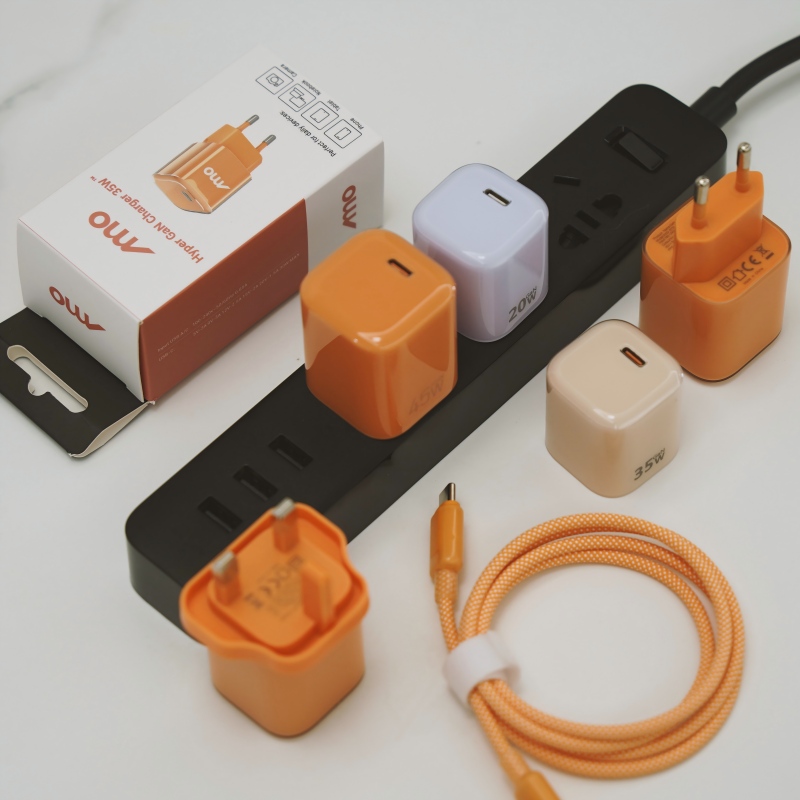
With the same two-port charger, my phone charges quickly but my partner’s takes much longer. Why?
Short answer: Each phone asks for the power it can use, and phones differ in the maximum power and the fast-charging method they support. The charger also splits its total power between the ports, and cables and battery levels differ. So the same charger can give each phone a different speed. Check each phone’s supported power and use good cables.
Phones are not the same
One phone may accept a high power and the other only a modest amount. Older or lower-cost phones often support lower charging rates, even if the charger can offer more.
Why the same charger gives different results
- Phone limit. Each phone has its own maximum charging power.
- Protocol support. The phones may use different fast-charge methods, and the charger may support one better than the other.
- Power split. When both ports are in use, the charger divides its total power, and may give one port priority.
- Cables. One cable may carry more current than the other.
- Battery level. A nearly full battery charges slowly.
- Heat. A warm phone reduces its own charging speed.
- Use. A phone being used while charging gains less.
How to check
- Look up each phone’s maximum charging power.
- Read the charger’s table for power per port with one or two devices.
- Swap cables and ports to see whether the difference follows the cable or the phone.
- Charge each phone alone and compare.
- Charge both from the same starting level, screen off.
What to expect
Both phones will charge, but not at the same rate. If one is much slower than its own maximum, look at the cable, the port and heat.
Improve the result
- Use cables rated for the phones’ power.
- Use the port that the charger gives priority, for the more demanding device.
- Keep phones cool and uncovered.
For brands
Provide a clear table of port power with one and two devices connected, and list the supported methods.
Quick summary
Phone limits, protocol support, power split and cables explain the difference. Test each phone alone.
Example comparison
Phone A supports a higher charging rate and starts at ten percent. Phone B supports a lower rate and starts at sixty percent. The same charger gives A a high rate at first and B a modest one that tapers quickly. Both are working correctly, and the difference comes from the phones, not from a fault in the charger.
Where this answer says to confirm with Wecent, the detail is not published on the product page and has to come from the datasheet or the factory. General facts come from the regulators, standards bodies or device makers named in the text.
Three more perspectives
Products discussed in this thread

Related articles & topics
Have a sourcing question about your own programme?
Ask our team More Charging speed & compatibility questions