
Talk · Use · Everyday home & office use
Can kids’ tablets use the same charger as adult phones?
Usually yes, if both use USB-C and the charger supports USB Power Delivery. The tablet takes the power it needs. Use sturdy cables, keep chargers out of reach of young children, and supervise charging in bedrooms.
 Wecent Editorial Team
Updated
3 min read
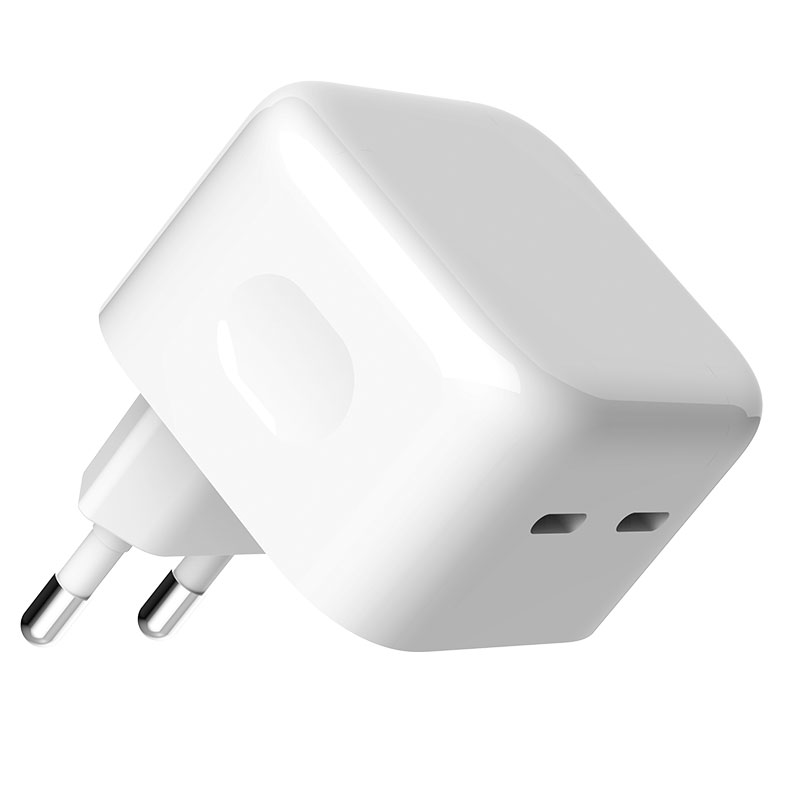
Parents ask whether their children’s tablets can use the same USB-C charger as their phones, or whether they need the tablet’s own charger. What do we tell them?
Short answer: If the tablet charges via USB-C, a quality USB-C charger used for phones will normally charge it too. The tablet and charger negotiate the power, so a higher-wattage charger won’t overload the tablet. Older or budget tablets with micro-USB or proprietary connectors need the right cable and may charge slowly. For children, choose sturdy cables, place chargers out of reach of young children, and avoid charging under pillows or bedding.
How sharing works
USB-C chargers start at a safe 5V and only increase voltage when the device asks. A kids’ tablet that charges at 10W will draw about 10W even from a 30W charger. The charger’s wattage is a maximum, not what it forces into the device.
Older devices
Some children’s tablets and toys still use micro-USB or proprietary connectors. These usually charge at 5V and can be charged from a USB-A port or a USB-C port with the right cable. Charging may be slow, and that’s normal for these devices.
Charging speed
Tablets have bigger batteries than phones, so they take longer to charge. A 20W phone charger works but may take several hours for a large tablet. A 30W or higher charger can be faster if the tablet supports it. Check the tablet maker’s specification.
Cables for children
Children pull, bend and chew cables. Choose robust cables, perhaps braided, and replace any that are frayed or have damaged connectors. A short cable reduces tripping and tangling.
Child safety tips
- Place chargers where young children can’t reach or play with them.
- Don’t let tablets charge under pillows, blankets or in beds.
- Charge on a hard surface in a shared space where possible.
- Teach older children to unplug by the plug, not the cable.
- Stop using any charger or cable that is damaged, hot or smells.
One charger for the family
A multi-port charger in a kitchen or living room can charge phones and tablets together. Check how power is shared between ports. Shared charging spots also make it easier for parents to manage screen time at night.
What to tell parents
“If your child’s tablet uses USB-C, our charger will charge it safely. Use a sturdy cable and keep the charger on a hard surface out of reach of small children.”
Confirm with Wecent the per-port output for multi-port models before recommending them for family use.
Where this answer says confirm with Wecent, the detail is not published on the product page and has to come from the datasheet or the factory. General facts come from the standards bodies, regulators or device makers named in the text.
Three more perspectives
Products discussed in this thread
Related articles & topics
Have a sourcing question about your own programme?
Ask our team More Everyday home & office use questions