
Talk · Troubleshooting · Charging speed & compatibility
Why does a tablet charge slower than a phone on the same charger?
Tablets have much bigger batteries, so the same wattage takes longer to fill them. Some tablets also accept more power than the charger provides, or are limited by cable or port sharing. Slower isn't necessarily a fault.
 Wecent Editorial Team
Updated
3 min read
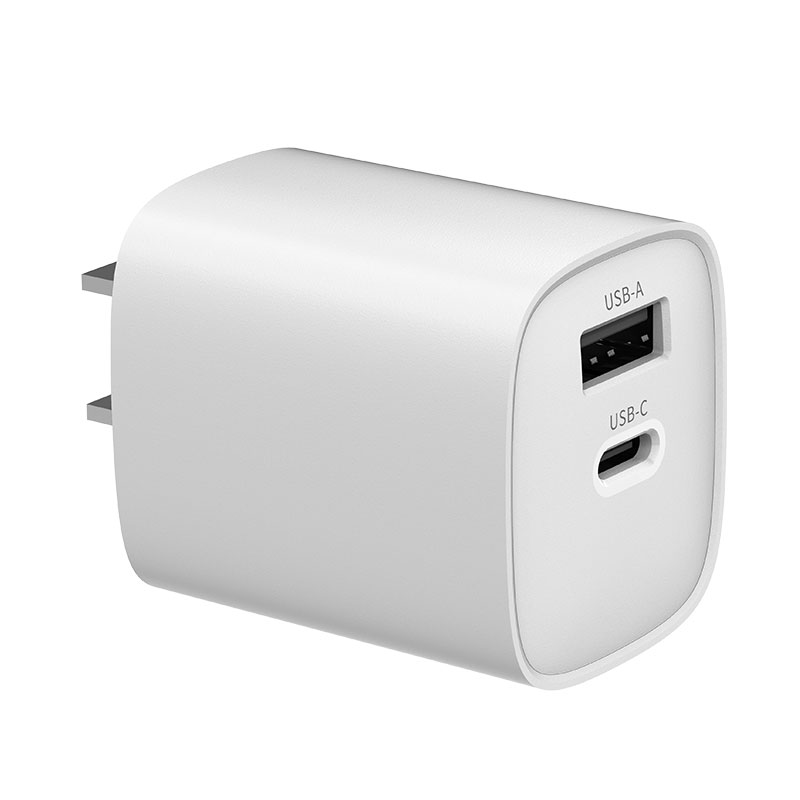
A customer says our 30W charger fills their phone in about an hour and a half but their tablet takes much longer. Is the charger weaker for tablets?
Short answer: No. Tablets have batteries often two to three times larger than phones, so they need more energy to fill. If the tablet accepts more power than the charger gives, a higher-wattage charger can help, up to the tablet’s maximum. Also check the cable, whether other devices share the charger, and whether the tablet is used while charging.
Battery size
A typical phone battery holds roughly 12–20 watt-hours; many tablets hold 25–40 watt-hours or more. At the same charging power, a tablet takes proportionally longer to fill. That alone explains most of the difference.
Maximum input
Each device has a maximum charging power. Some tablets accept 30–45W; others less. If a tablet accepts 45W and the charger gives 30W, a bigger charger shortens charging. If the tablet’s limit is lower than 30W, a bigger charger won’t help.
Other factors
- Cable: a damaged or low-quality cable limits power.
- Port sharing: on multi-port chargers, a second device reduces each port’s power.
- Use while charging: screens and apps consume power; a tablet in use charges slower.
- Heat: warm devices slow charging.
- Charging curve: all devices charge slower near full.
How to check
- Check the tablet maker’s specification for maximum charging power.
- Use only the tablet on the charger’s main USB-C port.
- Use a known-good USB-C cable.
- Charge with the screen off from a low level and time it.
When a bigger charger helps
If the tablet supports more power than the current charger, a higher-wattage charger can reduce charging time, especially in the early phase. Recommend chargers that match the tablet’s maximum rather than the biggest available.
Multi-device households and classrooms
In homes or classrooms where several tablets share a multi-port charger, each tablet gets a share of the total. Charging overnight, or using a charger with more total output, avoids slow mornings.
Explaining it to customers
“Tablets have much bigger batteries than phones, so they take longer to charge on the same charger. If your tablet supports faster charging, a higher-wattage charger will help.”
When to investigate
If the tablet charges much slower than its own specification with a matching charger and cable, or doesn’t charge at all, test with another charger and report the model and batch code.
Confirm with Wecent per-port output on multi-port models before recommending them for tablet-plus-phone use.
Where this answer says confirm with Wecent, the detail is not published on the product page and has to come from the datasheet or the factory. General facts come from the standards bodies, regulators or device makers named in the text.
Three more perspectives
Products discussed in this thread
Related articles & topics
Have a sourcing question about your own programme?
Ask our team More Charging speed & compatibility questions