
Talk · Troubleshooting · Charging speed & compatibility
Why does a phone fast-charge on one cable and crawl on another with the same charger?
The cable carries the current, and cables differ in how much they can carry.
 Wecent Editorial Team
Updated
2 min read
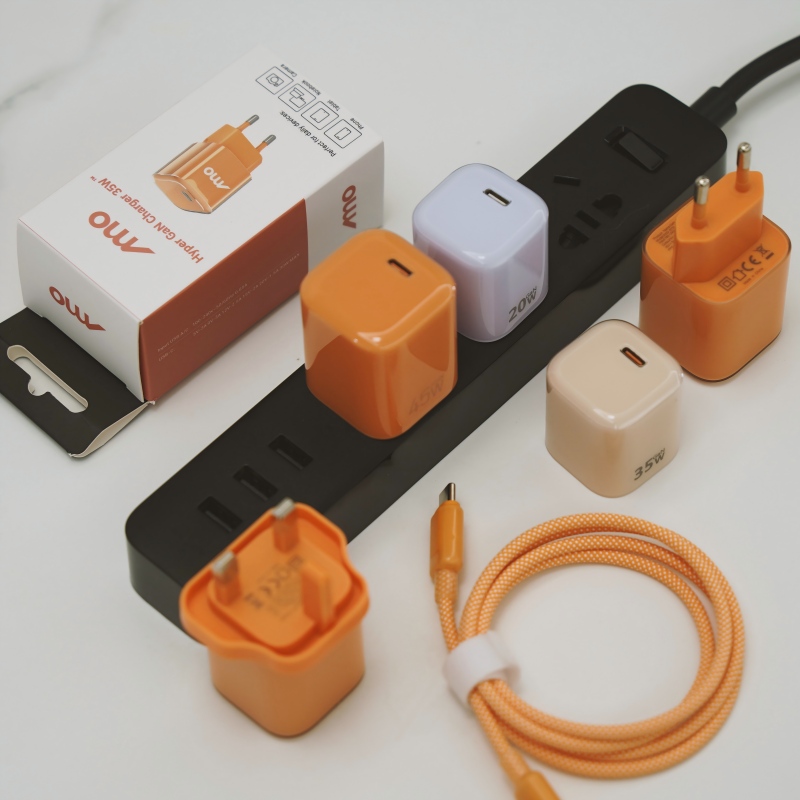
With the same charger and phone, one cable charges quickly and another is slow. Why does the cable make such a difference?
Short answer: The cable carries the current, and cables differ in how much they can carry. A thin cable, a long cable, a cable without the identification chip needed for higher power or a damaged cable limits the current, so the phone and charger fall back to a slower mode. Use a cable rated for the power you want, and replace worn ones.
What a cable has to do
A charging cable is not just a wire. It must carry current without too much voltage drop or heat, and for higher power, it must tell the charger and the phone what it can handle.
Why cables differ
- Conductor size. Thin wires have more resistance and limit current.
- Length. Longer cables lose more voltage.
- Rating. Some cables are made only for lower power. Higher-power cables must be rated for it.
- Identification chip. Cables for higher power include a small chip that reports their capability.
- Quality of connectors. Poor contacts add resistance.
- Damage. Internal breaks and wear reduce the usable current.
- Data-only or low-power cables. Some cables are made mainly for data or for slow charging.
How to check
- Look at the cable’s markings or packaging for a power rating.
- Compare with another cable of known rating on the same charger and phone.
- Use a USB power meter to see the actual voltage and current.
- Check for kinks, heat and frayed spots.
- Try a shorter cable.
Choosing a cable
- Pick a cable rated for at least the power of your charger.
- Buy from reputable brands with clear specifications.
- Prefer shorter lengths for higher power.
- Replace cables that are worn, kinked or hot.
For brands
State the cable’s maximum power on the packaging, and test it with the phones and chargers you recommend.
Quick summary
The cable can be the weakest link. Match its rating to the charger and the phone, and replace damaged ones.
A cable test you can do at home
Charge from the same low level for fifteen minutes with each cable, screen off, and compare the percentage gained. A cable that gains much less is limiting the power. Mark the good cables and keep them for fast charging, and use the others for slow overnight charging.
Where this answer says to confirm with Wecent, the detail is not published on the product page and has to come from the datasheet or the factory. General facts come from the regulators, standards bodies or device makers named in the text.
Three more perspectives
Products discussed in this thread

Related articles & topics
Have a sourcing question about your own programme?
Ask our team More Charging speed & compatibility questions