
Stock, warehouse & retail handling: buyer questions
Storing, checking and handling charger stock in warehouses, stores and returns flows.
-
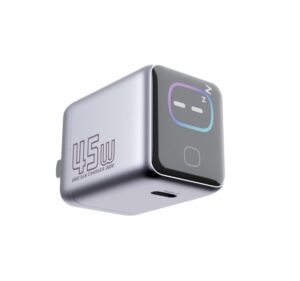
 How should chargers be stored in an unheated warehouse in winter?
Check the storage temperature range on the product or from the factory, keep cartons off the floor and away from walls, keep power banks and other battery products within their limits, and let cold stock warm up slowly in its packaging before opening to avoid condensation.
-
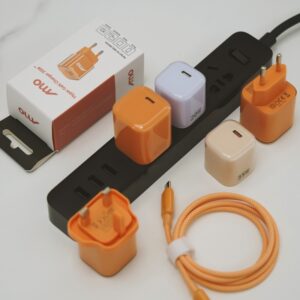
 How do we keep a golden sample library useful over several years?
Give every sample a unique ID, record the model, revision, date, approval and what it is the reference for, store it in controlled conditions and re-check it on a schedule.
-
How should a distributor keep a log of batch-level complaints?
Use one log, with one row per complaint, and record the model, batch or date code, quantity, issue category, severity, date, the customer, the evidence and the outcome.
-
How do we label stock that has failed an incoming check?
Mark the stock clearly as on hold, move it to a separate marked area, record the lot, the reason and the date, and block it in the system so it cannot be picked.
-
How often should a retained sample from each batch be re-tested?
There is no single rule.
-
How should unsold charger stock be re-labelled when market rules change?
First confirm exactly what the new rule requires and whether it applies to stock already in your hands.
-
How should batch codes be recorded in a warehouse system?
Capture the batch code at receipt by scanning or typing it, store it as a field on every stock record, make picking and shipping record the batch that leaves and keep it linked to orders and customers.
-
How should incoming charger cartons be inspected on arrival at a distributor’s warehouse?
Check the paperwork, the count and the outside condition first, then open a sample of cartons to check labels, plugs and function against the purchase order and approved sample.
-
How do we sample a pallet for visual defects without opening every carton?
Use a sampling plan: choose cartons from different positions across the pallet, open them, inspect units against a written defect list and compare the count with the allowed limit.
-
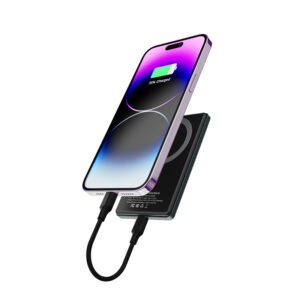 How should power banks and chargers be stored together or separately in a warehouse?
Treat power banks as lithium-battery goods and store them with more care than plain chargers.
-
How high can charger cartons be stacked on a pallet?
The limit depends on the carton's compression strength, the weight above it, how long the pallet is stored, humidity and the handling system.
-
How should a distributor document refurbished chargers so they are not sold as new?
Separate refurbished stock physically and in your system from the start.
-
 How should charger stock be rotated by date code?
Ship the oldest production first, record the date code on every carton at receiving, and keep batches separate so a quality problem can be traced to the shelf it sits on.
-
How can we keep matte charger shells looking good on display?
Matte finishes show fingerprints and shiny wear spots. Clean them gently with a dry or slightly damp microfibre cloth, avoid solvents and abrasive cleaners, and rotate display units before they look tired.
-
How should we store chargers to protect them from static and dust?
Keep chargers in their sealed retail packaging, in clean, dry storage away from heavy dust sources. Handle loose units at a workstation with suitable anti-static practice if you open or inspect them, and reseal packs after inspection.
-
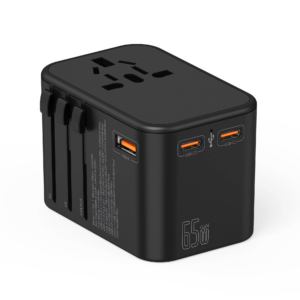 How should travel retail staff check display-model chargers?
Display chargers are handled all day. A daily check of housings, pins, plug heads, cables and security tethers, a quick function test where the display is powered, and prompt removal of damaged units keep displays safe and sellable.
-
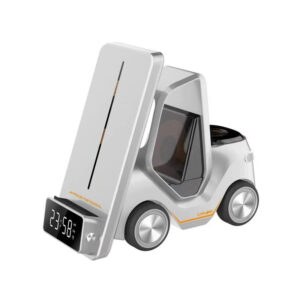 How often should a shared charging station be cleaned in a clinic or lab?
Follow the facility's own infection-control or cleaning schedule; chargers usually fall under frequently touched surfaces. Clean only when unplugged, with methods compatible with electronics, and never spray liquids directly onto chargers.
-
What should an IT team log when it issues chargers to staff?
Record the asset or batch identifier, model, date, recipient, accessories issued, condition and the return or replacement date. A simple log makes warranty claims, replacements and batch issues easy to handle.
-
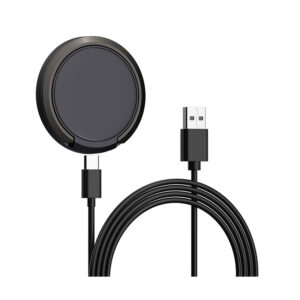 How should we store wireless chargers with magnets near other stock?
Keep magnetic chargers in their boxes, away from items that magnets can affect, such as cards with magnetic stripes, some sensors and loose metal parts. Avoid stacking them face to face and keep the area clean of metal debris.
-
How should events staff care for loaned chargers?
Check chargers out and in, inspect them before and after each event, clean them, manage cables and plug heads, and remove damaged units. Simple labelling and a log prevent most losses.
-
 How do we handle charger packaging that got damp in transit?
Quarantine the affected cartons, document the damage, inspect samples for moisture inside the retail box and on products, dry and repack only what is clearly unaffected, and file a claim. Never sell chargers that may have been wet.
-
 How should hotels inspect in-room wireless chargers?
Add a quick check to housekeeping: visible damage, cable and adapter in place, surface clean and free of debris, indicator working with a test phone. Remove anything damaged and keep a simple log per room.
-
How long can a charger sit on a shelf before it should be rechecked?
Chargers without batteries tolerate storage well if kept dry and cool, but long-stored stock should get a visual and sample function check before sale. Products with batteries need periodic charge checks.
-
What preventive checks suit shared office charging stations?
A short weekly visual check, a monthly function test and an immediate removal rule for damaged units keep shared stations safe and working. Log what you find so problems don't repeat.
-
How do we dispose of end-of-life chargers in the EU?
Chargers are electrical and electronic equipment under the WEEE Directive: they go to separate e-waste collection, not general waste. Businesses that place chargers on an EU market also carry producer obligations in each country.
-
How should returned chargers be checked before resale?
Sort returns by reason, visually inspect, test function and basic safety, check accessories and packaging, and only resell as new if it is truly unused and sealed. Anything doubtful should be refurbished-labelled or scrapped.
-
How do we care for a smart-screen charger’s display?
Clean the display with a dry or barely damp soft cloth after unplugging, avoid solvents and pressure, keep it out of direct sun, and report a display that stays blank or shows garbled readings.
-
How should we store charger stock in a warehouse for up to 12 months?
Keep cartons sealed, dry, off the floor and away from heat. Rotate stock first-in first-out, and recheck samples before shipping old stock.
-
How do we check chargers for wear before reissuing them to staff?
A five-minute check of housing, pins, ports, cable and a test charge catches nearly all worn units. Log the result so patterns show up.