
Talk · Maintenance · Stock, warehouse & retail handling
How often should a shared charging station be cleaned in a clinic or lab?
Follow the facility's own infection-control or cleaning schedule; chargers usually fall under frequently touched surfaces. Clean only when unplugged, with methods compatible with electronics, and never spray liquids directly onto chargers.
 Wecent Editorial Team
Updated
2 min read
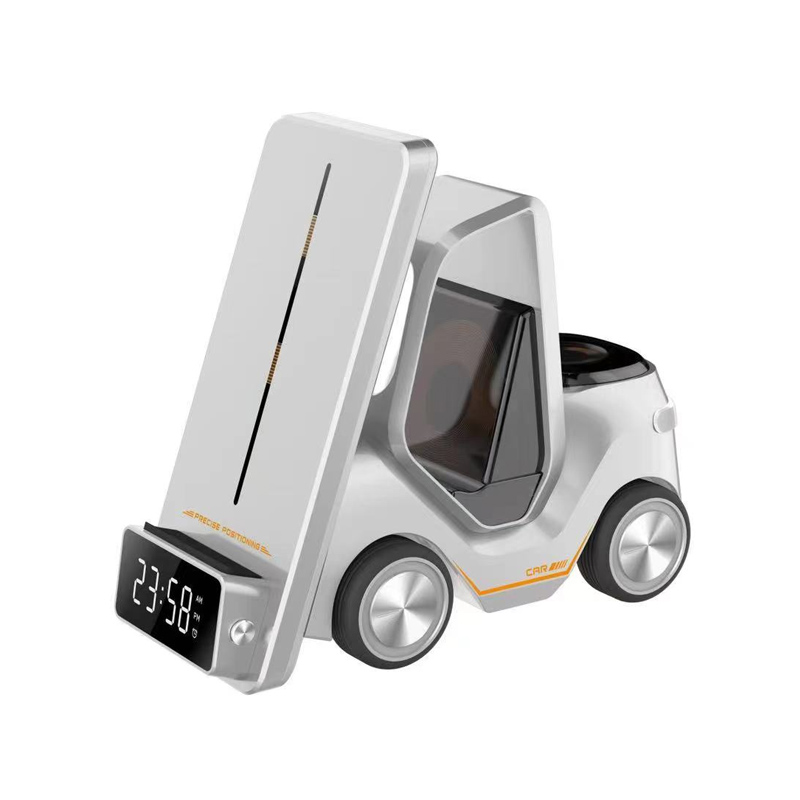
A clinic wants to put a multi-device charging station in its staff room and waiting area. How often should it be cleaned, and how?
Short answer: Frequency should follow the clinic’s own infection-control policy; shared chargers are usually treated like other frequently touched surfaces, often cleaned daily or more in waiting areas. Clean only after unplugging, with a cloth lightly dampened with a cleaner that the facility approves for electronics. Never spray liquid directly on the station, keep liquid out of ports and vents, and let it dry before reconnecting.
Who sets the frequency
Clinics and labs have infection-control or hygiene policies. Shared chargers in waiting rooms and staff areas are touched by many people, so they usually belong with frequently touched surfaces. Follow that schedule rather than a generic rule.
Safe cleaning steps
- Unplug the station from the wall and disconnect devices.
- Apply cleaner to a cloth, not to the station.
- Wipe surfaces, avoiding ports and vents.
- Use a dry brush for ports if needed.
- Allow the station to dry completely before reconnecting.
Cleaner compatibility
Some disinfectants can damage plastics or coatings over time, causing clouding or cracking. Ask Wecent which cleaning agents are suitable for the housing material, and test on a small area. Avoid soaking and spraying.
Cables
Cables are touched most. Wipe them as part of cleaning. Replace cables that become sticky, cracked or discoloured.
Inspection during cleaning
Cleaning is a good moment to check for damage: cracked housings, frayed cables, heat marks. Remove damaged items and report them.
Placement
Place stations away from sinks and areas where liquids are used. In labs, keep stations away from chemicals and wet areas.
Waiting areas
In waiting areas, visitors use their own cables or built-in cables. Built-in cables are touched by more people and need cleaning more often; consider stations where visitors use their own cables. Signs asking visitors not to unplug the station help keep it working.
Records
Add the station to the cleaning log so staff can see when it was last cleaned.
Medical equipment
Consumer charging stations aren’t medical devices. Don’t use them to charge medical equipment unless the device maker approves it. Keep them in staff and waiting areas.
What to confirm
Confirm with Wecent the housing material and suitable cleaners. Provide the clinic with cleaning guidance consistent with the manual.
Where this answer says confirm with Wecent, the detail is not published on the product page and has to come from the datasheet or the factory. General facts come from the standards bodies, regulators or device makers named in the text.
Three more perspectives
Products discussed in this thread
Related articles & topics
Have a sourcing question about your own programme?
Ask our team More Stock, warehouse & retail handling questions