
Talk · Maintenance · Stock, warehouse & retail handling
How do we keep a golden sample library useful over several years?
Give every sample a unique ID, record the model, revision, date, approval and what it is the reference for, store it in controlled conditions and re-check it on a schedule.
 Wecent Editorial Team
Updated
3 min read
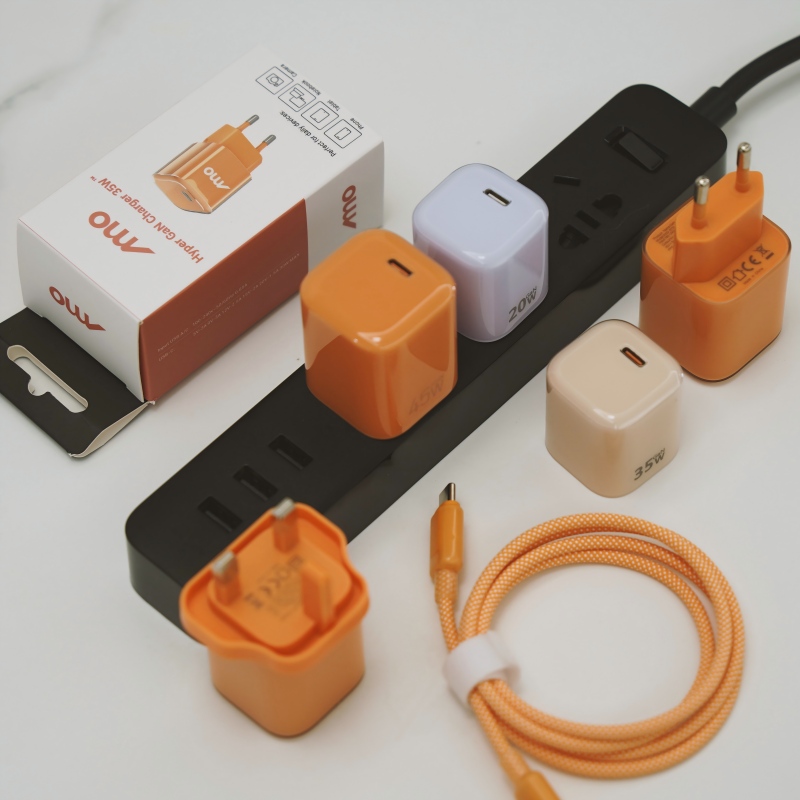
We keep golden samples for each model, but the shelf is getting messy. How do we keep the library useful over several years?
Short answer: Give every sample a unique ID, record the model, revision, date, approval and what it is the reference for, store it in controlled conditions and re-check it on a schedule. Keep a register, limit access, retire old versions deliberately and keep photos and test data so that the sample can be compared with later production.
What a golden sample is
A golden sample is an approved unit that serves as the reference for appearance, function and quality. Production, incoming checks and disputes are compared against it.
Why libraries go wrong
Samples get unlabelled, moved, lent out, used for tests and damaged, and nobody knows which version they represent. After a few years the library causes more confusion than help.
How to keep it useful
- Unique ID. Label each sample with an ID that links to the register.
- Register. Record model, revision, bill of materials version, date approved, approver, what it represents and where it is kept.
- Photos and data. Keep photos and the test sheet with the same ID.
- Duplicates. Keep at least two: one in the library, one for working use, and consider a third with the factory.
- Storage. A cool, dry, dark place, in anti-static packaging where needed, away from direct sunlight and heat.
- Access control. One responsible person, a sign-out sheet and clear rules.
- Scheduled checks. Inspect each sample every six to twelve months for ageing, discolouration and damage, and record the result.
- Version control. When a design changes, create a new golden sample and mark the old one as superseded, not delete it.
- Retirement. Keep samples for at least the warranty period or longer as policy requires, then decide on disposal.
- Disposal rules. Batteries and electronics should be recycled properly.
Using it in practice
Use the sample for training inspectors, for comparing incoming parts, for settling disputes and for checking new batches. Do not use the library sample for destructive tests.
Review annually
Once a year, check the register against the shelf. Remove duplicates, add missing items and update the records.
Quick summary
ID, register, storage, access, scheduled checks and version control keep the library useful.
Example register line
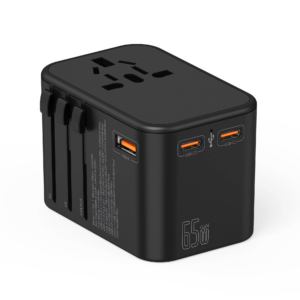
“GS-0042, model 65W-2C, revision C, approved 12 March by quality manager, reference for appearance and output tests, kept on shelf B3, last checked in September, condition good, duplicate GS-0043 at the factory.” A line like this tells anyone what the sample is and where it is, years later.
Where this answer says to confirm with Wecent, the detail is not published on the product page and has to come from the datasheet or the factory. General facts come from the regulators, standards bodies or device makers named in the text.
Three more perspectives
Products discussed in this thread
Related articles & topics
Have a sourcing question about your own programme?
Ask our team More Stock, warehouse & retail handling questions