
Adoption of the power delivery specification changes a charger programme in three places: the profile set it has to support, the cable it has to supply and the test positions it has to run. None of them is a wattage question.
This guide is part of our GaN Charger Technology. Read the full topic guide for the decisions that come before and after this step.
USB PD adoption: what changes
The profile set, the cable requirement, the test positions and the accessory list.
Each change follows from devices negotiating rather than accepting a maximum, and each is a specification line rather than a marketing figure. Planning them together is what keeps a programme comparable across platforms.
Change 1: the profile set
Support becomes a list rather than a level.
Devices ask for the profiles they use, and a charger that supports fewer delivers less to that device. The specification states the profiles implemented and the level delivered under each, and the packaging wording follows the same list.
Change 2: the cable
The accessory becomes part of the claim.
Higher tiers require a cable rated and marked for them, and a charger shipped with an inadequate cable delivers less than its claim. The accessory decision therefore belongs with the specification rather than with the packaging.
Change 3: the test positions
Every supported profile is a position.
Characterisation covers the whole matrix, and the production test covers the positions that can vary between units, with the rest verified on a sample. The plan states which is which, with the limits derived from the measured data.
Change 4: the accessory list
The box contents follow the claim.
Where the claim refers to the highest tier, the box either includes a cable that reaches it or states the requirement on the packaging. The two options differ in cost and in the number of support queries they generate.
| Change | What it affects | Evidence | Common gap |
|---|---|---|---|
| Profile set | Delivered level per device | The negotiated profile list | A wattage claim without profiles |
| Cable | Whether the top tier is reachable | The accessory rating | An unmarked cable |
| Test positions | The characterisation matrix | The plan with its limits | A single-point test |
| Accessory list | The claim and the box | The packaging wording | A claim the cable cannot reach |
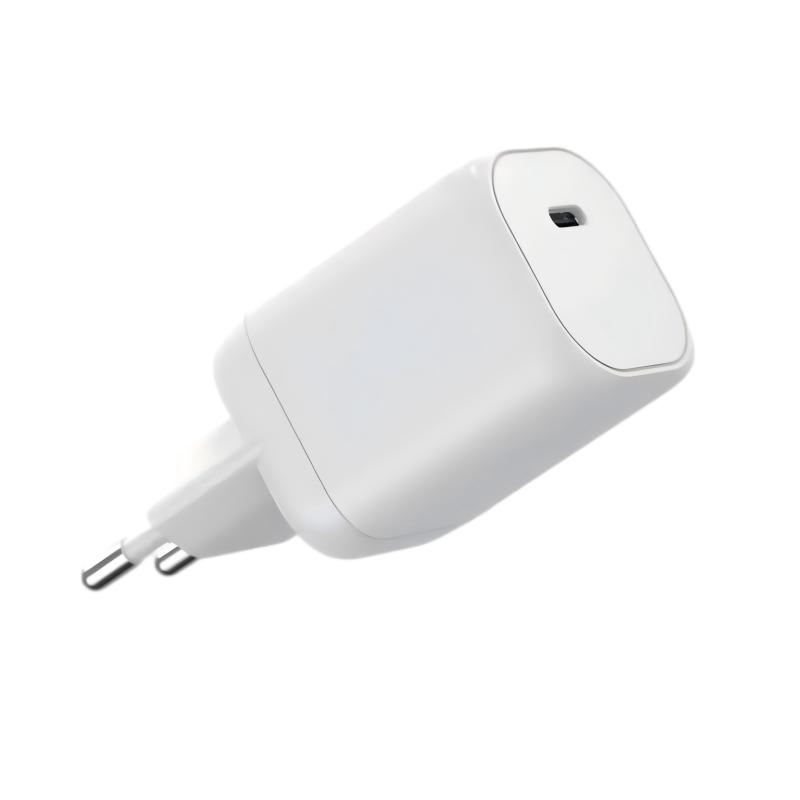
What adoption means for a platform
Three platform questions.
Which profiles the platform firmware implements; whether the connector and the cable supplied reach the top tier; and whether the thermal position holds at that tier in the shipping enclosure. A platform that answers all three can carry the claim.
Where programmes mismatch adoption
Three patterns, and each is a specification gap.
A claim based on the highest tier with a cable that cannot deliver it; a profile supported in firmware and never verified in production; and a thermal result measured at a mid-tier load. Each is settled in the specification and not at the sample.

Decisions worth taking now
Three, and each reduces a later change.
Specify the profile and the level for the device list rather than a headline figure; set the accessory rating with the specification; and record the thermal result at the top tier in the shipping enclosure, because that is the number the claim depends on.
What the buyer should hold
The negotiated profile list for the device range, the accessory rating, the characterisation matrix and the production test positions with their limits. Four documents answer the questions a channel will ask about the claim.
Where adoption changes a claim
A claim that names the top tier implies an accessory and a thermal result that reach it. Where either is missing, the wording is corrected rather than the product, and the correction is cheapest before the packaging is printed.
What a supplier should be able to show
The negotiated profile list for the device range, the measured behaviour across those profiles, the accessory rating and the production test positions with their limits. A supplier able to show all four is describing a specification rather than a capability.
What adoption changes in the accessory
The specification work moves to the accessory as the tier rises. A charger claiming the top mode is making a statement about the cable, the connector and the thermal path, and each of the three has to reach the mode rather than the package as a whole.
That is why the profile list on the pack and the cable in the box are decided together. A claim naming a mode the supplied cable cannot carry is corrected at the first review, and the correction is cheaper before the packaging print than after it.
The second consequence is in production. The positions that can vary between units are tested on every unit and the remainder on a sample from characterisation, and the plan states which is which.
A programme that settles the accessory, the claim and the test plan together reaches the market with the three consistent, which is what a retailer checks first.
FAQ
Does adoption change the hardware?
It can, because the connector, the cable and the thermal path all have to reach the top tier the product claims. The power stage may be unchanged while the accessory and the thermal evidence are not. The power stage is often unchanged while the accessory and the thermal evidence are not, which is why the work concentrates in the cable, the connector and the measurement rather than in the switching design.
Is a higher wattage enough?
No. A device negotiates the profiles it uses, so a charger that does not support them delivers less than its rating. The profile list is the specification item. That is why the profile list belongs on the pack and in the file, and why a comparison between two chargers of the same wattage is decided by the profiles rather than by the number printed on the box.
What has to be verified in production?
The positions that can vary between units, with the remainder verified on a sample from characterisation, and the plan states which is which with the limits behind them. The plan states which positions are tested on every unit and which are verified on a sample from characterisation, with the limits behind each, so the outgoing inspection and the design evidence stay consistent.
Should the cable ship in the box?
Where the claim refers to the top tier, the box either includes a cable that reaches it or the packaging states the requirement. Either way the wording and the accessory agree. Where the top tier is claimed, either the cable reaches it or the packaging states the requirement, and the wording and the accessory agree with the profile list. The comparison is made at the review, not after the print.
Next step
Send the device list, the required profiles and the markets to Wecent Group through the contact page. The reply states the profile position, the accessory rating, the test positions and the thermal result at the top tier. Related reading: GaN charger applications, OEM and ODM charger manufacturing and charger quality control. External references: USB Power Delivery specification, USB-IF documentation, USB-IF compliance programme, IEC standards, EU energy-efficient products and UL standards and certification.