
Talk · Maintenance · Stock, warehouse & retail handling
How do we label stock that has failed an incoming check?
Mark the stock clearly as on hold, move it to a separate marked area, record the lot, the reason and the date, and block it in the system so it cannot be picked.
 Wecent Editorial Team
Updated
2 min read
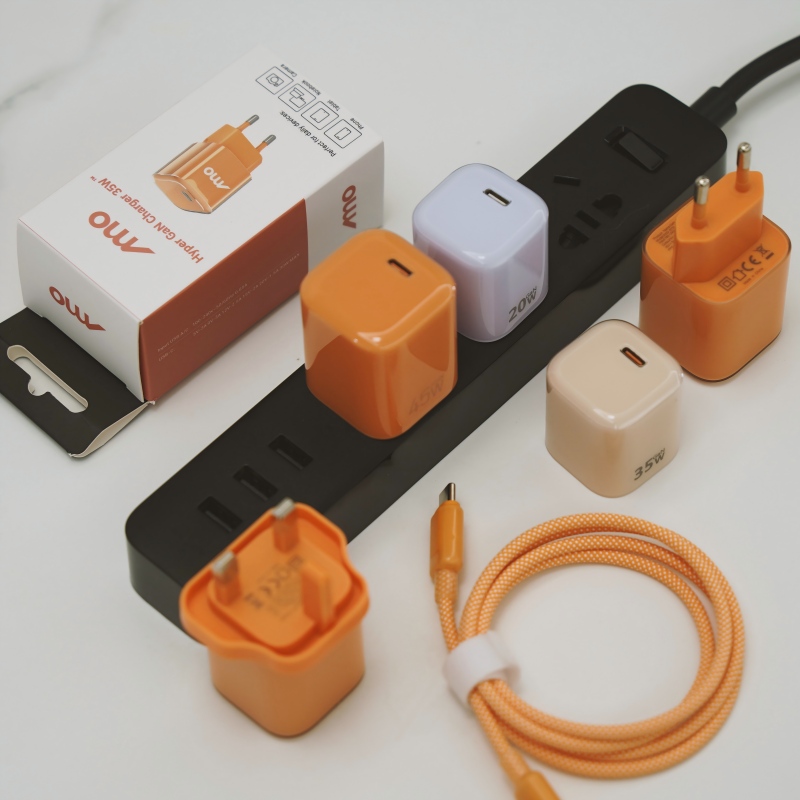
We found a pallet of chargers that failed incoming inspection. How should we label and handle it so that it does not get shipped by mistake?
Short answer: Mark the stock clearly as on hold, move it to a separate marked area, record the lot, the reason and the date, and block it in the system so it cannot be picked. Tell the supplier, and decide on return, rework, sorting or scrap. Only release it after a written decision and re-inspection.
Why labelling matters
The biggest risk with failed stock is not the failure itself but a mix-up: a pallet that is picked and shipped by mistake. Clear labels and separation prevent this.
Steps
- Stop movement. Do not put the stock into normal storage.
- Label every pallet and carton with a bright, hard-to-miss tag: “ON HOLD” or “QUARANTINE”, with the date, lot and reason.
- Move it to a separate, marked area, ideally locked or taped off.
- Block it in the system. Set the stock status so it cannot be allocated or picked.
- Record the details. Product, lot, quantity, supplier, the check that failed, the measurements, photos and who found it.
- Notify the supplier in writing, with the evidence.
- Decide the disposition: return to supplier, sort and rework, use after a concession, or scrap.
- Get approval from the person responsible for quality.
- Re-inspect anything that is reworked or sorted before releasing.
- Change the label only after a documented release.
Label contents
- Status (hold, rejected, released).
- Product and model.
- Lot or batch number.
- Quantity.
- Reason code.
- Date and name of inspector.
Colour system
A simple colour code helps: for example red tags for rejected, yellow for hold and green for released. Make sure everyone knows the system.
After the event
Review why the check was failed, and agree on corrective actions with the supplier. Update your incoming inspection plan if needed.
Do not forget
Check whether any stock from the same lot is already in other warehouses or shipped to customers, and if so, evaluate the need for action.
Quick summary
Label, separate, block in the system, record and decide in writing.
Example tag text
“ON HOLD. Model: [model]. Lot: [lot]. Qty: [qty]. Reason: label print fault. Date: [date]. Inspector: [name]. Do not ship or move without written release.” A clear tag like this, on two sides of the pallet, makes the status obvious to anyone passing, including temporary staff and drivers.
Where this answer says to confirm with Wecent, the detail is not published on the product page and has to come from the datasheet or the factory. General facts come from the regulators, standards bodies or device makers named in the text.
Three more perspectives
Products discussed in this thread
Related articles & topics
Have a sourcing question about your own programme?
Ask our team More Stock, warehouse & retail handling questions