
One late artwork revision costs a print plate, a second packaging proof and about a week. Everything else on a rebranding programme can be corrected with an email, which is why the four gates below exist and why each of them closes with a record rather than a nod.
Charger rebranding approval gates: four records, four decisions
Four gates close a rebranding programme: artwork, label content, the branded physical sample and the packaging proof.
Each gate has one decision, one record and one person who signs it. The record is what makes the gate real; without it, approval becomes a conversation remembered differently by the brand, the factory and the printer.
The reason this matters more on a rebranding programme than on a design programme is the number of parties involved. The brand approves the mark, the factory applies it, the printer produces the carton and the test house reads the label. Four parties, four interpretations, and a version number is the only artefact all of them can share.
Gate 1: the artwork and the print method
Approve the artwork together with the process that will reproduce it.
The same file behaves differently on a pad print, a laser etch and an offset carton, so approving artwork without the method is how a colour that looks correct on screen turns out different on a matte housing. The record is the artwork file with its revision number, the named print method, the substrate and a physical reference the brand has actually seen.
Gate 2: label content and the certification marking
The label is the one element that cannot be revised without consequences.
Model designation, electrical ratings, the certification marking and the market-specific text have to be present and legible on the finished product, and the brand’s name has to appear where the technical file places it. Freeze this text before the plates are cut. A single line changed afterwards reopens the plate, the packaging proof and, in some markets, the technical file itself.
Gate 3: the branded physical sample
Colour, finish and mark position are approved on an object, never on a screen.
The branded sample also confirms that the mark sits where the artwork intended after moulding, printing and assembly, because shrink, curvature and surface finish each move a mark by a fraction of a millimetre. The record is a signed sample retained as the reference, with its artwork revision attached to it rather than remembered.
Gate 4: the packaging proof and the version record
Approve an assembled carton, not a flat artwork.
The insert, the accessories, the language versions and the print interact in three dimensions, and the carton dimensions feed the pallet pattern and the container load. The record is the assembled proof plus a version table listing the artwork revision, the label revision and the packaging revision together. That table is what the production line follows when the three documents disagree.
| Gate | What is checked | Record produced | What reopens it |
|---|---|---|---|
| 1 Artwork | Mark, colour and reproduction method | Artwork file, revision number, print method | A change of method or substrate |
| 2 Label content | Ratings, certification marking, market text | Frozen label text and layout | A change to any label line |
| 3 Branded sample | Colour, finish, mark position on the object | Signed retained sample | A rejected colour or placement |
| 4 Packaging proof | Carton, insert, languages, accessories | Assembled proof and version table | A language, insert or carton change |
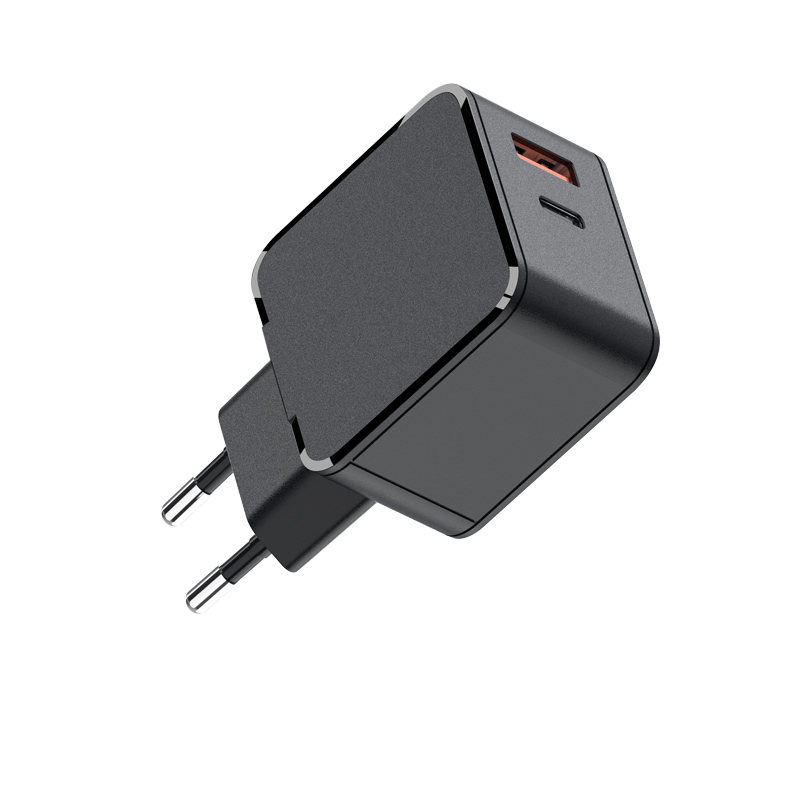
Version control: the discipline behind the gates
One revision number per asset, referenced everywhere.
A version table works when it is the only place a decision is recorded. Emails, chat messages and annotated PDFs are inputs to a revision, not records of one. When two documents disagree, the version table wins, and the practical test is whether the factory, the printer and the test house would all arrive at the same revision if asked on the same day.
Who signs, and what the signature commits to
A signature commits the brand to a version, not to a preference.
Name the person who signs each gate and state what the signature covers. On the brand side, marketing usually owns the mark and the packaging while the technical owner signs the label content. A gate signed by someone who owns neither is an approval that will be revisited, and the cost of revisiting it is measured in print plates. Where a programme spans two companies, the same person should sign the same gate for every reorder.
FAQ
How many approval rounds should a rebranding programme have?
Four, one per gate, plus a reorder check that confirms the version table is unchanged. Rounds beyond that usually mean a decision was taken without the right person in the room, and each extra round pushes the print setup later. Four rounds, one per gate, plus a reorder check that confirms the version table is unchanged, is what the programme needs.
Can the artwork be changed after the sample is approved?
It can, and it reopens gates one, three and four together. If the change touches the label text, gate two reopens as well. The cost is the print plate, a new packaging proof and the days needed to rebuild and re-approve both. A change reopens gates one, three and four together, and if it touches the label text gate two reopens as well, at the cost of a plate and a new proof.
Who owns the artwork files at the end of the programme?
The brand should. Confirm that the production files, the print method specification and the colour references are handed over in an editable and a production-ready format, and that the factory keeps a copy only for reorders. The brand should own them, so confirm that the production files, the print method specification and the colour references are handed over in both an editable and a production-ready format.
Does a rebranding programme need new certification?
Not if the electrical design, the enclosure and the tested parameters are unchanged. The technical file is updated so that the brand appears as the responsible party and the label matches the marked product. Any change to a characterised parameter moves the programme onto a review or a new submission. Not if the electrical design, the enclosure and the tested parameters are unchanged, and the file is updated so the brand appears as the responsible party.
Next step
Send the artwork, the intended print method, the label text and the target markets to Wecent Group through the contact page. The reply lists which gates apply to that configuration, what each gate produces as a record and which decisions have to be frozen before the plates are cut. Related reading: OEM and ODM charger manufacturing, charger manufacturing services and the factory floor. External references: USB-IF documentation, IEC publications, EU CE marking rules, UL standards and certification, TUV testing services and UK Office for Product Safety and Standards.
{“@context”:”https://schema.org”,”@type”:”FAQPage”,”mainEntity”:[{“@type”:”Question”,”name”:”How many approval rounds should a rebranding programme have?”,”acceptedAnswer”:{“@type”:”Answer”,”text”:”Four, one per gate, plus a reorder check that confirms the version table is unchanged. Rounds beyond that usually mean a decision was taken without the right person in the room, and each extra round pushes the print setup later.”}},{“@type”:”Question”,”name”:”Can the artwork be changed after the sample is approved?”,”acceptedAnswer”:{“@type”:”Answer”,”text”:”It can, and it reopens gates one, three and four together. If the change touches the label text, gate two reopens as well. The cost is the print plate, a new packaging proof and the days needed to rebuild and re-approve both.”}},{“@type”:”Question”,”name”:”Who owns the artwork files at the end of the programme?”,”acceptedAnswer”:{“@type”:”Answer”,”text”:”The brand should. Confirm that the production files, the print method specification and the colour references are handed over in an editable and a production-ready format, and that the factory keeps a copy only for reorders.”}},{“@type”:”Question”,”name”:”Does a rebranding programme need new certification?”,”acceptedAnswer”:{“@type”:”Answer”,”text”:”Not if the electrical design, the enclosure and the tested parameters are unchanged. The technical file is updated so that the brand appears as the responsible party and the label matches the marked product. Any change to a characterised parameter moves the programme onto a review or a new submission.”}}]}