
Talk · Maintenance · Stock, warehouse & retail handling
How do we dispose of end-of-life chargers in the EU?
Chargers are electrical and electronic equipment under the WEEE Directive: they go to separate e-waste collection, not general waste. Businesses that place chargers on an EU market also carry producer obligations in each country.
 Wecent Editorial Team
Updated
3 min read
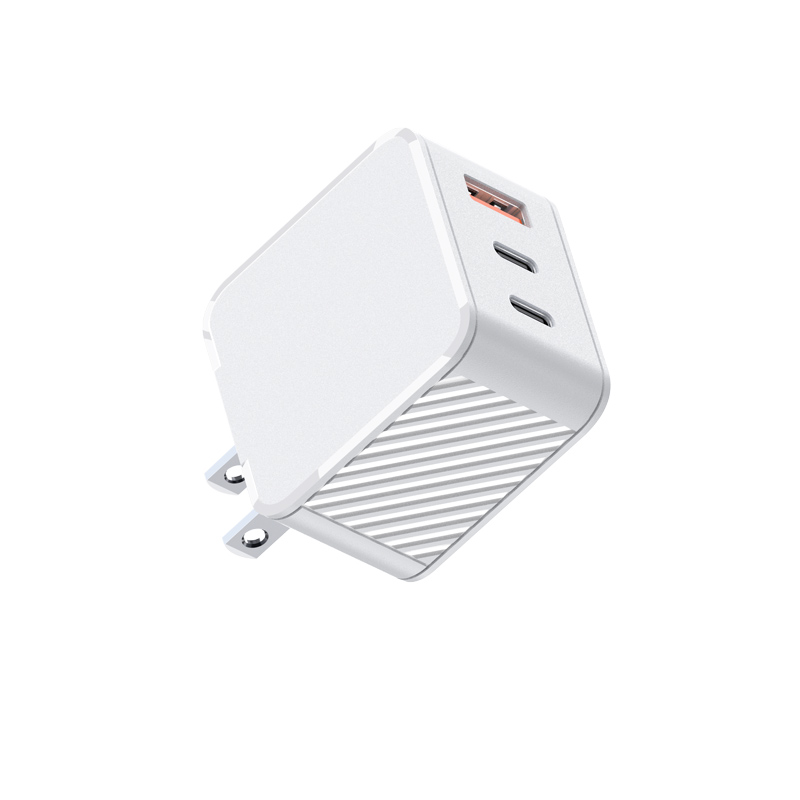
We have boxes of failed and returned chargers in our EU warehouse, and customers ask what to do with old chargers. What’s the right way to dispose of them?
Short answer: Chargers are covered by the EU WEEE Directive (2012/19/EU). They must go to separate collection for electrical waste, not household or general waste. Businesses should use a licensed e-waste handler or the producer compliance scheme they belong to. Consumers can return them to municipal collection points or, in many countries, to retailers that sell electrical goods. Producer registration rules differ by country; confirm your obligations locally.
The basic rule
Under Directive 2012/19/EU, waste electrical and electronic equipment must be collected separately and treated by authorised facilities. Chargers, power supplies, wireless pads and cables all fall under this. The crossed-out wheeled bin symbol on the product or packaging tells users not to put it in household waste.
For your warehouse
- Keep failed, damaged and scrapped chargers in a labelled e-waste container, separate from resaleable stock.
- Record quantities and batch codes, especially for units returned for safety reasons.
- Hand them to a licensed WEEE handler or via your compliance scheme, and keep the transfer documents.
- Remove or separate any batteries if a product contains one (for example a power bank), as batteries follow separate battery rules.
Producer obligations
If you place chargers on the market in an EU country under your brand, or import them, you are usually considered a producer under WEEE in that country. Typical duties include registration with the national register, reporting quantities placed on the market, and financing collection and recycling, often through a compliance scheme. Non-EU sellers selling directly to consumers may need an authorised representative in each country. Each member state implements this differently, so check the national rules or a compliance scheme for every market you sell in.
Telling customers
- Include the crossed-out bin symbol and a short disposal note on packaging or the manual.
- Explain that old chargers can be returned to e-waste collection points and, in many countries, to electrical retailers.
- Remind them not to put damaged chargers in household bins.
Safety before disposal
Damaged chargers are generally safe to store when unplugged, but power banks with swollen or damaged batteries are a fire risk. Store those separately, away from flammable materials, and follow the handler’s instructions for damaged batteries.
Reduce waste first
Retire only what can’t be used. Cables and plug heads can often be reused, and graded returns can be resold where marketplace rules allow. Sharing failure data with Wecent helps reduce defects in future batches.
This is a summary. For your specific obligations, see the national WEEE register in each country and confirm with your compliance scheme.
Where this answer says confirm with Wecent, the detail is not published on the product page and has to come from the datasheet or the factory. General facts come from the standards bodies, regulators or device makers named in the text.
Three more perspectives
Products discussed in this thread

Related articles & topics
Have a sourcing question about your own programme?
Ask our team More Stock, warehouse & retail handling questions