
The label is the one part of the compliance file a customer, a retailer and a customs officer can all inspect. Its content is set by the requirements rather than by the layout, and the artwork revision is what ties it to the file.
This guide is part of our Charger Export & Market Entry. Read the full topic guide for the decisions that come before and after this step.
Charger labelling requirements: the five elements
The model designation, the electrical ratings, the required markings, the responsible party and the language duties.
The five appear on the product, and where the panel is too small for the full text, the market’s rules say which elements may move to the packaging or the instructions. The artwork revision records the decision.
Element 1: the model designation
The identifier that ties the unit to the file.
The designation appears on the product and in the technical file, and where a brand uses its own model number the mapping to the platform revision is recorded. A designation that differs between the label and the certificate is the mismatch most often found in a review.
Element 2: the electrical ratings
Input, output and the profile set where relevant.
The input range, the output figures and, for multi-port products, the per-port and total ratings appear as the market requires. Where the product delivers different levels under different conditions, the labelling states the condition rather than only the maximum.
Element 3: the required markings
The mark, the disposal marking and any market-specific symbol.
The manufacturing mark, the disposal marking and the certifications that apply each have their own presentation rules, including size and legibility. The marking is applied according to the rule rather than placed for appearance, and the position is part of the artwork revision.
Element 4: the responsible party
Whose name appears, and where.
The party responsible for the product in the market is named on the product or, where the rules allow, on the packaging. The name has to match the file and the distribution arrangement, because a mismatch is a documentary problem rather than a printing one.
Element 5: the language duties
Which text, in which language, and where.
Consumer-facing safety information is provided in the language the market expects, and multi-market packs carry several languages in one revision. Where the panel cannot hold the text, the rules determine what moves to the leaflet.
| Element | What it states | Where it appears | Common gap |
|---|---|---|---|
| Model designation | The identifier for the file | The product and the file | A different number on the label |
| Ratings | Input, output and conditions | The product label | Only the maximum figure |
| Markings | Mark, disposal, certifications | The product or the pack | A marking placed for appearance |
| Responsible party | Whose name answers for it | The product or the pack | A name that differs from the file |
| Languages | Safety information | The leaflet or the pack | A single-language pack for several markets |
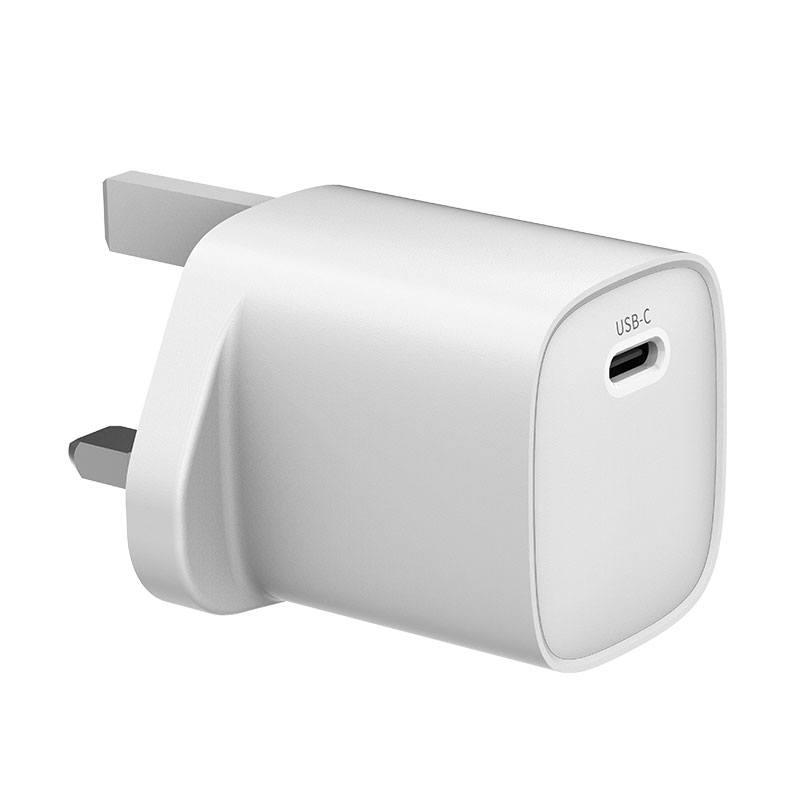
Checking the label before printing
Four checks, and the last one is physical.
The designation matches the file; the ratings include the conditions; the markings are present at the required size; and the label is legible on the finished product rather than only in the drawing. The physical check belongs in the sample gate, because curvature and finish change what can be read.
Where labelling goes wrong
Three patterns, and the second is the most expensive.
A designation copied from an earlier model; a required element omitted because the panel was full; and a multi-market pack printed with one language. Each is corrected by a reprint and, in some cases, a file update.

Keeping the label current
Three triggers, and each reopens the artwork.
A change of model designation or revision; a change of responsible party; and a change to the market list that alters the language set. Each is recorded with the revision so the next print starts from the right version.
What the sample gate should check on the label
The label is checked on the finished unit rather than on the artwork, because curvature, surface finish and print position all change what can be read. The sample gate is the first point at which the label exists on the product it will be sold on.
The check covers four things: the presence of each required element, the legibility at the size the rules require, the match between the model designation and the file, and the position the market’s rules dictate.
It is repeated at the outgoing inspection, because a print run can drift and a reprint can change the colour or the registration without changing the artwork revision.
Recording the result at both points is what makes the label verifiable a year later, when the question is which revision a shipment carried rather than whether a label existed.
FAQ
Can the label be smaller than the required marking?
The marking has a minimum size and the label carries the required elements at that size. Where the panel is too small, the market’s rules determine what may move to the packaging or the leaflet. Where the panel is small, check what the market allows to move to the packaging or the leaflet, because the marking itself usually has to stay on the product.
Does the model designation have to match the certificate?
It has to identify the same configuration as the file. Where the brand uses its own number, the mapping to the platform revision is recorded in the file. Record the mapping between the brand’s number and the platform revision in the file, so a reviewer can follow the commercial designation back to the tested configuration. Keep the mapping sheet with the label revision.
Can one pack serve several countries?
Where the pack carries the languages and the information each market requires, which is one artwork revision with more content rather than a pack per country. One artwork with more content is easier to administer than a pack per country, and the revision records which languages and which information each market receives. The language matrix travels with the artwork revision and is checked at the sample gate.
Where is the label checked?
On the finished product at the sample gate and again during the outgoing inspection, because curvature, finish and print position affect what can be read. Check it at the sample gate and again during the outgoing inspection, because the two points catch different causes: the first a design issue, the second a print or handling one. Both records are kept with the batch.
Next step
Send the product, the markets and the party to be named to Wecent Group through the contact page. The reply lists the required elements, their presentation rules, the language set and the artwork revision that carries them. Related reading: OEM and ODM charger manufacturing, charger quality control and our charger factory. External references: EU CE marking rules, UK UKCA marking guidance, US FCC Part 15 rules, EU WEEE Directive, IEC standards and UL standards and certification.