
Six SKUs, one brand system. As soon as a packaging design covers more than one product, artwork revisions stop being a design question and become a version-control question, and a programme that fixes the system once costs a fraction of one that re-decides the colour, the mark position and the type hierarchy at every SKU.
This guide is part of our OEM & ODM Charger Programmes. Read the full topic guide for the decisions that come before and after this step.
Custom charger branding: three ways to run the programme
Branding a range can be run SKU by SKU, as one brand system, or with the product and the packaging developed together.
The three ways differ in the number of artwork revisions, the risk of inconsistency, the cost per SKU and the speed of each addition. The size of the range decides which one is efficient: a single product suits the first, a range of existing platforms suits the second, and a new industrial design usually needs the third.
Choosing deliberately matters because the first way is the cheapest per SKU and the most expensive across a range. Every SKU re-decides the same questions, and the differences that appear between the cartons are exactly what a customer notices when the products sit next to each other on a shelf.
Way 1: SKU-by-SKU branding
The right answer for one product and the expensive answer for six.
Each product gets its own artwork, its own packaging version and its own approval sequence. For a single SKU with an uncertain future this keeps the fixed cost minimal and avoids committing to a system that may change. Across a range, the same approach repeats the setup for every carton, and the small differences that accumulate between them are what make a range look assembled rather than designed.
Way 2: one brand system applied across the range
Fix the system once and apply it to every platform and carton.
The mark, its clear space, the colour references, the type hierarchy, the label zone and the legal text zone are defined once and reused. Each new SKU then inherits the system and only the product-specific content changes, which cuts both the artwork time and the risk of drift. This is the efficient route for a brand that adds tiers or categories over time, and it is the route that keeps a reorder identical to the first shipment.
Way 3: product and packaging developed together
The highest-cost route, and the only one that decides the product’s appearance at the same time as its carton.
This route suits a programme where the enclosure is part of the brand, because the surfaces that carry the mark, the colour of the housing and the shape of the carton are resolved in one design loop. It needs the brand to freeze the visual system before the tool is cut, since a later change to the surface finish or the mark position touches the mould rather than the print file.
| Way | Artwork revisions | Consistency risk | Cost per SKU | Speed to add a SKU | Fits |
|---|---|---|---|---|---|
| 1 SKU by SKU | One per product, decided each time | Highest | Lowest for one product | Slow, repeats every decision | A single product |
| 2 One brand system | One system, applied repeatedly | Low | Falls with each SKU | Fast, inherits the system | A range on existing platforms |
| 3 Developed together | System plus a mechanical loop | Lowest | Highest, carries tooling | Slowest to the first SKU | A new industrial design |
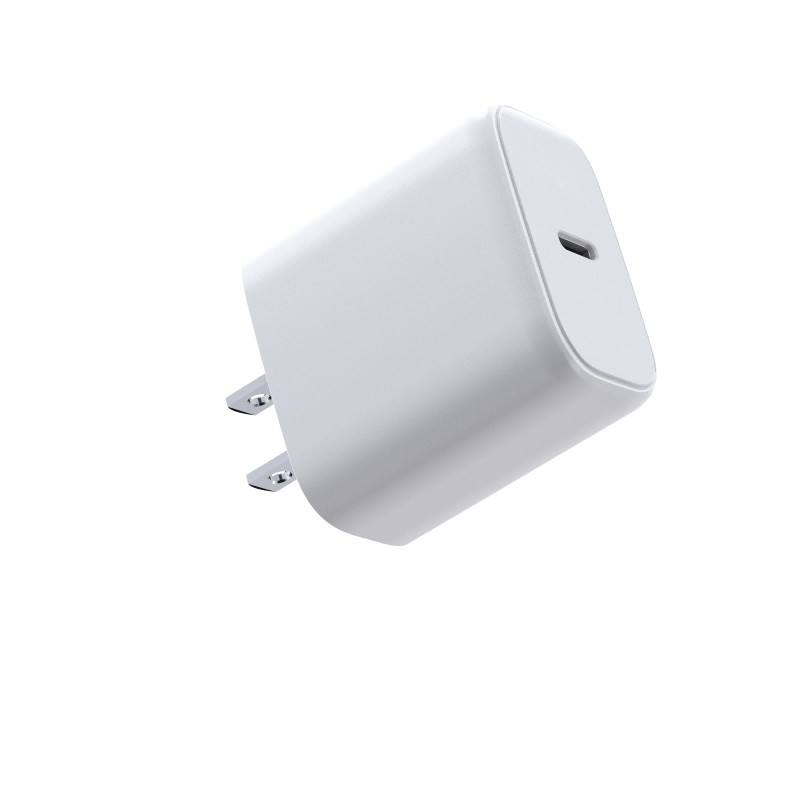
What the brand system has to fix
Eight elements, and each one prevents a per-SKU decision later.
The mark and its clear space, the permitted mark positions on each housing, the colour references with the substrate they were matched on, the type hierarchy and the minimum legible size, the photography or illustration style, the label zone, the legal and certification text zone, and the packaging construction. Writing these down is what allows a new SKU to be added by a different designer without renegotiating the brand.
Packaging, manuals and market consistency
The carton carries more brand risk than the product does.
Language versions, certification markings, importer details and the model designation all change by market, and each change is a separate artwork version with its own print setup. A system that fixes where those elements sit lets a new market be added by editing one zone rather than rebuilding the layout. It also keeps the documentation consistent: a manual that contradicts the label is a recurring source of retailer and customs questions.
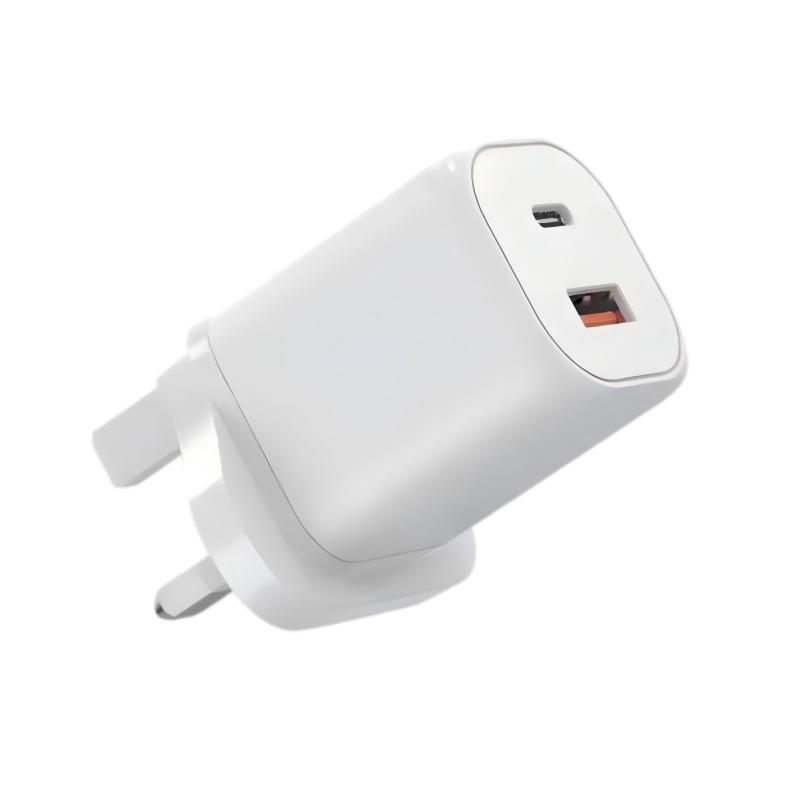
Handover: the asset pack that keeps the range consistent
The programme is only as repeatable as the files that leave it.
Ask for the production artwork, the colour references, the mark position drawings with tolerances, the packaging dielines, the print method and the retained samples for each version. Without them, a reorder a year later is a redesign, and the second shipment will differ from the first in ways that only become visible when both sit on the same shelf.
FAQ
Is one brand system restrictive for a growing range?
It is the opposite. A system fixes the elements that should never change and leaves the product-specific content free, so a new SKU can be added quickly without a new design round. A range without a system is not more flexible; it is slower to extend and harder to keep consistent. A system fixes the elements that should never change and leaves the product-specific content free.
Some brands say a custom colour costs the same as a standard one. Where is the difference?
It appears in the setup and the minimum. A custom colour is often a matched paint or a masterbatch with its own minimum quantity, and the surface finish may change the printing behaviour of the mark. Ask for the colour as a separate line in the quotation. The difference appears in the setup and the minimum, because a custom colour is often a matched paint with its own minimum quantity.
How do we keep packaging consistent across markets?
Fix the position of the market-specific zones, then let the content change inside them. Language versions, importer details and certification text vary by country, and confining them to defined areas keeps the layout identical while the content changes. Fix the position of the market-specific zones and let the content change inside them, so the layout stays identical while the content varies.
Who should own the artwork and the packaging files?
The brand. Ask for the production files, the dielines and the colour references at the end of the programme, in formats a different supplier can use. Ownership of the files is what makes a second source, a new market or a reorder a routine task rather than a rebuild. Ask for the production files, the dielines and the colour references at the end of the programme, in formats another supplier can use.
Next step
Send the SKU list, the markets, the packaging direction and the forecast to Wecent Group through the contact page. The reply states which way of running the programme fits the range, what the first artwork version covers and how a new market is added without rebuilding the layout. Related reading: OEM and ODM charger manufacturing, charger manufacturing services and our charger factory. External references: USB-IF documentation, IEC publications, EU CE marking rules, EU energy-efficient products, UL standards and certification and UK Office for Product Safety and Standards.
{“@context”:”https://schema.org”,”@type”:”FAQPage”,”mainEntity”:[{“@type”:”Question”,”name”:”Is one brand system restrictive for a growing range?”,”acceptedAnswer”:{“@type”:”Answer”,”text”:”It is the opposite. A system fixes the elements that should never change and leaves the product-specific content free, so a new SKU can be added quickly without a new design round. A range without a system is not more flexible; it is slower to extend and harder to keep consistent.”}},{“@type”:”Question”,”name”:”Some brands say a custom colour costs the same as a standard one. Where is the difference?”,”acceptedAnswer”:{“@type”:”Answer”,”text”:”It appears in the setup and the minimum. A custom colour is often a matched paint or a masterbatch with its own minimum quantity, and the surface finish may change the printing behaviour of the mark. Ask for the colour as a separate line in the quotation.”}},{“@type”:”Question”,”name”:”How do we keep packaging consistent across markets?”,”acceptedAnswer”:{“@type”:”Answer”,”text”:”Fix the position of the market-specific zones, then let the content change inside them. Language versions, importer details and certification text vary by country, and confining them to defined areas keeps the layout identical while the content changes.”}},{“@type”:”Question”,”name”:”Who should own the artwork and the packaging files?”,”acceptedAnswer”:{“@type”:”Answer”,”text”:”The brand. Ask for the production files, the dielines and the colour references at the end of the programme, in formats a different supplier can use. Ownership of the files is what makes a second source, a new market or a reorder a routine task rather than a rebuild.”}}]}