
A logo came back from a retail audit looking faded, and the cause was not the printer. The ink had been chosen for the primer on that housing, the brand’s wipe test used one solvent, the retail chain used another, and neither requirement had been written into the artwork pack.
Custom logo chargers: the four decisions
The marking method, the substrate and finish, the artwork pack, and the durability test the mark has to pass.
The four are decided in that order because each constrains the next: the substrate decides which methods are available, the method decides what the artwork has to contain, and the service condition decides the test. A programme that starts with the logo file usually ends up choosing the last three by default.
Lead time follows from the same four: a laser mark needs no plate, a pad print needs one per colour, and an in-mould decoration needs a printed film and a tooling change.
Decision 1: the marking method
Five methods cover most charger housings, and each suits a surface.
Pad printing follows a curved surface and needs a plate per colour; screen printing gives stronger coverage on flatter areas; laser marking changes the surface itself and needs no plate, with a contrast rather than a printed colour; in-mould decoration puts the graphic under the surface with full colour and a tooling change; and an applied label is the cheapest and the least durable. The method is chosen for the substrate and the durability requirement rather than for the resolution of the logo file.
Decision 2: the substrate and the finish
The same artwork behaves differently on a matte and a glossy surface.
Surface energy decides whether ink adheres, and the finish decides how the mark reads in light. A matte housing hides small print defects and shows colour differences; a glossy one does the opposite. Where the brand wants a specific finish, the marking method and the ink are chosen around it rather than after it.
Decision 3: the artwork pack
Six items, and the pack travels with the purchase order.
The production file in vector format; the colour reference with the substrate it applies to; the mark position drawing with tolerances; the print method and the ink type; the durability test with its chemical and cycle count; and the approved physical sample with its revision number. A programme that supplies a logo file alone leaves the remaining five to the factory, and the factory will choose something reasonable that may not be what the brand measures later.
Decision 4: the durability requirement
Four tests cover most complaints.
Abrasion under a defined rub; a solvent wipe with the specific chemical the channel uses; tape adhesion; and humidity or temperature cycling where the product travels in a container. The test is stated as a condition rather than as an adjective, because a mark that survives an alcohol wipe can still fail a citrus-based cleaner. The result belongs on the retained sample.
| Method | Surface fit | Setup | Lead time | Durability |
|---|---|---|---|---|
| Pad printing | Curved and small marks | A plate per colour | Short | Good with the right ink |
| Screen printing | Flat areas | A screen per colour | Short | Good, thicker film |
| Laser marking | Most flat surfaces | None | Shortest | Very high, contrast only |
| In-mould decoration | Designed into the tool | A printed film and tooling | Longest | Very high, full colour |
| Applied label | Anywhere after assembly | A printed label | Short | Lowest |
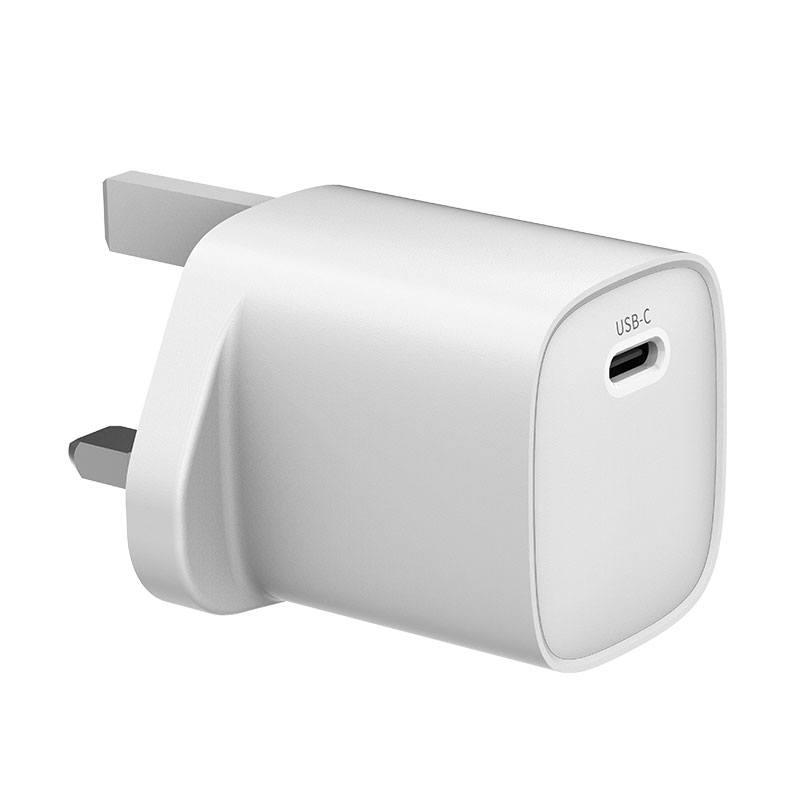
Lead time for each route
Three routes, and the difference is in the setup.
A laser mark needs no plate and can be applied to stock units quickly; a pad or screen print needs a plate or screen per colour, which is a short setup but a fixed cost per artwork version; and an in-mould decoration needs a film and a tooling change, which puts it on the tooling calendar rather than the printing one. The programme’s schedule should reflect the route rather than a general lead time.
What to check before the first production run
Three items, each visible on a sample.
The mark position after moulding, printing and assembly, because the surface curves; the colour against the reference on the actual substrate rather than on a screen; and the durability test on the retained sample, recorded with its conditions. The retained sample is what a later batch is measured against, which is why it is signed and dated.

Where logo programmes go wrong
Three patterns, and each is avoidable in the artwork pack.
A mark approved from a screen render; an ink chosen without the service chemical being stated; and a colour change requested after the plates are cut, which reopens the setup and the schedule. Each is a documentation gap rather than a technical failure, and each is cheapest to close before the first print.
FAQ
Which marking method is most durable?
Laser marking and in-mould decoration are the most durable because the mark becomes part of the surface. Printed marks can be durable with the right ink and substrate, and the result depends on the test the mark has to pass. Laser marking and in-mould decoration are the most durable because the mark becomes part of the surface, while a printed mark depends on the ink and the substrate.
What does the factory need from the brand?
The vector production file, the colour reference with the substrate, the position drawing with tolerances, the method, the durability test and an approved physical sample with its revision. Ask for the vector production file, the colour reference with the substrate, the position drawing with tolerances, the method, the durability test and an approved physical sample with its revision number recorded.
Does the logo change the minimum order?
Rarely by itself, because the plate is a fixed charge rather than a quantity constraint. It can make a very small order uneconomic once the setup is spread across the units. The plate is a fixed charge rather than a quantity constraint, so the logo rarely changes the minimum, although it can make a very small order uneconomic once the setup is spread across the units.
How long does the marking route add?
A laser mark adds almost nothing; a pad or screen print adds the setup for the plates; an in-mould decoration follows the tooling calendar and adds a printed film. A laser mark adds almost nothing, a pad or screen print adds the setup for the plates, and an in-mould decoration follows the tooling calendar and adds a printed film. Ask for the setup charge for each method quoted.
Next step
Send the logo file, the housing material and finish, the markets and the service condition to Wecent Group through the contact page. The reply proposes the marking method, the durability test that goes with it and the setup that applies to the first order. Related reading: OEM and ODM charger manufacturing, charger quality control and wholesale charger programmes. External references: USB Power Delivery specification, IEC standards, EU CE marking rules, US Consumer Product Safety Commission, UL standards and certification and TUV testing services.
{“@context”:”https://schema.org”,”@type”:”FAQPage”,”mainEntity”:[{“@type”:”Question”,”name”:”Which marking method is most durable?”,”acceptedAnswer”:{“@type”:”Answer”,”text”:”Laser marking and in-mould decoration are the most durable because the mark becomes part of the surface. Printed marks can be durable with the right ink and substrate, and the result depends on the test the mark has to pass.”}},{“@type”:”Question”,”name”:”What does the factory need from the brand?”,”acceptedAnswer”:{“@type”:”Answer”,”text”:”The vector production file, the colour reference with the substrate, the position drawing with tolerances, the method, the durability test and an approved physical sample with its revision.”}},{“@type”:”Question”,”name”:”Does the logo change the minimum order?”,”acceptedAnswer”:{“@type”:”Answer”,”text”:”Rarely by itself, because the plate is a fixed charge rather than a quantity constraint. It can make a very small order uneconomic once the setup is spread across the units.”}},{“@type”:”Question”,”name”:”How long does the marking route add?”,”acceptedAnswer”:{“@type”:”Answer”,”text”:”A laser mark adds almost nothing; a pad or screen print adds the setup for the plates; an in-mould decoration follows the tooling calendar and adds a printed film.”}}]}