
Six units out of a thousand were dead on arrival, and the two parties spent three weeks deciding whether that was a claim or a rounding error. The shipment was not the problem; the absence of a threshold was. A DOA arrangement is four decisions taken before the first container rather than a conversation after it.
This guide is part of our Programme Execution & After-sales. Read the full topic guide for the decisions that come before and after this step.
Charger DOA handling: the four decisions
The definition and its window, the threshold, the remedy and the evidence.
Each is short enough to write into a purchase order, and together they convert a dispute into a calculation. A programme that settles all four can process an incoming inspection in an afternoon.
The shipment that arrived with six dead units
The units were tested and the argument was about the word.
Both parties accepted that six units did not power on. The disagreement concerned whether a DOA arrangement applied at all, because the term had never been defined and the agreement referred only to defective goods. Six units became a discussion about the whole delivery.
Decision one: the definition and window
Two parts, and the window is usually the shorter argument.
A unit that does not power on or does not charge when first unpacked, reported within a defined number of days of receipt. The window is set long enough to complete an incoming inspection and short enough that the units have clearly not been used.
Decision two: the acceptance threshold
It is a percentage, and it is agreed rather than discovered.
A threshold of one per cent means a thousand-unit shipment can contain ten units before the claim becomes systemic rather than incidental. Below the threshold the units are replaced; above it the batch record is reviewed, because a rate above the threshold points at a production cause.
Decision three: the remedy route
Credit, replacement or return, and the quantity decides.
A small number of units is usually credited rather than shipped, because the freight on six units exceeds their value. A larger affected quantity is replaced in the next shipment, and a whole-batch issue is handled as a recall rather than as a DOA claim.
Decision four: the evidence
Three items, and the third makes the claim verifiable.
The batch code, the count of affected units against the quantity inspected, and the test that was performed with its result. A photograph of a unit that does not light is not evidence of a failure; a test record with the input conditions and the observed output is.
| Decision | Typical value | Effect of getting it wrong | Where it is written |
|---|---|---|---|
| Definition and window | Unpacking failure, 15 to 30 days | The claim becomes a negotiation | Purchase order |
| Threshold | Around one per cent | Small failures consume the relationship | Supply agreement |
| Remedy | Credit below the threshold | Freight exceeds the value of the units | Supply agreement |
| Evidence | Batch code, count, test record | Claim cannot be verified | Claim form |

How the rate is calculated
Two numbers, and the denominator is the one that is argued about.
The affected units divided by the units inspected, not by the units received. Where only part of a shipment has been inspected, the rate is stated against the inspected quantity, and the remainder is either inspected or accepted with the rate extrapolated in writing.
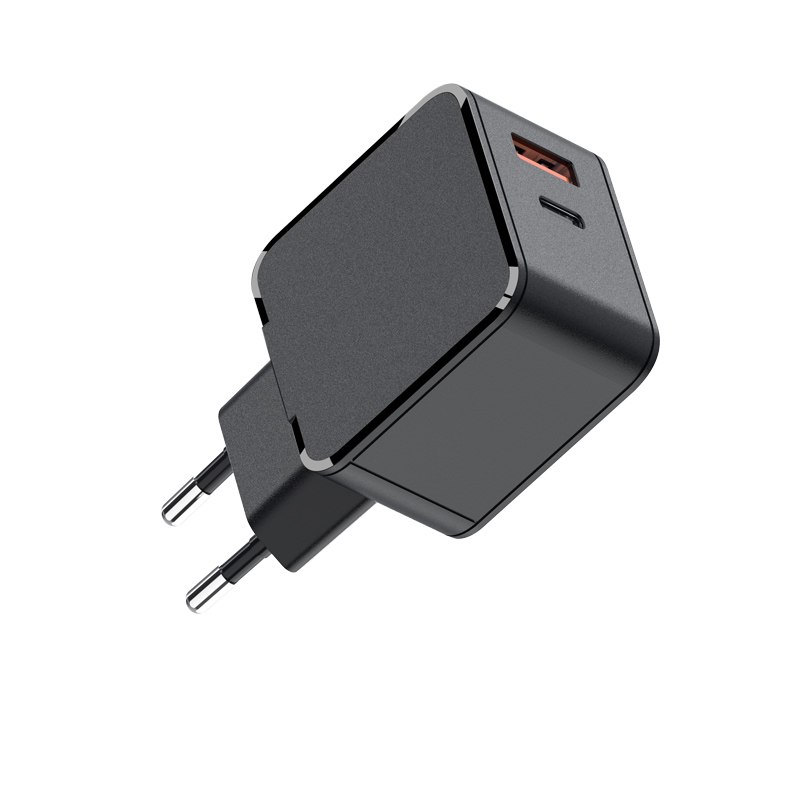
What stops a DOA claim becoming a dispute
Three items, and none of them is a stronger argument.
A defined term, an agreed threshold and a batch code on the carton. With those three in place the claim is a calculation, and the remedy follows the arithmetic rather than the tone of the correspondence.
What the incoming inspection should record
The inspection record is the document the claim is settled from, so it carries the batch code, the quantity inspected, the quantity affected and the test that was applied. A record with a count but no method cannot distinguish a failed unit from a unit that was tested incorrectly.
The record also fixes the denominator. Reporting affected units against the shipment rather than against the quantity inspected understates the rate, and that difference decides whether the result sits above or below the agreed threshold. Record the method as well, so the next inspection uses the same one.
Keep the first inspection record with the batch record, because it becomes the reference for the second shipment of the same platform. A programme that inspects without recording repeats the same discovery on every order. Where a platform is reused across several orders, the recorded inspection point is the cheapest way to confirm that the production process has not drifted.
FAQ
Is a DOA claim the same as a warranty claim?
No. A DOA claim concerns a unit that failed when first unpacked and is normally settled quickly; a warranty claim concerns a unit that failed during use and is assessed against the specification. The distinction matters commercially as well: a DOA claim is normally settled on a count, while a warranty claim is assessed against the specification and can take weeks.
Should every unit be inspected on arrival?
A sample is usually enough, and the sample size is stated in the claim arrangement. Where the whole shipment is inspected, the rate is exact and the claim is simpler to settle. State the sample size and the acceptance number in the order, so the inspector applies the agreed level rather than choosing one on the day of arrival. Record the sample size and the method with the result, because the claim is settled from the record rather than from the units.
What if the rate is above the threshold?
The batch record is reviewed before a remedy is agreed, because a rate above the threshold suggests a production cause. The corrective action matters more at that point than the credit. The threshold also decides who pays for the investigation: below it the units are replaced, and above it the batch record and the process are reviewed before a remedy is discussed.
Can the threshold differ by product?
It can, and it usually does where the product includes a battery or a moving part. The threshold is set from the reliability testing rather than from a general policy. Where a platform serves several products, the threshold is written per product rather than per supplier, because the failure mode follows the construction rather than the vendor. The threshold is also reviewed when a component changes, because the reliability evidence behind it may no longer describe the product.
Next step
Send the product, the shipment size and the acceptance threshold you need to Wecent Group through the contact page. The reply sets out the DOA definition, the threshold and the evidence that settles a claim. Related reading: charger quality control, OEM and ODM charger manufacturing and wholesale chargers. External references: BSI standards, IEC standards, UL solutions, Intertek testing services, ICC business solutions for trade and EU WEEE Directive.