
There is no CE certificate for a charger. The marking is a declaration that the product meets the requirements that apply to it, supported by a technical file the manufacturer keeps. Brands search for the certificate because suppliers offer one, and the misunderstanding survives until a marketplace or an authority asks for the file behind the mark.
CE certification for a charger: what the marking actually requires
The marking requires a declaration of conformity and a technical file, not an award issued by an authority.
The party placing the product on the market takes responsibility for that declaration. For a charger, the requirements come from several instruments at once: electrical safety for the mains-connected parts, electromagnetic compatibility, restrictions on hazardous substances, and energy requirements where the product is an external power supply. A product with a radio interface adds the radio equipment requirements on top.
This is why the question “do we need CE certification” is answered with a scope rather than a yes or no. The scope follows the product’s electrical ratings, its functions and the market it is placed in, and each element of that scope carries its own evidence.
Which requirements apply to a charger
Four groups usually apply, and a fifth appears when the product contains a radio.
Electrical safety for equipment within the voltage range the Low Voltage Directive covers; electromagnetic compatibility for emissions and immunity; chemical restrictions covering hazardous substances and substances of very high concern; and energy-related requirements for external power supplies, including the efficiency and no-load consumption expectations. A wireless charger or a charger with a radio control interface adds the radio equipment requirements, which bring their own test regime and, in some cases, notified body involvement.
The technical file and the declaration of conformity
The file is what makes the declaration defensible.
It normally contains a description of the product and its revision, the drawings and the circuit or construction details, the component list, the standards applied and the test results, the label artwork, the instructions, and the declaration itself. The declaration names the product, the manufacturer or the party taking responsibility, the requirements applied and the standards used. Both documents have to describe the same revision as the product that ships.
Testing: what is done, by whom, and what it proves
Testing produces evidence; the declaration is still the responsible party’s act.
A laboratory tests against the standards named in the file, and its report records the results for the sample it received. Where the construction or the component list differs from that sample, the report describes a different product and the difference has to be assessed. For most charger programmes no notified body is involved; where the product includes a radio interface, the requirements and the route may differ, and the market list is what determines which applies.
The role of the importer and the responsible party
Obligations attach to the role a company takes, not to the country of manufacture.
Where the manufacturer is outside the market, an importer or authorised representative may carry duties such as verifying the declaration and the marking and holding the documentation available. A brand that imports under its own name takes on those duties, which is why the arrangement should be settled before the artwork is printed rather than after a customs question.
Marking rules: size, legibility and the instructions
The mark has to be applied according to the rules, not to the design layout.
Its proportions and minimum size are prescribed, it has to be visible or accessible on the finished product and it may not be placed in a way that implies approval by an authority. The safety information and the instructions have to be in the language the market requires, and the label content has to agree with the file. Where the packaging carries the mark as well, the same rules apply to the version on the carton.
| Element | What it requires | Evidence | Common mistake |
|---|---|---|---|
| Safety | Construction and insulation of mains-connected parts | Safety report and construction review | Evidence from a different enclosure |
| Electromagnetic | Emissions and immunity limits | EMC test report | Measurement without the shipping enclosure |
| Chemical | Restrictions on hazardous substances | Material declarations from suppliers | Assumed rather than documented |
| Energy | Efficiency and no-load behaviour of external supplies | Test results against the applicable requirement | Adapter specification changed late |
| Marking and instructions | Correct, legible and in the required language | Label artwork and instruction sheet | Artwork revision out of step with the file |

Where the energy and chemical requirements attach
Two of the requirements are about the product’s materials and consumption rather than its safety.
The chemical restrictions apply to the substances in the product and its packaging, and the evidence comes from supplier declarations collected along the bill of materials. The energy requirements attach to the external power supply, which is often a separate item in the retail box and therefore a separate subject for evidence. Collecting both sets of documents takes longer than testing does, which is why they are worth starting when the component list is frozen rather than when the carton is ready.
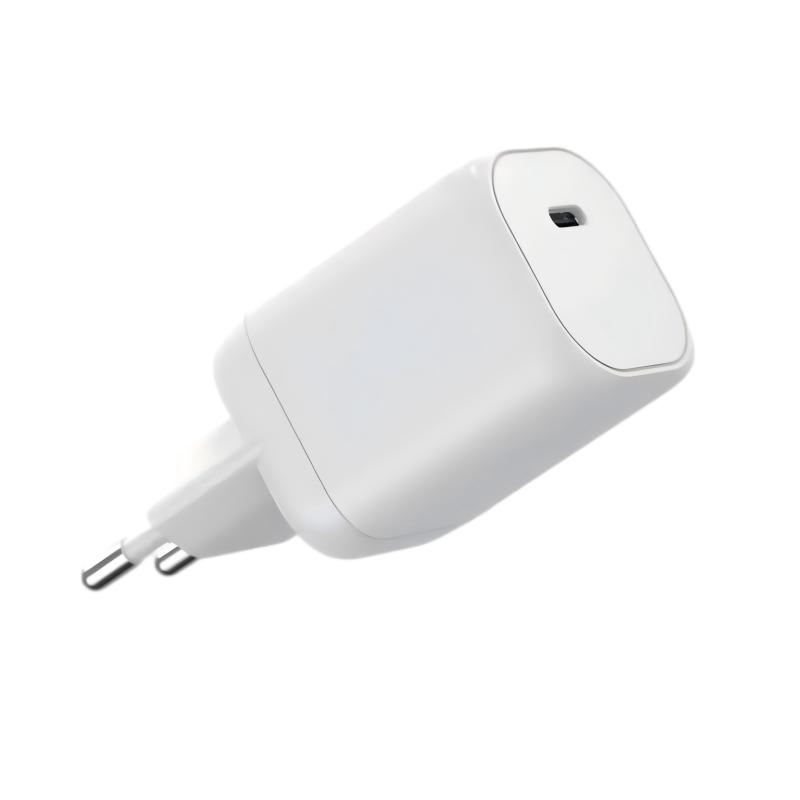
What changes when the brand name is added
The name on the product decides who answers for it.
Where the brand places the product on the market under its own name, it takes the position of the manufacturer for the purposes of the declaration and holds the technical file. The factory’s existing evidence can support that arrangement where the configuration matches, and where it does not, the difference is assessed. Deciding this before the artwork is printed avoids the situation where the marking names one company and the file another.
FAQ
Is there such a thing as a CE certificate?
For most electrical products the marking is a declaration supported by a technical file rather than a certificate. Test reports from a laboratory support the declaration, and certain product categories involve a notified body, but the obligation rests with the party placing the product on the market. For most electrical products the marking is a declaration supported by a technical file, with test reports supporting the declaration.
Can we use the factory’s declaration with our brand on the product?
Where the brand is placing the product on the market under its own name, the declaration has to reflect that role, and the file has to be held by the party answerable for it. The factory’s reports can support the file where the tested configuration matches what ships. Where the brand places the product on the market under its own name, the declaration has to reflect that role and the file is held by the party answerable for it.
Do chargers need a notified body?
For many charger programmes the route is testing plus a declaration, without a notified body. Products that include a radio interface follow the requirements for radio equipment, which can differ, so the answer follows the product’s functions and the market. For many charger programmes the route is testing plus a declaration, while products with a radio interface follow the requirements for radio equipment.
How long does a CE file take to assemble?
The document set can be assembled in weeks where the test evidence already exists for the configuration. The long items are usually the chemical declarations collected along the component list and any re-test required because the brand’s enclosure differs from the tested one. The document set can be assembled in weeks where the evidence exists, and the long items are the chemical declarations and any re-test.
Next step
Send the product, the electrical ratings, the functions and the markets to Wecent Group through the contact page. The reply states which requirements apply to that configuration, what the file would contain and which documents the brand would hold. Related reading: charger quality control, OEM and ODM charger manufacturing and our charger factory. External references: EU CE marking rules, EU Low Voltage Directive, EU EMC Directive 2014/30/EU, EU RoHS Directive, EU energy-efficient products and EU REACH Regulation.
{“@context”:”https://schema.org”,”@type”:”FAQPage”,”mainEntity”:[{“@type”:”Question”,”name”:”Is there such a thing as a CE certificate?”,”acceptedAnswer”:{“@type”:”Answer”,”text”:”For most electrical products the marking is a declaration supported by a technical file rather than a certificate. Test reports from a laboratory support the declaration, and certain product categories involve a notified body, but the obligation rests with the party placing the product on the market.”}},{“@type”:”Question”,”name”:”Can we use the factory’s declaration with our brand on the product?”,”acceptedAnswer”:{“@type”:”Answer”,”text”:”Where the brand is placing the product on the market under its own name, the declaration has to reflect that role, and the file has to be held by the party answerable for it. The factory’s reports can support the file where the tested configuration matches what ships.”}},{“@type”:”Question”,”name”:”Do chargers need a notified body?”,”acceptedAnswer”:{“@type”:”Answer”,”text”:”For many charger programmes the route is testing plus a declaration, without a notified body. Products that include a radio interface follow the requirements for radio equipment, which can differ, so the answer follows the product’s functions and the market.”}},{“@type”:”Question”,”name”:”How long does a CE file take to assemble?”,”acceptedAnswer”:{“@type”:”Answer”,”text”:”The document set can be assembled in weeks where the test evidence already exists for the configuration. The long items are usually the chemical declarations collected along the component list and any re-test required because the brand’s enclosure differs from the tested one.”}}]}