
Talk · Maintenance · Stock, warehouse & retail handling
How should a distributor document refurbished chargers so they are not sold as new?
Separate refurbished stock physically and in your system from the start.
 Wecent Editorial Team
Updated
3 min read
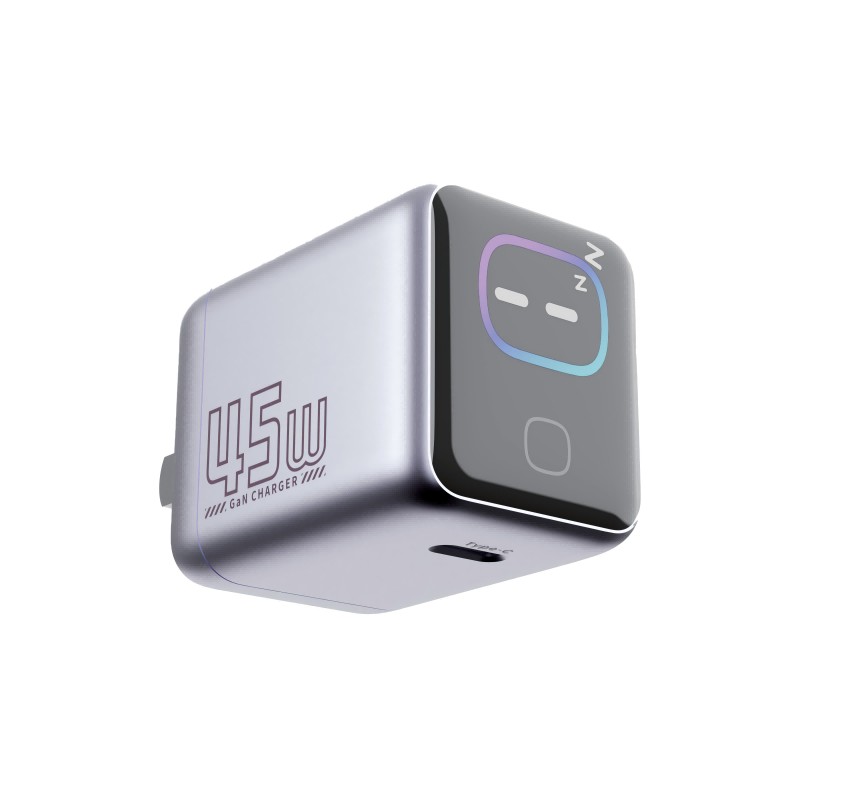
We take returns and resell some chargers as refurbished. How do we keep a clear record so that they are never sold as new?
Short answer: Separate refurbished stock physically and in your system from the start. Test each unit, grade it, label the product and the pack with a clear refurbished mark and keep a record of what was done. Sell only through channels and listings that say refurbished, and never mix grades.
Why this matters
Selling a used or refurbished charger as new is misleading and can lead to complaints, chargebacks and legal problems. A charger is also a safety product, so condition and testing matter.
Decide what you will accept
Not every returned charger should be resold. Reject units that are damaged, burnt, wet or with broken plugs. Only accept units that can be safely inspected and tested.
A simple process
- Receive and log. Record the unit, its source and the reason for return.
- Inspect. Check housing, plug, cable and ports for damage.
- Test. Run a function and safety check, using the same test as new production where possible.
- Clean and repair. Replace only parts that you are entitled to replace.
- Grade. Use clear grades, such as like-new and used, with defined criteria.
- Label. Add a refurbished mark to the unit and pack.
- Store separately. Use separate bins, locations and SKUs.
- Record. Keep test results, photos and a unit number.
Packaging and listing
- Use packaging that is clearly marked as refurbished, and do not reuse new retail boxes with new product claims.
- List the product with the refurbished grade and a plain description of condition.
- Offer a warranty that matches local rules.
Systems
Create a different stock code for refurbished goods and block sales of that code through new-product channels.
Brand and compliance
If the product carries your brand or a third-party brand, check the rights to resell and the rules for marks and certification on repackaged goods.
Audit
Check regularly that refurbished items are not in the new-product area, and that listings and labels are consistent.
Quick summary
Separate stock, test and grade each unit, label clearly, record what was done and sell only through channels marked refurbished.
Training the team
Show warehouse and customer-service staff what a refurbished unit looks like, how it is labelled and where it is stored. A short training prevents accidental mixing, which is the most common cause of refurbished goods being shipped as new.
Where this answer says to confirm with Wecent, the detail is not published on the product page and has to come from the datasheet or the factory. General facts come from the regulators, standards bodies or device makers named in the text.
Three more perspectives
Products discussed in this thread
Related articles & topics
Have a sourcing question about your own programme?
Ask our team More Stock, warehouse & retail handling questions