
Talk · Purchasing · Channels & supplier management
Is a 200-piece trial order enough to test a new charger SKU on Amazon?
It is enough to test listing quality, reviews and returns. It is often not enough to test demand, because the fixed costs are the same as for a larger order.
 Wecent Editorial Team
Updated
3 min read
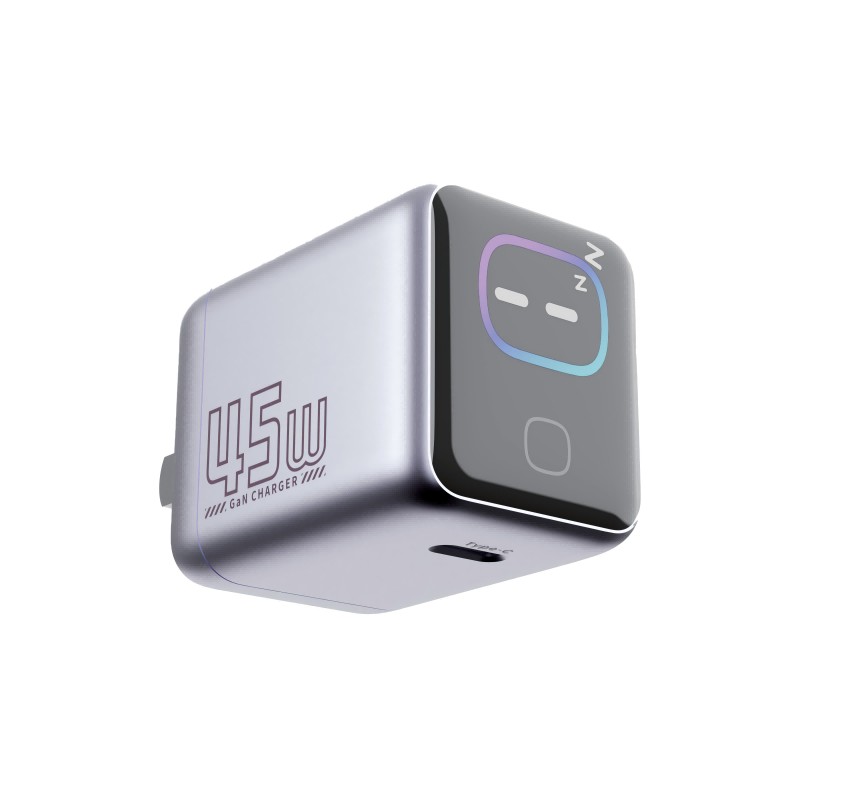
Wecent’s MOQ is 200 pieces. We want to test a 45W smart-screen charger (WEX45Pro) on Amazon before committing to a large order. Is 200 units a meaningful test?
Short answer: It is a meaningful test of the product and listing: quality, early reviews, return reasons and conversion. It is a weak test of demand on its own, because 200 units can sell out or stall for reasons unrelated to the product. Plan the fixed costs and the re-order lead time before you start.
What 200 units can show
- Product quality in real use: return reasons and review comments in the first weeks.
- Listing performance: click-through and conversion rates for your images and price point.
- Packaging and compliance: whether the marketplace accepts your documents and labels without delays.
What it can’t show reliably
Long-term demand. Small inventories are sensitive to advertising spend, launch timing, stock-outs and early reviews. A sold-out trial might mean strong demand or a low launch price, and a slow one might mean poor visibility rather than a poor product.
Costs that don’t shrink with quantity
- Certification documents and any listing approval in a restricted category.
- Packaging design and print set-up.
- Photography and listing content.
- Freight minimums, and marketplace inbound and labelling requirements.
Spread over 200 units, these can easily exceed the product cost. Treat them as an investment in the SKU, not as part of the trial’s unit economics.
Choosing which variant to test
With 200 pieces, test one colour and one plug configuration rather than splitting into small lots. Split lots of 50 units give results too noisy to compare. Variants can follow once the core SKU has proven itself.
Planning the re-order
Wecent’s product pages state mass production 7–15 days after sample sign-off. A re-order of an approved design is often faster to start, but add freight and marketplace check-in time. If the trial sells well, the gap before new stock arrives can cost rankings. Decide in advance at what sell-through level you will re-order, and agree a re-order lead time with Wecent.
A practical structure
- Order 200 for the marketplace and a small extra quantity for samples, photography and replacements.
- Define success metrics before launch: return rate, review score, conversion rate.
- Keep the listing, price and advertising stable for the test period so the results can be read.
- Trigger the re-order on those metrics, not just sell-out.
Where this answer says confirm with Wecent, the detail is not published on the product page and has to come from the datasheet or the factory. General facts come from the standards bodies, regulators or device makers named in the text.
Three more perspectives
Products discussed in this thread
Related articles & topics
Have a sourcing question about your own programme?
Ask our team More Channels & supplier management questions