
Talk · Purchasing · Channels & supplier management
Can chargers be made for a licensed-character or co-branded range, and who approves the artwork?
Yes, but the licensor controls the artwork and quality, so the process has formal approval stages.
 Wecent Editorial Team
Updated
2 min read
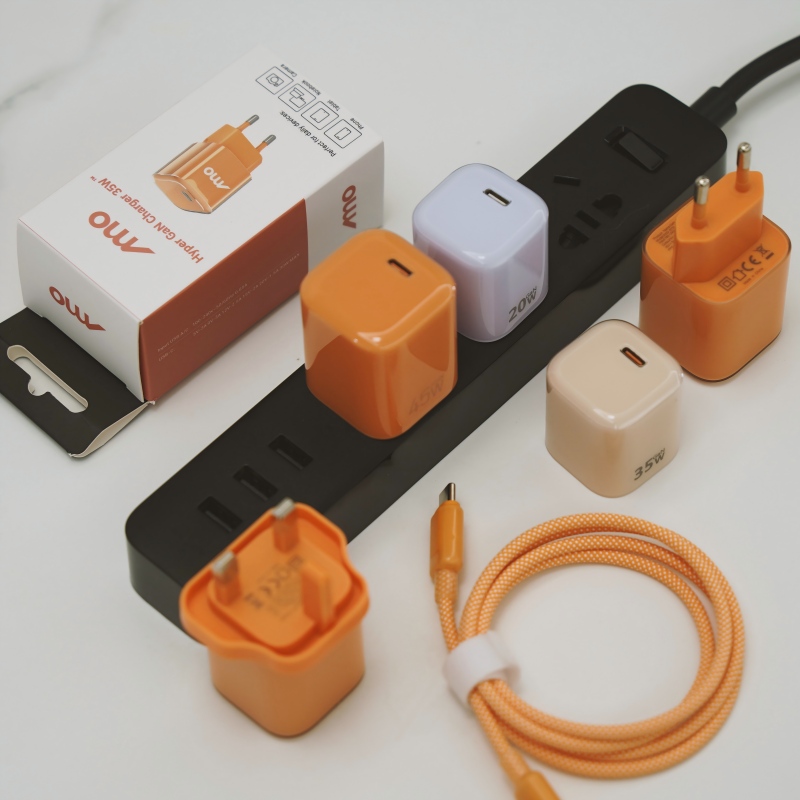
We have a licence for a character brand and want chargers with its artwork. What approvals are involved, and how should we plan?
Short answer: Yes, but the licensor controls the artwork and quality, so the process has formal approval stages. Expect to submit concepts, pre-production samples and final production samples for written approval. Plan time for revisions, check royalty and territory terms and make sure the chargers meet normal safety and labelling rules, which the licence does not replace.
Who approves what
The licensor, the owner of the character or brand, approves how its name, images and colours are used. Your factory makes the product, and you manage the approvals. Without written approval at each stage, the products cannot be sold safely.
Typical approval stages
- Concept. Sketches or renderings of the product and packaging.
- Pre-production sample. A physical sample showing materials and print.
- Final production sample. Units from the first run.
- Packaging and marketing. Boxes, listings and advertising.
Each stage needs a written approval, and licensors often ask for changes.
Contract points
- Territory and channels. Where and how you may sell.
- Term. The licence period and sell-off rules.
- Royalties and minimums. Payment terms and guaranteed amounts.
- Quality standards. Colour, finish and workmanship.
- Factory rules. Some licensors require audits of factories.
- Samples. The number of free samples to provide.
Timing
Allow weeks for each approval. Share the schedule with the factory, and keep approval dates in the project plan. Do not start mass production before the final approval.
Safety and compliance
The licence does not replace safety, radio or labelling rules. If the product is aimed at children, extra rules and testing can apply. Ask a compliance adviser early.
Protect the artwork
Keep the artwork files secure, and tell the factory not to use them for other customers. Ask for the return or destruction of leftover stock and tooling when the licence ends.
Quick summary
Plan the approvals, read the contract carefully, give the factory a schedule and keep compliance separate and complete.
Practical checklist
Before you sign, ask the licensor for the approval form, the typical review time, the artwork file format and any restrictions on colours or materials. Share these with the factory in writing. A simple checklist like this avoids delays when the first sample is rejected because of a detail that could have been checked earlier.
Where this answer says to confirm with Wecent, the detail is not published on the product page and has to come from the datasheet or the factory. General facts come from the regulators, standards bodies or device makers named in the text.
Three more perspectives
Products discussed in this thread
Related articles & topics
Have a sourcing question about your own programme?
Ask our team More Channels & supplier management questions