
Talk · Maintenance · Stock, warehouse & retail handling
How can we keep matte charger shells looking good on display?
Matte finishes show fingerprints and shiny wear spots. Clean them gently with a dry or slightly damp microfibre cloth, avoid solvents and abrasive cleaners, and rotate display units before they look tired.
 Wecent Editorial Team
Updated
3 min read
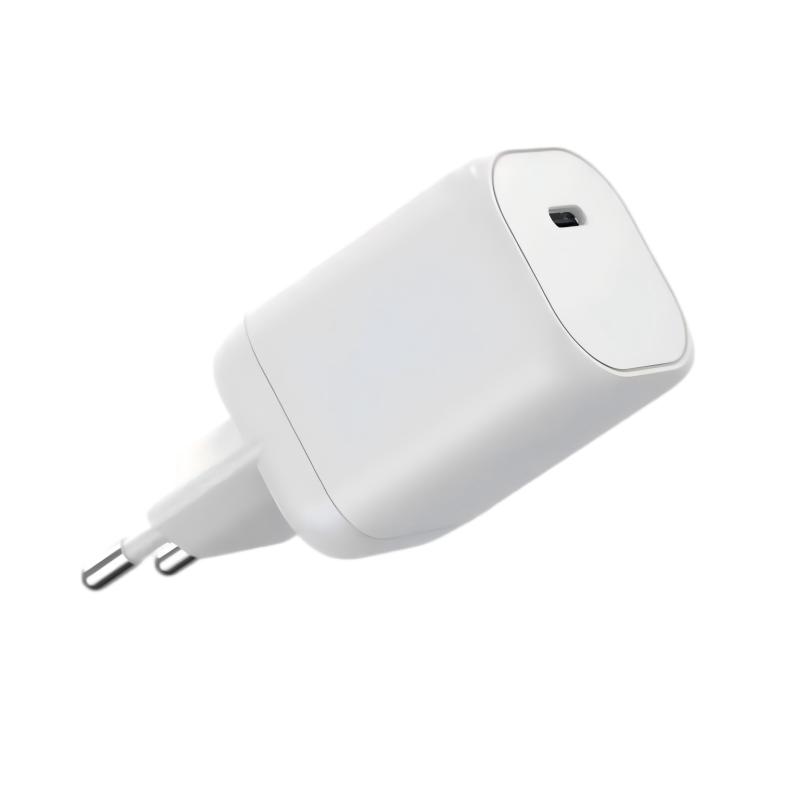
Our matte black chargers look greasy and patchy after a few weeks on display. How should staff clean them?
Short answer: Unplug the unit, then wipe with a dry microfibre cloth; for greasy marks, use a cloth slightly dampened with water and dry it afterwards. Avoid alcohol, solvents, polishes and abrasive pads, which can leave shiny patches or damage coatings. Keep liquid away from pins and ports. Shiny areas from rubbing usually can’t be restored, so rotate display units regularly and retire worn ones.
Why matte finishes change
A matte surface scatters light thanks to a fine texture or coating. Skin oils fill that texture and make it look darker or greasy. Repeated rubbing can also polish the texture smooth, which creates shiny patches. Display units are touched constantly, so they show these changes long before customers’ own chargers do.
Routine cleaning
Always unplug before cleaning. A clean, dry microfibre cloth removes most fingerprints. For stubborn marks, lightly dampen the cloth with water, wipe gently, then dry the surface. Wipe in straight lines rather than scrubbing in circles in one spot, and change cloths often, since a dirty cloth just spreads oil around.
What to avoid
Alcohol, household sprays, solvents and polishes can strip soft-touch coatings, leave streaks or create permanent shine. Abrasive pads and melamine sponges remove texture. Never spray cleaner directly on the charger, because liquid can reach pins and ports. If a specific cleaner is recommended in the product manual, follow that guidance instead of general advice.
Shiny wear and sticky coatings
Once the texture is polished smooth, cleaning won’t bring it back. Some soft-touch coatings can also turn sticky over time, especially in heat. In both cases the best answer is to retire the display unit and use a fresh one, rather than trying aggressive fixes.
Handling by staff
Staff handle display units too, often with hand cream or food on their fingers during a busy shift. Encourage clean hands when resetting displays, and store spare display units in their bags rather than loose in drawers where they rub against other items.
Rotate and plan
Swap display units on a schedule, for example monthly in busy stores, and include the cost of display units in the launch plan. When choosing finishes for new models, ask about durability of the coating for display use; textured finishes often hide wear better than smooth soft-touch ones.
Confirm with Wecent the surface finish and any cleaning guidance for each model.
Where this answer says confirm with Wecent, the detail is not published on the product page and has to come from the datasheet or the factory. General facts come from the standards bodies, regulators or device makers named in the text.
Three more perspectives
Products discussed in this thread


Related articles & topics
Have a sourcing question about your own programme?
Ask our team More Stock, warehouse & retail handling questions