
Talk · Selection · Travel plugs, form factor & materials
What USB-C connector durability should we require, and how is it verified?
Ask for the durability figure in the USB Type-C specification as a minimum, and require the factory to show test results from a cycle test on samples of your actual part and cable.
 Wecent Editorial Team
Updated
2 min read
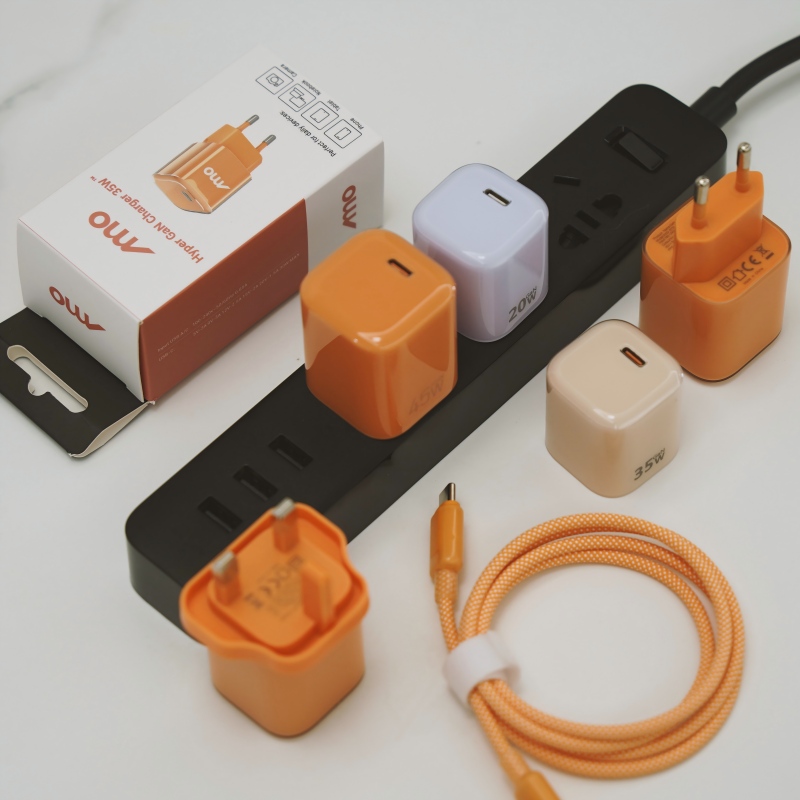
We are writing a specification for a charger with a USB-C port. How many insertion cycles should we require, and how do we confirm the factory meets it?
Short answer: Ask for the durability figure in the USB Type-C specification as a minimum, and require the factory to show test results from a cycle test on samples of your actual part and cable. Add retention, side-load and wiggle checks, because many field failures come from loose or damaged ports rather than from the count alone.
Start from the specification
The USB Type-C specification includes a durability requirement for the connector, which is expressed as a number of mating cycles. Check the current published version for the figure and the test method, and quote it in your own spec so that it cannot be argued later.
Durability is more than the count
A port can survive many cycles and still be a poor product. Check these as well: – Retention force. The plug must hold in the port, not fall out. – Insertion and extraction force. Neither too stiff nor too loose. – Side load. Pushing the cable sideways should not break the port or the board joint. – Contact wear. Plating thickness and material determine how contacts wear. – Solder joints and shell mounting. Many failures are at the joint with the circuit board.
How to verify
- Ask for the factory’s cycle test report, with the sample size and the method.
- Make sure the test used your real connector part number, not a similar one.
- Run an independent test at a lab on a sample of production units.
- Check electrical continuity and charging after the test, not only appearance.
- Open a few failed samples to see where failure occurs.
What to put in the specification
- The cycle count and the specification or standard it refers to.
- The test speed, force limits and the cable or plug used.
- Pass criteria: no loss of function, no cracking and retention within limits.
- A rule that the connector supplier and part cannot change without approval.
Watch the supply chain
Connectors from different suppliers can look the same but perform differently. Ask for the datasheet and the supplier name, and check batch records.
Keep the data
Store the test report with the approved sample file and re-test when the connector or supplier changes.
Where this answer says to confirm with Wecent, the detail is not published on the product page and has to come from the datasheet or the factory. General facts come from the regulators, standards bodies or device makers named in the text.
Three more perspectives
Products discussed in this thread

Related articles & topics
Have a sourcing question about your own programme?
Ask our team More Travel plugs, form factor & materials questions