
Talk · Compliance · Test reports, labels & documents
Does a USB-C cable bundled with our charger need its own certification?
USB cables mostly fall outside the Low Voltage Directive, but RoHS, REACH and general product safety still apply. USB-IF certification is voluntary and needed only to use the USB-IF logos.
 Wecent Editorial Team
Updated
3 min read
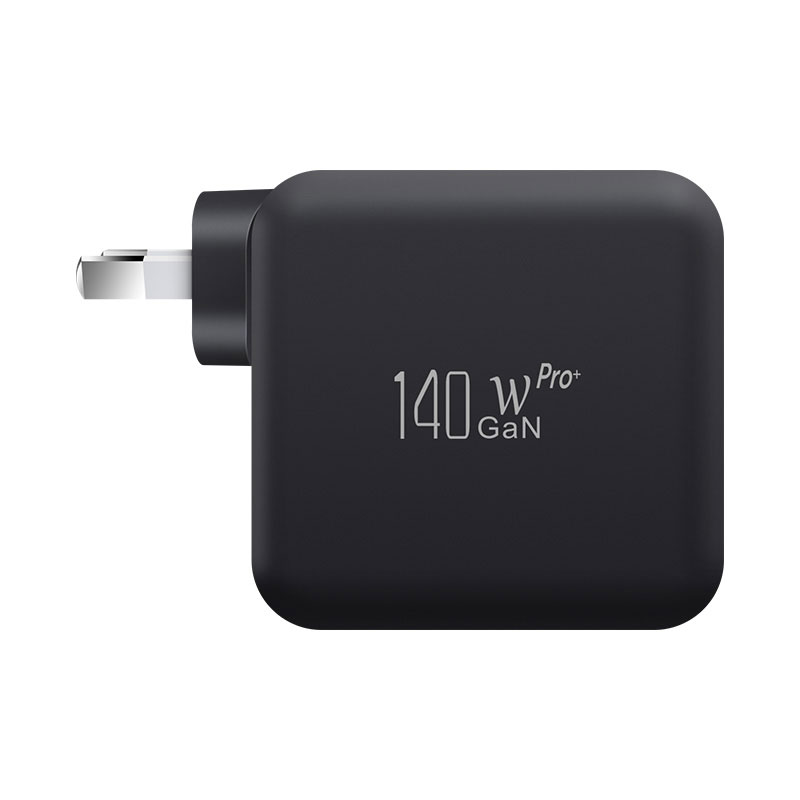
We want to include a 240W USB-C cable with our 140W charger (WEP-140-C) for the EU market. The charger has its own reports. Does the cable need separate certification?
Short answer: The cable needs its own compliance evidence, but usually not the same certificates as the charger. USB cables operate at low voltages, below the Low Voltage Directive’s range of 50–1000V AC and 75–1500V DC, so LVD doesn’t normally apply to them. RoHS, REACH and general product safety rules do. USB-IF certification is voluntary, but it’s the way to show the cable meets the USB specification and to use USB-IF logos.
What applies in the EU
- RoHS: cables are electrical and electronic equipment under RoHS. You need restricted-substance evidence and a technical file.
- REACH: SVHC information duties, for example regarding plasticisers in cable jackets.
- General Product Safety Regulation: the cable must be safe. For a 240W cable that means proper current rating, connector quality and an e-marker that reports correctly.
- EMC: passive cables are generally not covered on their own. An e-marked cable contains a chip, so check the position with your adviser.
- WEEE and packaging: producer obligations usually cover the cable along with the charger in a combined product.
Why USB-IF certification still matters
USB-IF certification confirms that a cable meets the USB Type-C and USB PD specifications, including e-marker data. It isn’t legally required in the EU, but retailers sometimes ask for it, and you can’t use USB-IF certified logos without it. For EPR (240W) cables, compliance with the specification matters: a cable that reports the wrong rating can lead to overheating or unexpected charging behaviour.
What to ask the supplier
- RoHS test reports for the cable materials, and a REACH SVHC statement.
- The e-marker chip details and a test or reading showing it reports 5A and EPR capability.
- Electrical test results: resistance, voltage drop and temperature rise at rated current.
- Whether the cable is USB-IF certified, and its TID number if so.
Bundled versus sold separately
A cable in the same box as the charger is still a product you place on the market. Some treat the bundle as one product, but the cable’s own evidence should be in the file either way. Confirm with Wecent which cable is used and which reports exist.
This summary isn’t legal advice; check scope questions with your compliance adviser.
Where this answer says confirm with Wecent, the detail is not published on the product page and has to come from the datasheet or the factory. General facts come from the standards bodies, regulators or device makers named in the text.
Three more perspectives
Products discussed in this thread

Related articles & topics
Have a sourcing question about your own programme?
Ask our team More Test reports, labels & documents questions