
Talk · Selection · Travel plugs, form factor & materials
Is a 240W charger better offered as a standard model or a custom one?
A 240W charger serves a small, demanding market, so start with a standard model unless a customer will commit to volume for a custom one.
 Wecent Editorial Team
Updated
2 min read
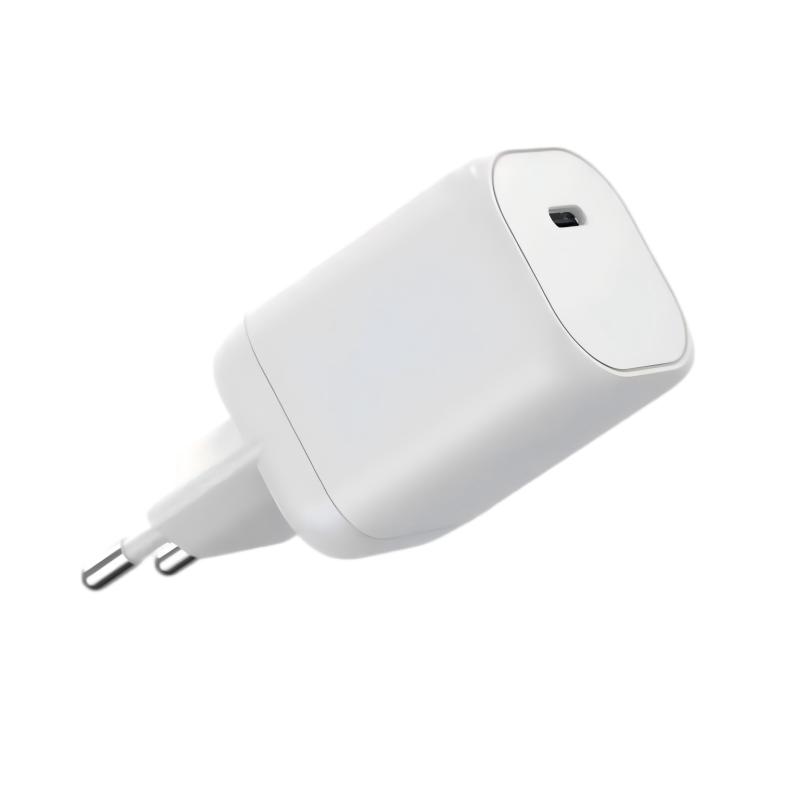
We are thinking about adding a 240W charger to our range. Should we make a standard model or a custom design for particular customers?
Short answer: A 240W charger serves a small, demanding market, so start with a standard model unless a customer will commit to volume for a custom one. Standard models share tooling and approvals, which reduces cost. A custom design makes sense when a customer needs special ports, size or branding and will pay for development and testing.
What 240W means
Very high power chargers are used for large laptops, workstations, gaming machines and some tools. At this power, heat, size, safety distances and cables all matter more. The power-delivery specification includes an extended power range for cables that carry the highest power, and devices and cables must match.
Standard model: advantages
- Shared tooling and approvals across customers.
- Lower unit cost at volume.
- Faster time to market.
- Easier support and spare parts.
Standard model: drawbacks
- Less differentiation.
- Customers cannot change ports or form factor.
Custom model: advantages
- Matches a customer’s devices and brand.
- Can include special features or form.
- Can lock in a long-term customer.
Custom model: drawbacks
- Development, tooling and certification cost.
- Longer lead time.
- Risk if the customer’s volume falls short.
Questions to ask
- How many units per year will the market take?
- Who pays for tooling and testing?
- Do customers need a particular cable or port?
- How hot does it run, and what size is acceptable?
- What safety and efficiency rules apply?
Plan the cable
High-power cables must be rated for the load and often carry special identification. Include a rated cable, or state clearly which cables are suitable.
Quick summary
Start with a standard model, develop a custom variant when a customer commits to volume and covers the cost.
Heat and size in practice
At very high power, even an efficient design wastes some energy as heat, and that heat has to leave the case. Expect a larger body than a 100W charger, a clear thermal design and temperature tests at full load. These tests take time and should be in the plan from the start.
Positioning in the range
A 240W model rarely sells in volume. It supports your brand as a top-of-range product and serves professional users who need it. Price it accordingly and do not expect it to carry the line. Many brands sell it mostly through specialist channels.
Where this answer says to confirm with Wecent, the detail is not published on the product page and has to come from the datasheet or the factory. General facts come from the regulators, standards bodies or device makers named in the text.
Three more perspectives
Products discussed in this thread


Related articles & topics
Have a sourcing question about your own programme?
Ask our team More Travel plugs, form factor & materials questions