
Talk · Selection · Travel plugs, form factor & materials
What flame rating should a charger shell material have?
Many mains-powered chargers use shell plastics with a UL 94 flame rating such as V-0, at the wall thickness used in the product, but the exact requirement comes from the safety standard and the design.
 Wecent Editorial Team
Updated
3 min read
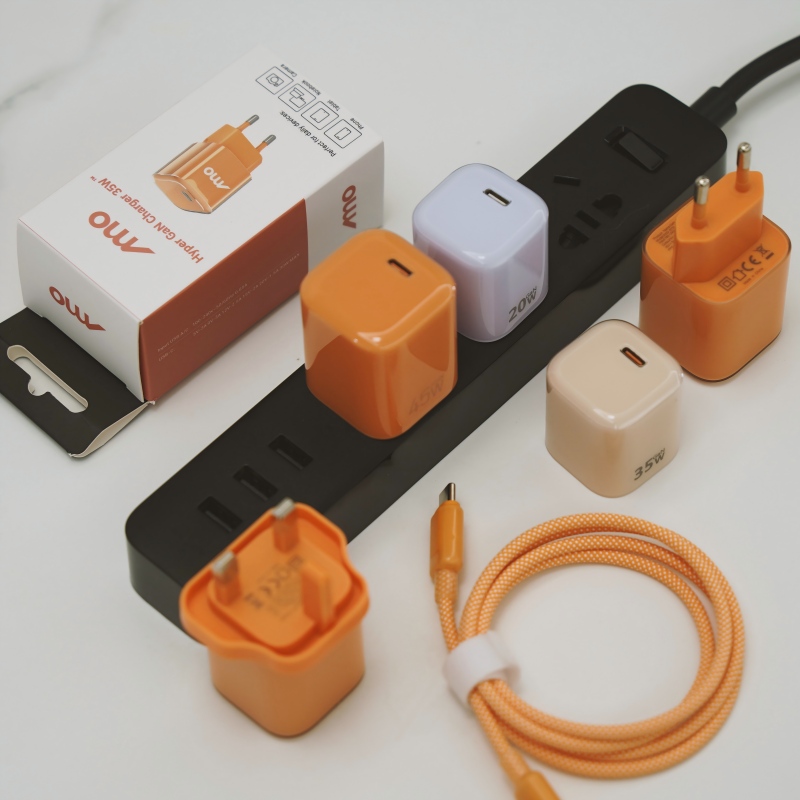
The factory says its charger shell is made from ‘fire-retardant ABS’. What flame rating should we ask for, and how do we check it?
Short answer: Many mains-powered chargers use shell plastics with a UL 94 flame rating such as V-0, at the wall thickness used in the product, but the exact requirement comes from the safety standard and the design. Ask for the material’s datasheet and listing, check the rating at your thickness and have your test lab confirm what applies.
What a flame rating is
UL 94 is a widely used test method that grades plastics by how they burn. Common grades for enclosures are V-0, V-1 and V-2, where V-0 is the most demanding of these, and HB is a lower grade. The rating applies at a stated thickness, so thin walls may have a lower rating than thick ones.
What the safety standard requires
Safety standards for chargers and power supplies set requirements for the enclosure, which can depend on the power level, the design and whether the plastic is a fire enclosure. Many designs use V-0 material for the part around live circuits, but the details come from the standard and the lab. Do not assume one rating fits all products.
What to ask the factory
- The plastic’s brand and grade.
- The flame rating and the minimum thickness it applies to.
- The listing or certificate that shows this, such as a recognised database entry.
- Colour: the rating can differ by colour, so check your colour.
- Whether regrind or additives are used.
How to check
- Look up the material in the listing database named on the datasheet.
- Check that colour, thickness and grade match.
- Measure the wall thickness on the actual shell.
- Make sure the report lists the same material.
Other materials
Coatings, labels and inner parts may also have flame requirements. Ask the lab about them.
Change control
A change of plastic supplier, colour or grade requires review. Do not allow substitution without approval.
Quick summary
Ask for the grade, thickness, colour and listing. Check with your lab which rating your design needs.
Example question to the lab
“Our shell uses a named plastic in a stated colour at a stated minimum wall thickness. Does the listing cover this combination, and what rating does the standard require for this product?” A question like this gets a clear answer you can file with the report, and prevents a late surprise at certification.
Where this answer says to confirm with Wecent, the detail is not published on the product page and has to come from the datasheet or the factory. General facts come from the regulators, standards bodies or device makers named in the text.
Three more perspectives
Products discussed in this thread
Related articles & topics
Have a sourcing question about your own programme?
Ask our team More Travel plugs, form factor & materials questions