
Talk · Selection · Travel plugs, form factor & materials
Which cable materials and colours (TPE, braided, silicone) suit a charger kit?
TPE is the standard, balanced choice: flexible, low cost and easy to colour.
 Wecent Editorial Team
Updated
3 min read
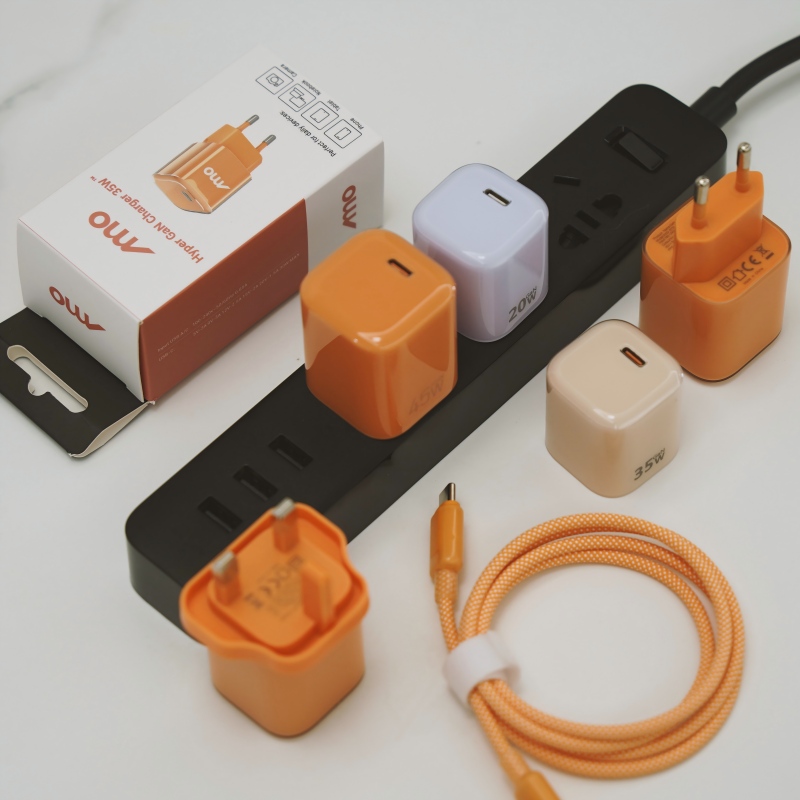
We are choosing a cable for a charger kit. How do TPE, braided and silicone cables compare, and how do we pick colours?
Short answer: TPE is the standard, balanced choice: flexible, low cost and easy to colour. Braided cables look premium and resist scuffs but can be stiffer and fray at the ends. Silicone feels soft and tangles less, though it can attract dust and stain. Pick by the use, the price point and the way the cable will be photographed and handled.
TPE
- Soft, flexible and widely used.
- Easy to produce in many colours.
- Good value, with moderate abrasion resistance.
- Cheaper ones can feel rubbery and tangle.
Braided nylon or polyester
- Looks premium and feels sturdy.
- Resists scuffs and bends well in the middle.
- Can be stiffer and wear at the connector if the braid is poor.
- Costs more and loose threads can fray.
Silicone
- Very soft and flexible, tangles little.
- Pleasant to the touch and good in the cold.
- Can attract dust and lint, and stain from dyes.
- Colour options depend on the grade.
What matters more than the outer material
The conductors, the connector build and the strain relief decide how long a cable lasts. A well-made TPE cable can outlast a poor braided one. Ask for bend tests and pull tests, not just a sample that feels good.
Choosing colours
- Match the charger housing, or use a clear contrast.
- Keep the palette small for stock and cost.
- Ask for a colour standard, such as a swatch or code, and a tolerance.
- Check that the colour of the cable and the housing match under daylight and store light.
- Avoid pale colours for kits that will be handled a lot, because they show dirt.
Price and positioning
Use TPE for volume and value kits, braided for premium and gift kits, and silicone for comfort-led lines.
Test before you decide
Handle samples for a few days and run bend, pull and abrasion tests on each type. Ask for production samples to confirm the same colour.
Quick summary
Choose TPE for value, braided for a premium look and silicone for softness, then check the conductors, connectors and strain relief, which decide life. Fix colours with a swatch and a tolerance, and test samples in use before you commit.
Sample plan
Ask for three samples of each candidate and use them daily for a week. Carry them in a bag, coil them tightly and plug and unplug them many times. Note which one tangles, which one frays and which one still looks good. Customers will do exactly the same, and this simple test predicts a lot of the feedback you will receive after launch.
Where this answer says to confirm with Wecent, the detail is not published on the product page and has to come from the datasheet or the factory. General facts come from the regulators, standards bodies or device makers named in the text.
Three more perspectives
Products discussed in this thread
Related articles & topics
Have a sourcing question about your own programme?
Ask our team More Travel plugs, form factor & materials questions