
Talk · Selection · Travel plugs, form factor & materials
Is a recycled-plastic shell realistic for a charger, and what does it do to colour consistency?
It can be realistic, but a charger shell has strict safety needs: flame resistance, heat resistance and strength.
 Wecent Editorial Team
Updated
2 min read
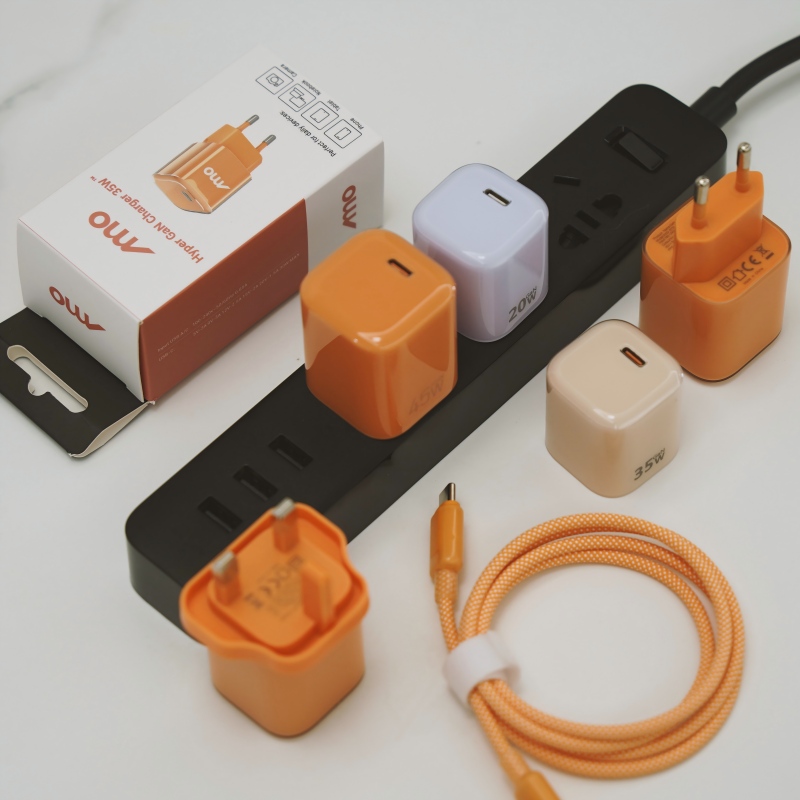
We would like to use recycled plastic for our charger shell. Is that realistic, and what will it do to colour consistency?
Short answer: It can be realistic, but a charger shell has strict safety needs: flame resistance, heat resistance and strength. Not every recycled grade meets them, and the certified material must match what you use. Colour is harder to control, so expect a narrower colour range and more variation. Plan a trial, with the laboratory involved from the start.
Why chargers are demanding
A charger shell sits near hot, live parts. It must resist fire, hold its shape under heat and survive drops. Standards require specific flame ratings and tests, and the material must be listed or evaluated for the use.
What can go wrong with recycled plastic
- Flame rating. Recycled blends may not hold the required rating, or may lack the evidence.
- Strength. Properties can vary from batch to batch.
- Heat resistance. Some recycled materials soften sooner.
- Odour and surface. Impurities can cause marks or smell.
- Colour. Recycled material starts with unpredictable colour, so dark colours are easier than white or bright shades.
What to ask for
- A material datasheet with the flame rating and thickness.
- Evidence that the grade is recognised by the lab for this use.
- Information on the recycled content and source.
- Batch records and quality control.
- A colour tolerance and a method to check it.
Colour consistency
Use darker, less demanding colours, such as black, grey or dark colours, accept a visible speckle or tone variation as part of the look and set a tolerance that suits recycled material. Avoid pure white if you need tight matching.
Plan a trial
Run a small batch, test the full approval set, including flame, heat, impact and ageing, and measure colour across several lots. Share results with the certifier before committing.
Marketing claims
Only claim recycled content that you can document, and state the share accurately.
Quick summary
Possible with the right grade, strong evidence and relaxed colour expectations. Start with a trial and involve the lab early.
Ask for a pilot lot
Before committing, ask for a pilot lot of a few hundred units with full documentation. Run the lab’s tests, check colour across the lot and let staff use the units for a few weeks. A pilot costs little compared with changing material after launch, and the data will support any sustainability claim you make.
Where this answer says to confirm with Wecent, the detail is not published on the product page and has to come from the datasheet or the factory. General facts come from the regulators, standards bodies or device makers named in the text.
Three more perspectives
Products discussed in this thread
Related articles & topics
Have a sourcing question about your own programme?
Ask our team More Travel plugs, form factor & materials questions