
Samples, tooling & launch: buyer questions
Sample rounds, tooling, custom colours, logo printing, packaging and launch planning for private-label chargers.
-
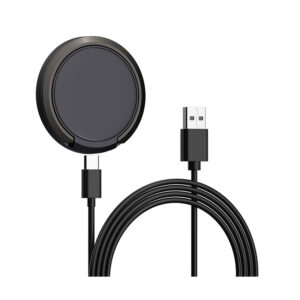
 How should a pilot run be sized before ordering 5,000 magnetic wireless chargers?
A pilot is not a fixed percentage.
-
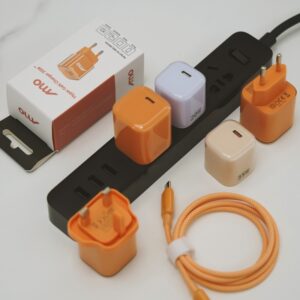 What should a charger sample’s test-data sheet show before we approve it?
It should identify the exact sample and test conditions, and show measured data for output voltage and current, load behaviour, efficiency and standby power, ripple, protection functions, temperature rise, and the safety and compliance tests relevant to the market.
-
 How do we handle a late change of plug type after cartons are packed?
Stop the shipment first and confirm the change in writing.
-
Is a matte or a glossy charger shell cheaper once yield is counted?
Often the matte, textured shell has the lower real cost, because texture hides small flaws such as flow lines, sink marks and scratches that a glossy finish shows.
-
How many units must we send to a test lab for charger certification?
There is no single number.
-
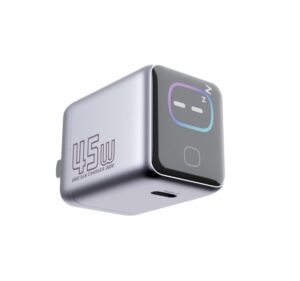
 How do we write a sample approval form so that later changes need a signature?
Use a one or two page form that names the sample, lists what was approved, states that any change to those items needs written approval and carries signatures from both sides.
-
How should the first order be split across colours?
Weight the order toward the colours with the strongest, most predictable demand, usually black and white, and keep other colours small or leave them for a second order.
-
What belongs on an approved-vendor list for critical charger components?
List the parts that affect safety, performance or compliance, such as the transformer, capacitors, fuse, controller chips, connectors, cable and plastic.
-
How should barcodes and carton labels be prepared at the factory for Amazon FBA?
Decide with Amazon's current inbound requirements which barcode each unit needs, then give the factory a clear label specification: the barcode, its size, its position and the text on the outer carton.
-
How do we build a bill-of-materials review into a charger OEM project?
Make the BOM part of the project plan with set review points: at quotation, before sample approval, before mass production and whenever the factory proposes a change.
-
Should we pay for dedicated tooling or use the factory’s open-tool shell for a first order?
For a first order, an open-tool shell is faster and far cheaper, and lets you test the market, but other buyers may have the same shape and you do not control the design.
-
How do we ask for a design-for-compliance review before ordering tooling?
A design-for-compliance review is a short check of your drawings and bill of materials by an experienced engineer or test lab before tooling is cut.
-
How many cavities should a charger shell mould have for a 10,000-piece first run?
For a 10,000-piece run, a single-cavity mould is often enough, because the moulding time is small compared with assembly and testing.
-
What retail box size fits a standard peg hook or hang-tab display?
There is no single box size for peg displays, because hooks, hole sizes and shelf spacing vary by retailer.
-
Can the factory run pre-compliance tests before we pay a certification lab?
Yes, and it usually saves money, but a factory's own results are a screening step. They cannot replace the accredited laboratory's report.
-
 How do we get EAN or UPC barcodes assigned for a private-label charger?
Barcodes should come from GS1, registered in your brand's name, before the factory prints your packaging. Do not let the factory choose or reuse numbers for you.
-
Who pays when a charger mould needs a design change after the first trial?
It depends on whether the change is a factory error or a new request from you. Write the rule into the tooling agreement before the mould is cut, not after the first trial.
-
What do we need to provide the factory for logo printing on a charger?
Provide vector artwork, exact colours, size and position on the product drawing, printing method preference, and any brand rules. Approve a printed sample before production and agree durability and inspection criteria.
-
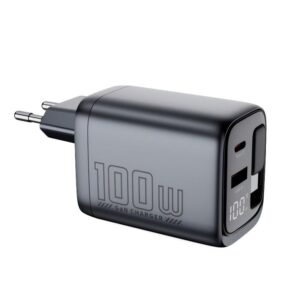 What should we ask about a retractable-cable charger before committing to volume?
Ask about the cable's rating and length, retraction cycle testing, what happens when the cable fails, warranty terms, test reports covering the built-in cable, and return rates from other customers. Then run your own use test on samples.
-
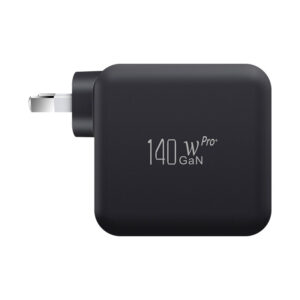 How do we plan a launch that needs both a charger and a matching cable?
Treat the cable as a product with its own specification, samples, documents and stock plan. Align sample approval, packaging, inspection and shipping for both, and test them together before launch.
-
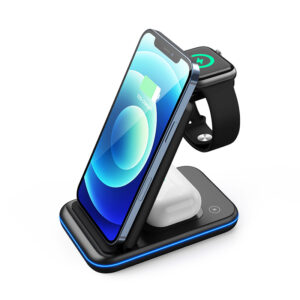 When does it make sense to pay for a custom gift box instead of a standard retail box?
A custom gift box pays off for corporate gifts, premium retail and seasonal campaigns where presentation affects price or brand impression. For marketplace sales and B2B bulk orders, a standard box usually wins on cost and lead time.
-
What should our purchase order specify about cables bundled with a charger?
Specify connector types, length, current rating and e-marker, USB data speed, jacket material and colour, any certification, packaging and labelling, and how the cable will be inspected. 'USB-C cable included' is not a specification.
-
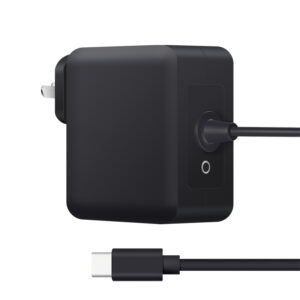 What should we ask before ordering a 200W charger as a premium desk SKU?
Ask how the 200W is shared across ports, what each port delivers alone and together, input and heat behaviour, cable requirements, test reports and support plans. Total wattage alone doesn't tell you what customers will get.
-
How do we budget for packaging artwork changes across EU, UK, US and AU versions?
Plan one master design with market-specific panels for markings, addresses, languages and plug types. Budget design hours, printing plates, proofs and minimum print runs per version, plus time for compliance review.
-
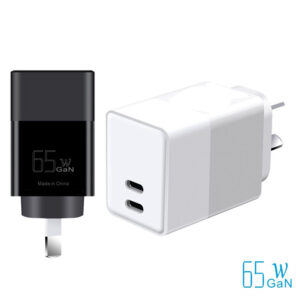 What does it cost us to switch from a stock colour to a custom Pantone shell?
A custom colour usually adds a colour-matching step, a masterbatch or paint cost, sometimes a higher MOQ, extra sample rounds and a compliance check on the new material. Ask for each item separately before deciding.
-
What should we check before re-ordering a charger model a year later?
Confirm the specification, components and test reports are unchanged, check labels against current rules, compare the new golden sample with the old one, and review a year of returns before you sign the re-order.
-
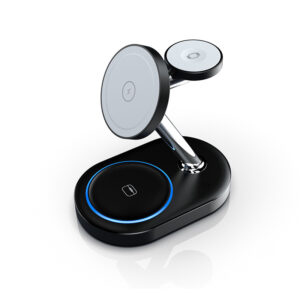 What information should our RFQ for wireless chargers include?
State the devices to charge, output per position, standard (Qi, Qi2, MagSafe-compatible), input adapter, target markets and certifications, branding and packaging, quantity, and timeline. Precise RFQs get comparable quotes.
-
How many sample rounds should we budget before a private-label GaN charger goes to mass production?
Plan on two or three rounds for a cosmetic private label, and more if anything functional changes. Each round should close named open points, not just look nicer.
-
What should a quote for a custom-colour 65W GaN charger include so we can compare suppliers fairly?
Unit prices only compare fairly when every quote has the same scope: colour, logo, packaging, documents, testing and Incoterm.