
Talk · Purchasing · Samples, tooling & launch
What should our purchase order specify about cables bundled with a charger?
Specify connector types, length, current rating and e-marker, USB data speed, jacket material and colour, any certification, packaging and labelling, and how the cable will be inspected. 'USB-C cable included' is not a specification.
 Wecent Editorial Team
Updated
3 min read
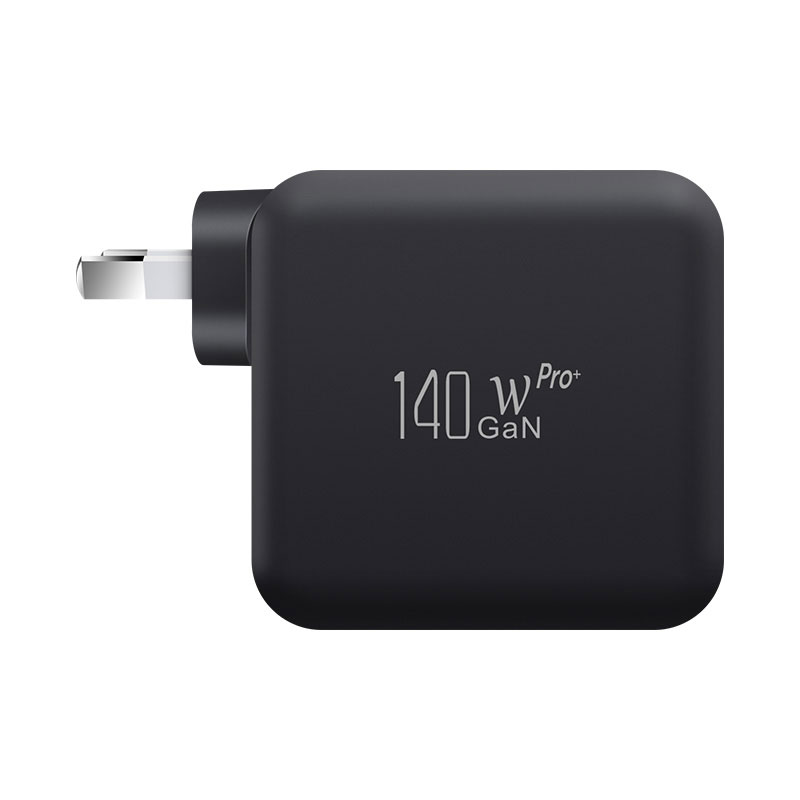
Our charger orders just say ‘with USB-C cable’. We had a batch where the cable was only 3A, so our 100W charger gave 60W. What should the PO say?
Short answer: Spell out the cable as its own item: connector types (USB-C to USB-C or USB-C to Lightning), length, current rating (3A or 5A), whether it is e-marked, EPR support if the charger goes above 100W, data speed if relevant, jacket material and colour, any certification, how it is packed and labelled, and the tests used at inspection. Attach a signed sample cable as the reference.
Why the cable needs its own specification
The cable decides what customers actually get from the charger. A 100W charger with a 3A cable delivers about 60W, because USB Power Delivery only allows more than 3A when the cable reports 5A capability through an e-marker. If the purchase order doesn’t fix the cable, a cheaper cable can appear in a later batch without anyone noticing until reviews arrive.
What to write
- Connectors: USB-C to USB-C, or USB-C to Lightning (and if so, whether MFi-certified).
- Length and tolerance: e.g. 1.0 m ± 2 cm.
- Current rating: 3A, or 5A e-marked; for chargers above 100W, an EPR (240W) cable.
- Data: USB 2.0 is typical for charging cables; specify if faster data is wanted.
- Jacket and colour: PVC, TPE or braided; colour code.
- Markings: any printing on the connector or jacket, such as wattage.
- Packaging: how the cable is coiled, tied and placed in the box.
- Documents: RoHS and REACH evidence for the cable materials; certification records if claimed.
Reference sample
Keep a signed reference cable with the golden sample. At inspection, compare cables with it: length, marking, flexibility, connector shape. Weight and jacket feel often reveal material substitutions.
Inspection tests
Ask the inspector to check e-marker capability with a USB-C tester on sampled cables, confirm the charger delivers the expected power with the bundled cable on a suitable laptop, and check connector retention and strain reliefs. These checks are fast and catch the most expensive mistakes.
Listing consistency
The listing and box must describe the cable correctly. “100W cable included” must be true for every unit. Mismatches lead to complaints and can trigger marketplace action.
Change control
Add the cable to your change-notification clause: no change of cable supplier, material or rating without written approval. Cables are among the parts most often swapped during shortages.
What to confirm with Wecent
Ask which cable is bundled with each charger model, its rating and e-marker status, and whether a 5A or EPR cable can be specified for higher-power models. Get the answer in writing and attach it to the purchase order.
Where this answer says confirm with Wecent, the detail is not published on the product page and has to come from the datasheet or the factory. General facts come from the standards bodies, regulators or device makers named in the text.
Three more perspectives
Products discussed in this thread

Related articles & topics
Have a sourcing question about your own programme?
Ask our team More Samples, tooling & launch questions