
Talk · Purchasing · Samples, tooling & launch
How should a pilot run be sized before ordering 5,000 magnetic wireless chargers?
A pilot is not a fixed percentage.
 Wecent Editorial Team
Updated
3 min read
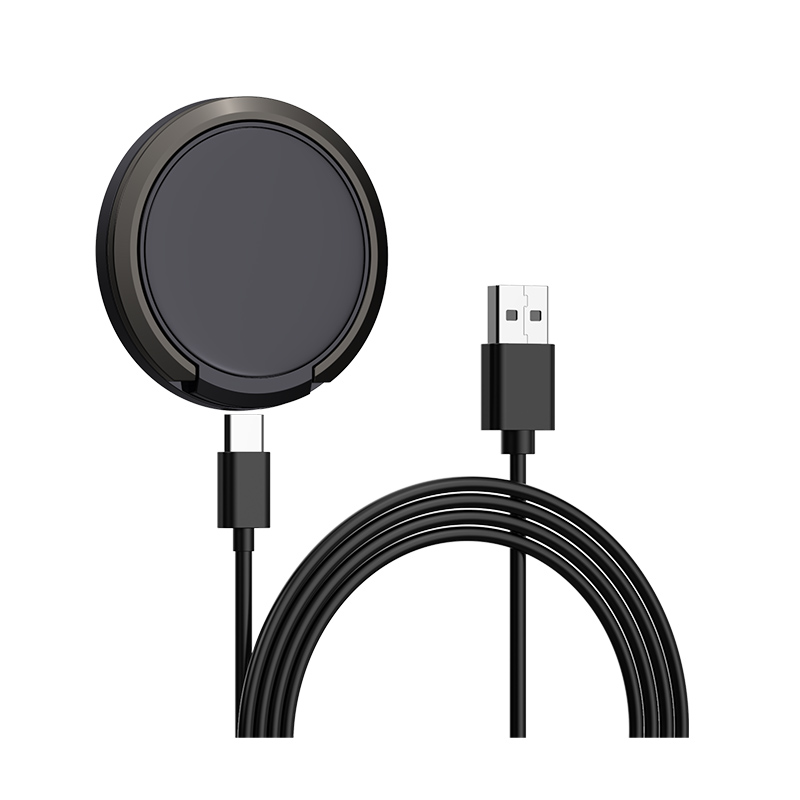
We plan to order 5,000 magnetic wireless chargers. How big should the pilot run be first?
Short answer: A pilot is not a fixed percentage. Size it to answer specific questions: does the production process make consistent units, do they pass the tests, and do real users get good results. Many buyers use a few dozen to a few hundred units made on the real line, plus a short field trial. Set acceptance limits in advance and decide before the pilot what result would stop the big order.
What a pilot is for
A pilot run is a small batch made on the production line with the final tooling and parts. It tests the process, not only the design. Engineering samples made by hand do not show what mass production will do.
What to learn
- Consistency. Do units match each other and the approved sample?
- Performance. Charging speed, heat, alignment and magnet hold across the batch.
- Yield. How many units fail inspection on the line?
- Reliability. What happens in ageing and drop tests?
- Compatibility. Do they work with the phones and cases your customers use?
- Packaging and labels. Are they correct?
- Compliance. Do units match the certified model?
How to size it
- Decide the questions and the acceptance limits first, for example the maximum defect rate you accept.
- Use statistics as a guide. A larger sample gives more confidence in the defect rate, but cost rises.
- Consider the order value and risk. For 5,000 units, a pilot of a few dozen to a couple of hundred units on the line is common, with extra units for testing and a few for the field trial.
- Include multiple lots of parts if you can, so that variation shows.
- Reserve units for tests that destroy them, such as drop and ageing tests.
- Split the units: line inspection, lab tests, internal use, and a field trial with a few real customers.
Field trial
Give a small group of real users the units for a few weeks. Collect comments and returns. A magnetic charger needs testing with real cases and phones.
Timing and cost
A pilot adds time before the main order. Plan the schedule to allow for fixes. The cost is small compared with a faulty 5,000 units.
Decide in advance
Write down what would make you pause, fix or cancel. Share it with the factory.
After the pilot
Review the data with the factory, fix the issues, and approve the production sample. Consider staging the main order in lots.
Quick summary
Size the pilot to the questions you need to answer, not to a fixed percentage. Set limits beforehand.
Where this answer says to confirm with Wecent, the detail is not published on the product page and has to come from the datasheet or the factory. General facts come from the regulators, standards bodies or device makers named in the text.
Three more perspectives
Products discussed in this thread
Related articles & topics
Have a sourcing question about your own programme?
Ask our team More Samples, tooling & launch questions