
Talk · Purchasing · Samples, tooling & launch
Who pays when a charger mould needs a design change after the first trial?
It depends on whether the change is a factory error or a new request from you. Write the rule into the tooling agreement before the mould is cut, not after the first trial.
 Wecent Editorial Team
Updated
3 min read
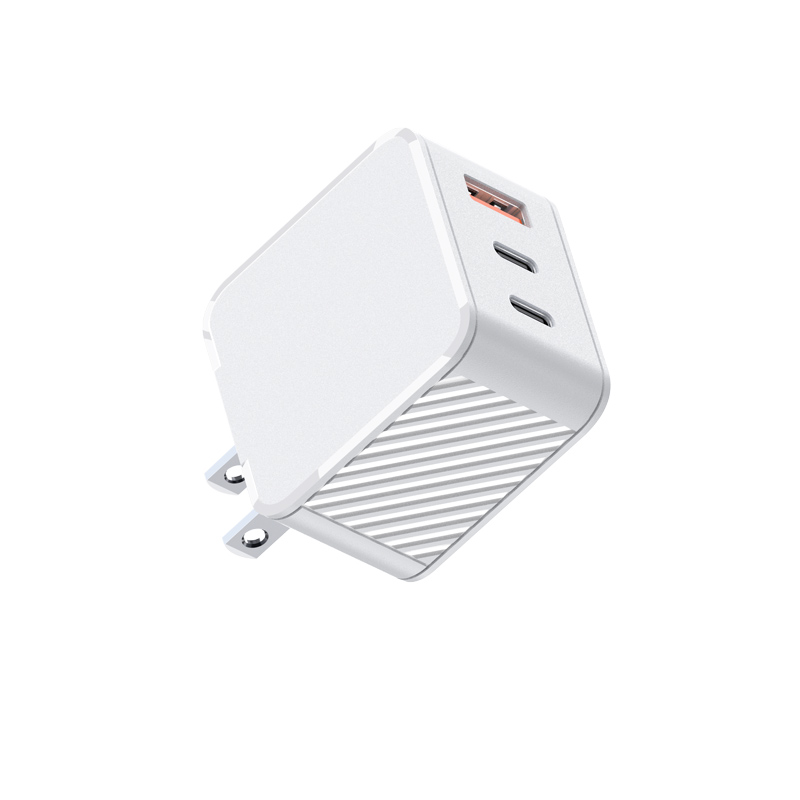
We ordered a custom shell for our charger. The first trial samples fit poorly around the plug blades, and the factory says a mould change will cost extra. We think it is their error. How do we decide who pays, and how do we avoid this argument next time?
Short answer: Payment normally follows the cause. If the shell does not match the drawing you approved, that is a factory correction. If the change is something new you want, it is your cost. The only reliable way to avoid an argument is to record the approved drawing, the tolerances and the trial findings in writing before the mould is cut.
Start with the facts
Compare the trial sample with the approved 3D files and drawings. Measure the specific problem, for example the gap around the plug blades, and compare it with the tolerance on the drawing. If the sample is outside the stated tolerance, the shell does not conform to what was agreed. If it is inside tolerance and you do not like the result, you are asking for a change.
Three common situations
- Factory error. The shell does not match the approved drawing or the mould was cut incorrectly. The factory should correct it at its own cost and time.
- Drawing gap. The drawing did not specify something that matters, such as a fit tolerance or a gap. This is shared: agree who covers the cost and fix the drawing so it does not happen again.
- Buyer change. You ask for a new feature, a different dimension or a finish change. This is normally your cost, plus any delay it causes.
What to put in the tooling agreement
- Approved files. A version-numbered 3D model and drawing, with tolerances for critical features such as plug-blade fit, port openings and seam lines.
- A change rule. A short clause stating that changes after sign-off are quoted before they are made, with cost and time.
- Trial acceptance. What the T1 or T2 sample must pass, and who signs the trial report.
- Number of corrections. How many correction rounds the quoted tooling price includes.
- Mould ownership. Who owns the mould and where it stays. See our guide on mould ownership.
How to record the trial
Take photos of the problem with a ruler or caliper in view, record measurements, and write a short numbered list of the findings. Ask the factory to confirm in writing what it will change and when. Keep everything in one thread.
How to reduce the risk
Ask the factory to run a tolerance check on critical fits before steel is cut, and do a fit test with a 3D-printed or soft-tool sample. A small pre-tooling review is usually cheaper than a mould change.
Where this answer says to confirm with Wecent, the detail is not published on the product page and has to come from the datasheet or the factory. General facts come from the regulators, standards bodies or device makers named in the text.
Three more perspectives
Products discussed in this thread

Related articles & topics
Have a sourcing question about your own programme?
Ask our team More Samples, tooling & launch questions