
Talk · Maintenance · Stock, warehouse & retail handling
How should power banks and chargers be stored together or separately in a warehouse?
Treat power banks as lithium-battery goods and store them with more care than plain chargers.
 Wecent Editorial Team
Updated
3 min read
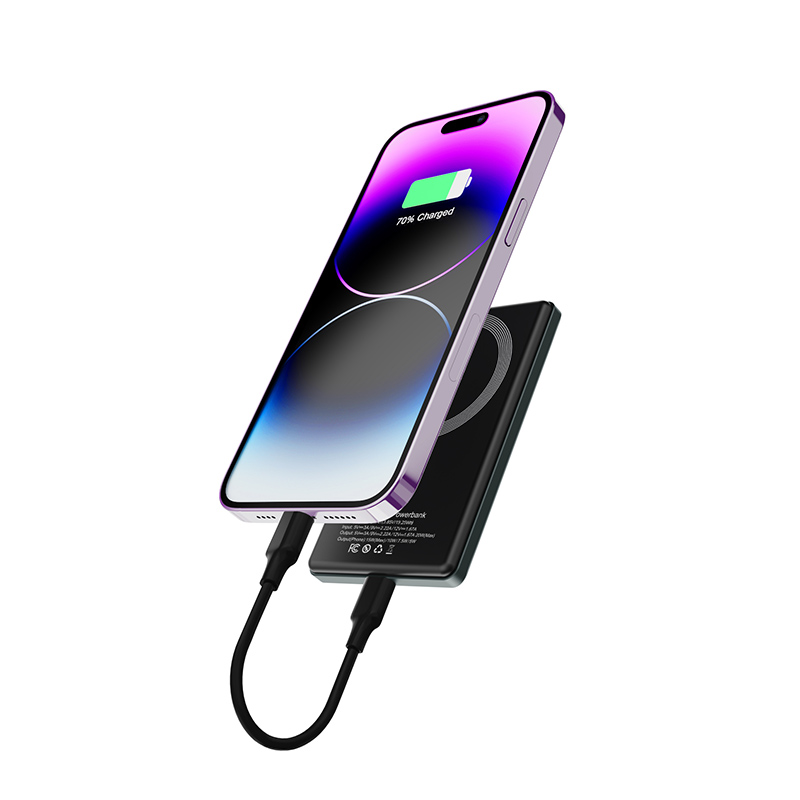
We store power banks and ordinary chargers in the same warehouse. Should they be stored together or separately, and what precautions do we need?
Short answer: Treat power banks as lithium-battery goods and store them with more care than plain chargers. Keep them in a cool, dry area, away from combustible stock, separate damaged or returned units and follow limits agreed with your insurer and the local fire authority. Plain chargers carry far less risk and can share space with ordinary electronics.
Why power banks need more care
Power banks contain lithium-ion batteries. If a battery is damaged, short-circuited or overheated, it can fail and burn intensely. Chargers without batteries do not have this risk.
Basic storage principles
- Separate area. Keep power banks in a designated zone, apart from cardboard-heavy stock, flammable materials and heat sources.
- Cool and dry. Avoid hot spots, direct sun and damp areas.
- Original packaging. Keep units boxed, to protect terminals.
- Tidy and stable. Prevent falling and crushing.
- Limit quantities. Follow the amounts agreed with your insurer and the local authority.
Damaged and returned items
Quarantine swollen, dented, hot or wet batteries immediately. Place them in a non-flammable container, away from other stock, and arrange safe disposal through a suitable recycler. Never return a damaged power bank to stock.
Chargers
Ordinary chargers and cables are low risk. They can be stored with general electronics, still in dry conditions and in cartons that protect plugs and cables.
Consult the right people
Speak to your insurer, the fire authority and the warehouse operator about lithium-battery storage rules, sprinklers, detection and permitted quantities. Requirements vary by location and by the amount of stock.
Procedures
- Train staff to recognise damaged batteries.
- Write a procedure for incidents.
- Check the area regularly for heat, swelling and damage.
- Keep an emergency plan and the right equipment.
Quick summary
Segregate and protect power banks, keep damaged units apart and check local rules. Ordinary chargers need ordinary care.
Example layout
Mark a bay near an exit, away from racking with packaging materials, and use it only for power banks. Place chargers and cables in the general electronics area. Add signs and a floor line so staff know where each type belongs, and review the layout whenever stock volumes change.
Stock rotation
Use first-in, first-out so that older stock does not sit for years. Batteries age, and a power bank that has sat for a long time may be flat or damaged. Record the date codes and check older units before shipping them.
Sources checked on 24 Oct 2026: FAA PackSafe: Lithium batteries.
Where this answer says to confirm with Wecent, the detail is not published on the product page and has to come from the datasheet or the factory. General facts come from the regulators, standards bodies or device makers named in the text.
Three more perspectives
Products discussed in this thread

Related articles & topics
Have a sourcing question about your own programme?
Ask our team More Stock, warehouse & retail handling questions