
Talk · Selection · Travel plugs, form factor & materials
When should a charger have a captive cable instead of ports?
A built-in cable is convenient and ensures the right cable is always with the charger, so it suits travel chargers and single-device products.
 Wecent Editorial Team
Updated
3 min read
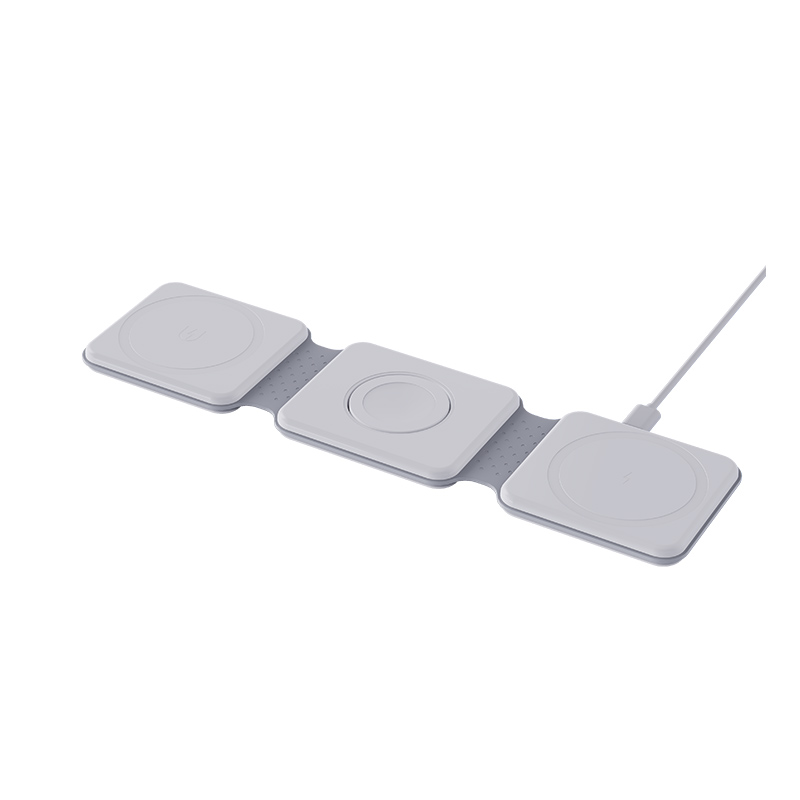
We are choosing between a charger with a fixed built-in cable and one with ports. Which suits which product?
Short answer: A built-in cable is convenient and ensures the right cable is always with the charger, so it suits travel chargers and single-device products. A port-only design is more flexible and easier to repair, since a worn cable can be swapped. Choose by who will use it, how many devices it serves and how likely the cable is to fail.
Captive cable: advantages
- Nothing to forget, and the cable is matched to the charger.
- Neat and compact, especially in travel kits.
- Can be wrapped around the body for storage.
- Good for gifts and promotions.
Captive cable: disadvantages
- If the cable fails, the whole charger may be unusable.
- Only one connector type, which limits the device range.
- The cable end can become a weak point if strain relief is poor.
- Usually a single device at a time.
Ports: advantages
- Users choose the cable they need, in any length.
- A worn cable can be replaced, without replacing the charger.
- Several ports can serve several devices.
- Better for desks, cars and shared use.
Ports: disadvantages
- Users need to carry or find a cable.
- Cables of poor quality may be used, which causes problems.
- Slightly bulkier overall.
How to decide
- Who uses it: a traveller with one device, or a home with many?
- How long it needs to last, and how often it moves.
- Whether a replacement cable is easy to buy.
- How much the extra port hardware costs compared with a cable.
- How the product will be repaired or returned.
Design points for a captive cable
- Strong strain relief at both ends.
- A cable rated for the charger’s power.
- Bend and pull tests with a high number of cycles.
- Clear cable management on the body.
Quick summary
Choose a captive cable for simple, single-device travel products, and ports for flexible, multi-device and long-life products.
Quick check before you decide
Ask three people to use both formats for a week. Note how often each loses a cable, how often a cable fails and which one they would buy again. Real feedback beats opinions in a meeting room, and it costs only a few samples.
Middle options
Some products use a detachable cable that is supplied in the box, or a captive cable plus a spare port. Think about whether a hybrid gives most of the benefit without the drawback of a single point of failure.
Where this answer says to confirm with Wecent, the detail is not published on the product page and has to come from the datasheet or the factory. General facts come from the regulators, standards bodies or device makers named in the text.
Three more perspectives
Products discussed in this thread

Related articles & topics
Have a sourcing question about your own programme?
Ask our team More Travel plugs, form factor & materials questions