
Talk · Compliance · EU, UK & other-market rules
What traceability information must a charger carry under the EU GPSR?
Under GPSR, manufacturers must make sure products carry a type, batch or serial number, and the manufacturer's name, trademark, postal and electronic address. Importers add their own details. Where size doesn't allow, information goes on packaging or a document.
 Wecent Editorial Team
Updated
3 min read
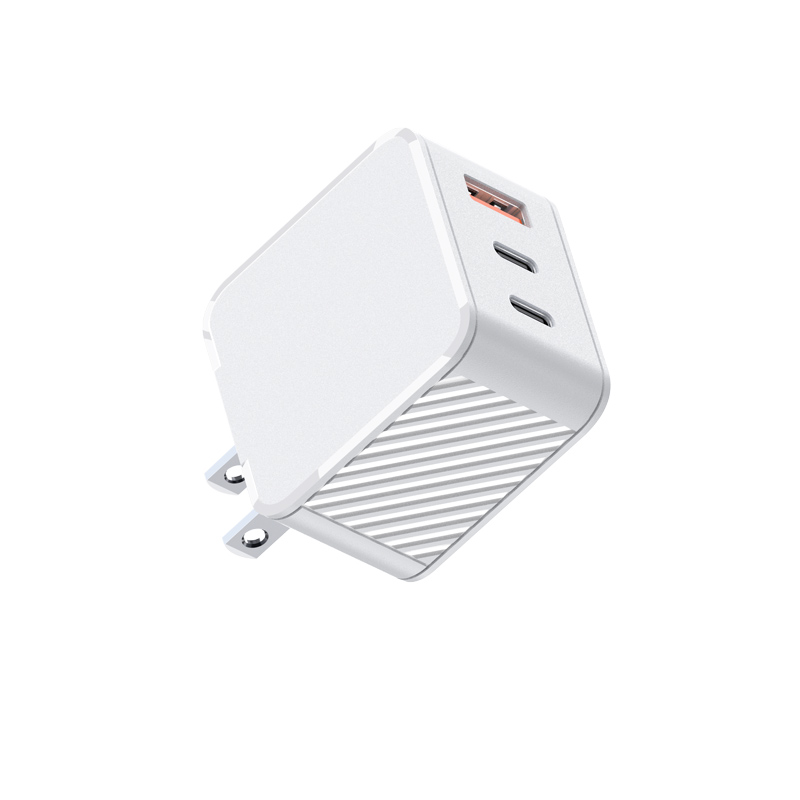
Our charger labels show the model and CE marking. Under the EU GPSR, what traceability information do we need to add?
Short answer: Under the General Product Safety Regulation (EU) 2023/988, applying from 13 December 2024, manufacturers must ensure their products bear a type, batch or serial number or other element allowing identification, and indicate their name, registered trade name or trademark, and a postal and electronic address. Importers must add their name, trade name or trademark and contact details. If the product’s size or nature doesn’t allow it, the information can be on the packaging or an accompanying document. For CE-marked products, similar requirements already exist in the product legislation, and an EU-based economic operator must be identified.
Product identification
Each charger should carry a model or type identifier and a batch or serial number. Batch codes allow targeted recalls and support investigations of complaints.
Manufacturer details
The manufacturer is the company that places the product on the market under its name or trademark. If you sell under your brand, that’s you. Your name or trademark and a postal and electronic address (email or website contact) must appear.
Importer details
If the manufacturer is outside the EU, the importer adds its name, registered trade name or trademark and contact details.
EU responsible person
Under the Market Surveillance Regulation (EU) 2019/1020, products subject to certain EU harmonisation legislation, including the LVD, EMC Directive and RED, may only be placed on the market if there is an economic operator established in the EU responsible for certain tasks, and its contact details must be indicated on the product, packaging, parcel or an accompanying document. GPSR applies a similar rule to consumer products in general.
Where to put it
Ideally on the product label. For small chargers, batch codes and brand can go on the product, with full addresses on the packaging. Make sure information is legible.
Online sales
GPSR requires online listings to show the manufacturer’s name and contact details, the EU responsible person where applicable, product identification (including a picture and type), and warnings or safety information. Marketplaces now ask for these fields.
Practical steps
- Add batch codes to every product label.
- Check the manufacturer and importer details on product and packaging.
- Identify the EU responsible person.
- Update marketplace listings with GPSR information.
- Keep a record of which batches went to which customers.
Confirm label artwork with Wecent so batch codes are printed reliably. Check the regulation text on EUR-Lex; this summary isn’t legal advice.
Where this answer says confirm with Wecent, the detail is not published on the product page and has to come from the datasheet or the factory. General facts come from the standards bodies, regulators or device makers named in the text.
Three more perspectives
Products discussed in this thread


Related articles & topics
Have a sourcing question about your own programme?
Ask our team More EU, UK & other-market rules questions