
Talk · Compliance · EU, UK & other-market rules
Which documents should a charger importer keep ready for EU market surveillance?
Authorities can ask for the Declaration of Conformity and the technical documentation, and expect them quickly. The importer has to be able to produce them, even if the factory wrote them.
 Wecent Editorial Team
Updated
3 min read
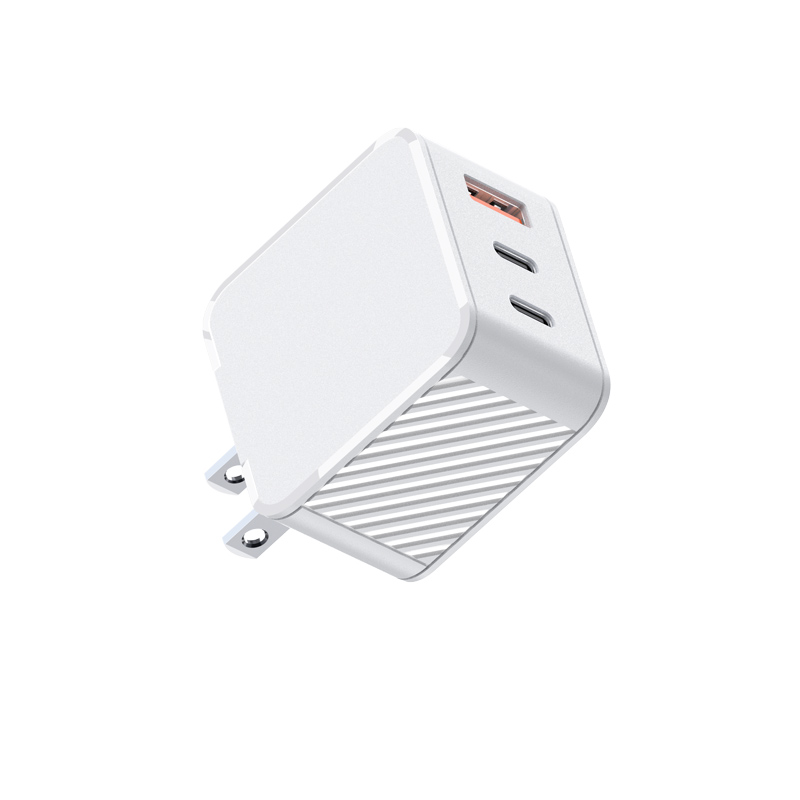
We import a branded 65W charger into the EU from a Shenzhen factory. A trade contact said market surveillance authorities sometimes request documents with short deadlines. What exactly should we keep on file, and what can stay with the factory?
Short answer: Hold the EU Declaration of Conformity and make sure you can provide the technical documentation on request. That means test reports, the risk assessment, the design description, the parts list and labels. Keep traceability records showing which batches you placed on the market. EU product legislation says importers keep the DoC and can make the technical documentation available for 10 years after the product was placed on the market.
What the rules ask of an importer
Under the EU’s product framework (the Low Voltage, EMC and RoHS Directives, which follow the New Legislative Framework), importers must check that the manufacturer has carried out conformity assessment and drawn up the technical documentation. They must check that the product carries the CE marking and the required documents, and that the importer’s own name and contact address are on the product or packaging. They must keep a copy of the Declaration of Conformity and make sure the technical documentation can be made available to authorities on request, for 10 years.
A practical file per model
- The EU Declaration of Conformity (signed, listing the directives and standards).
- Safety test report (IEC/EN 62368-1), EMC test reports, and RoHS evidence.
- Product description, photos, the rating label and marking artwork.
- User manual and safety information in the languages of your markets.
- Ecodesign information for external power supplies (Regulation 2019/1782), where it applies.
- REACH SVHC information, as needed to meet the duty to communicate.
- Records of the batches or date codes you imported and to whom you sold them.
What can stay with the factory
Detailed design files such as schematics and layouts often stay with the manufacturer. That is fine if your agreement obliges them to deliver the documentation to the authority, or to you, within a short deadline. Write that obligation into the supply agreement and test it once by asking for the full file.
Common gaps
- A DoC naming another brand or importer.
- Reports for a slightly different model number.
- Label artwork changed after testing.
- No traceability linking a complaint to a batch.
Requirements also come from the General Product Safety Regulation and market-specific rules. Have your compliance partner confirm what applies to your product. For which reports Wecent can issue under your brand, confirm with Wecent.
Where this answer says confirm with Wecent, the detail is not published on the product page and has to come from the datasheet or the factory. General facts come from the standards bodies, regulators or device makers named in the text.
Three more perspectives
Products discussed in this thread


Related articles & topics
Have a sourcing question about your own programme?
Ask our team More EU, UK & other-market rules questions