
Talk · Compliance · EU, UK & other-market rules
How do we handle battery rules for a magnetic power bank?
Power banks bring battery-specific requirements on top of charger rules: transport testing (UN38.3), battery safety standards, EU Battery Regulation obligations, labelling and take-back. Plan these before the first shipment.
 Wecent Editorial Team
Updated
3 min read
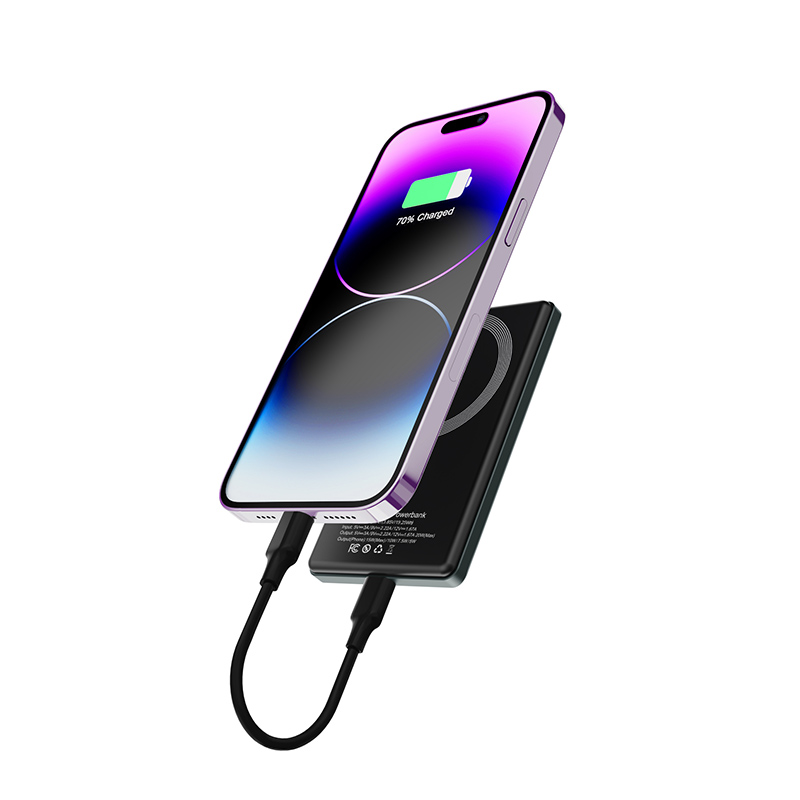
We plan to add Wecent’s magnetic power bank to our EU range. Our charger documents are in order, but what extra rules apply because it contains a battery?
Short answer: Several. Lithium batteries need a UN38.3 test summary for transport, and shipments follow dangerous-goods rules. Battery safety is usually shown with IEC 62133-2 testing. In the EU, the Battery Regulation (EU) 2023/1542 applies alongside CE directives, with producer registration and take-back duties in each country and labelling requirements being phased in. The wireless function also falls under RED. Confirm with Wecent which reports they can provide.
Transport
- UN38.3: lithium cells and batteries must pass the UN Manual of Tests and Criteria section 38.3 before transport. Carriers and forwarders ask for the test summary.
- Dangerous goods: sea and air shipments of lithium batteries in equipment have packing and documentation rules. Your forwarder will specify what they need.
- MSDS/SDS: often requested by forwarders as well.
Safety
Battery safety testing is commonly to IEC 62133-2 for lithium cells and batteries in portable applications. The power bank’s electrical safety and charging circuitry are typically covered by IEC/EN 62368-1. Wireless charging adds RED requirements in the EU and FCC in the US.
EU Battery Regulation
Regulation (EU) 2023/1542 replaced the old Battery Directive and applies from 18 February 2024, with obligations phased in. Key points for sellers:
- Producer registration in each EU country where batteries are placed on the market, and extended producer responsibility for collection.
- Labelling requirements, including the separate collection symbol and further information that phases in over time.
- Restrictions on certain substances.
The exact dates and details of each obligation should be checked against the regulation and national guidance; several apply in stages.
WEEE as well
The power bank as equipment also falls under WEEE. Producer obligations may apply under both battery and WEEE rules.
Documents to ask for
- UN38.3 test summary.
- IEC 62133-2 report or certificate.
- Safety, EMC and RED test reports for the complete product.
- RoHS and REACH declarations.
- Battery specification: chemistry, capacity, watt-hours.
Marketplaces
Marketplaces often ask for UN38.3 summaries, safety data sheets and battery information before listing power banks, and may classify them as dangerous goods for their fulfilment centres. Prepare these early.
Airline rules
Include the watt-hour rating on the label, as airlines use it for passenger limits. Most ask that power banks be carried in cabin baggage.
This is a summary. Confirm current obligations with your compliance adviser and the relevant national authorities.
Where this answer says confirm with Wecent, the detail is not published on the product page and has to come from the datasheet or the factory. General facts come from the standards bodies, regulators or device makers named in the text.
Three more perspectives
Products discussed in this thread
Related articles & topics
Have a sourcing question about your own programme?
Ask our team More EU, UK & other-market rules questions