
Talk · Compliance · EU, UK & other-market rules
What must a charger’s EU Declaration of Conformity include?
Product identification, manufacturer details, the directives and standards applied, a statement of conformity, and a signature with place and date. It must match the product and labels exactly.
 Wecent Editorial Team
Updated
3 min read
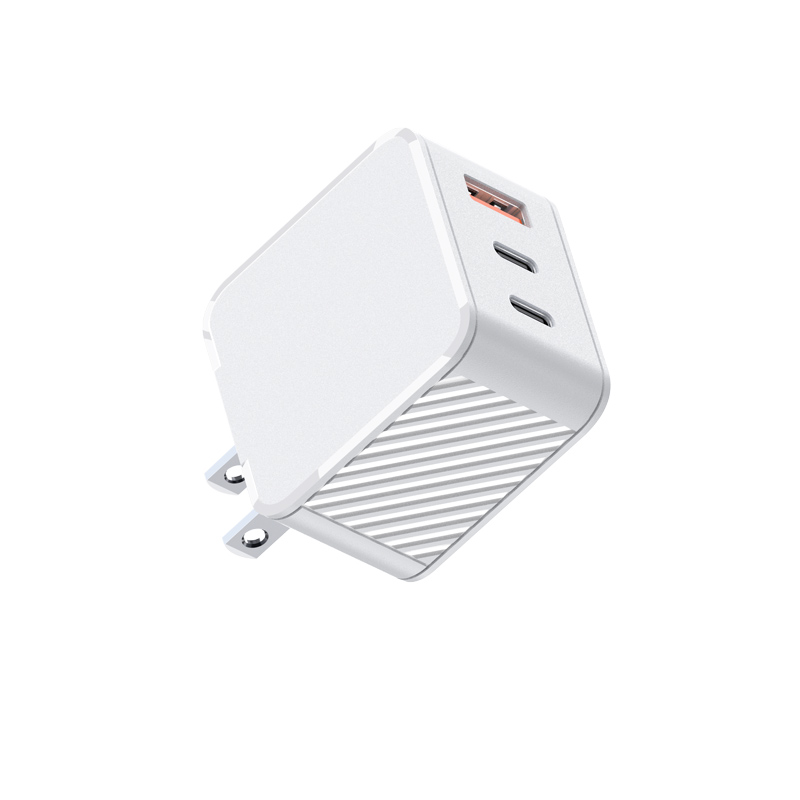
Our factory sent a draft Declaration of Conformity for our branded 65W charger. What should a correct DoC contain, and what should we check before signing it?
Short answer: A DoC typically contains: product identification (model, type, batch range if relevant), the manufacturer’s name and address, a statement that it’s issued under the manufacturer’s sole responsibility, the object of the declaration, the EU legislation it conforms to, the harmonised standards or specifications applied, any notified body involved, and the signature, name, function, place and date. For several directives, a single DoC is used.
Typical content
- Product model or type identification.
- Name and address of the manufacturer (and authorised representative, if any).
- Statement: “This declaration of conformity is issued under the sole responsibility of the manufacturer.”
- Object of the declaration, with enough detail to identify the product, sometimes with a picture.
- The EU legislation it complies with, for example Directives 2014/35/EU (LVD), 2014/30/EU (EMC) and 2011/65/EU (RoHS), or 2014/53/EU (RED) for wireless chargers.
- References to the harmonised standards or other specifications applied, with edition dates.
- Notified body details, where one was involved.
- Additional information, place and date of issue, name and function of the signatory, and signature.
The Ecodesign regulation for external power supplies is also usually referenced where it applies.
What to check before signing
- The model number matches your label and packaging.
- Your company is named as manufacturer if you sell under your own brand.
- The standards listed match the test reports, with correct editions.
- The directives listed fit the product: RED for wireless chargers, not LVD plus EMC.
- The signatory works for the manufacturer named on the DoC.
Language and availability
The DoC should be available in a language required by the member state where the product is sold. It must accompany the product or be available as required by the directive. Check the specific rules for your product.
Common mistakes
Copying the factory’s DoC with its name as manufacturer, listing outdated standard editions, and omitting the RoHS directive are frequent errors.
Keeping it current
Update the DoC when standards are revised, when the product changes, or when your company details change. Keep previous versions with dates.
This is a summary based on the EU’s common framework. For the exact structure, see the annexes of the relevant directives on EUR-Lex. Confirm with Wecent which data the factory can provide for your DoC.
Where this answer says confirm with Wecent, the detail is not published on the product page and has to come from the datasheet or the factory. General facts come from the standards bodies, regulators or device makers named in the text.
Three more perspectives
Products discussed in this thread

Related articles & topics
Have a sourcing question about your own programme?
Ask our team More EU, UK & other-market rules questions