
Talk · Compliance · EU, UK & other-market rules
Do we need a WEEE registration in each EU country?
Yes, generally. WEEE producer obligations are national: producers register in each member state where they place electrical equipment on the market. Sellers without an establishment in a country selling directly there usually appoint an authorised representative.
 Wecent Editorial Team
Updated
2 min read
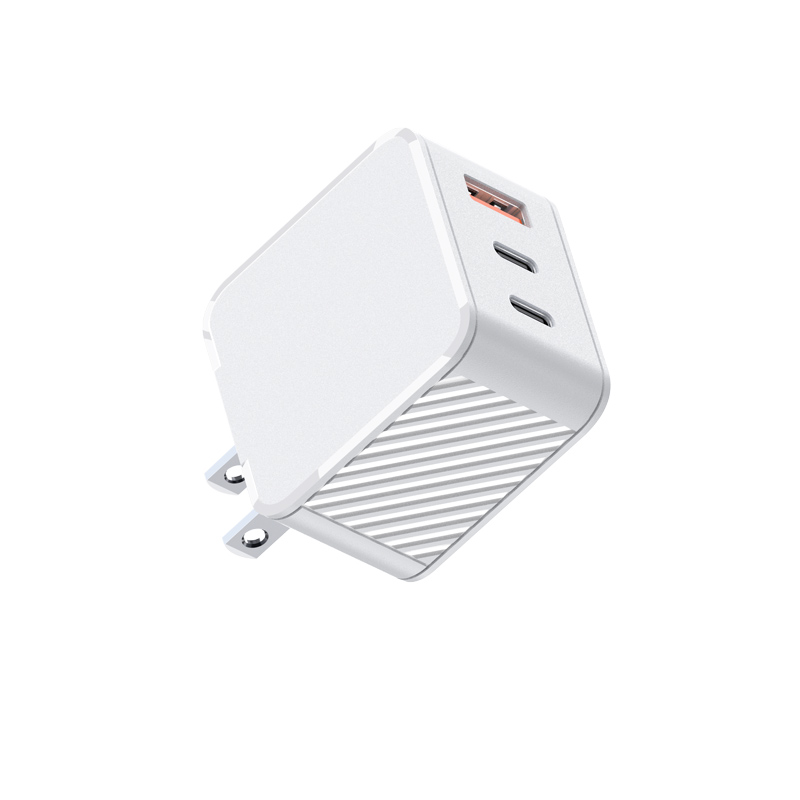
We’re registered for WEEE in Germany. We now sell chargers to consumers in France, Italy and Spain too. Does the German registration cover them?
Short answer: No. The WEEE Directive 2012/19/EU is implemented nationally, and producer registration is per member state. If you place chargers on the market in France, Italy and Spain, you need to meet producer obligations in each, usually through registration with the national register and membership of a compliance scheme. If you sell directly to consumers there without being established in the country, Article 17 of the directive allows, and member states may require, the appointment of an authorised representative.
Who is the producer
Under the WEEE Directive, the producer is the party that places the product on the market in a member state: the manufacturer selling under its brand, the importer, the reseller under its own brand, or a distance seller selling directly to end users in another country. Each of these may have obligations in the country concerned.
National registration
Each member state has a register for WEEE producers, such as stiftung ear in Germany. Registration typically involves company details, product categories, brands and expected quantities. Registration in one country doesn’t cover another.
Authorised representative
Producers not established in a member state can appoint an authorised representative there to fulfil their obligations. For distance sellers, many member states require it.
Compliance schemes
Most producers join a compliance scheme, which organises collection and recycling and handles reporting. Fees depend on product category and quantity.
Reporting
Producers report quantities placed on the market, usually monthly, quarterly or yearly, depending on the country.
Marketplaces
Online marketplaces in several countries must check that sellers have valid WEEE registrations before allowing sales of electrical products. Missing registrations can lead to listing blocks.
Selling through distributors
If a local distributor imports and places products on the market, the distributor may be the producer in that country. Clarify in contracts who registers.
Batteries and packaging
Power banks also bring battery producer registration, and packaging has its own EPR rules in many countries. These are separate from WEEE.
Practical steps
- List countries where you sell directly or through distributors.
- Decide who is the producer in each.
- Register or appoint authorised representatives.
- Join compliance schemes and set up reporting.
Check each country’s official register for current requirements; this summary isn’t legal advice.
Where this answer says confirm with Wecent, the detail is not published on the product page and has to come from the datasheet or the factory. General facts come from the standards bodies, regulators or device makers named in the text.
Three more perspectives
Products discussed in this thread


Related articles & topics
Have a sourcing question about your own programme?
Ask our team More EU, UK & other-market rules questions