
Talk · Compliance · EU, UK & other-market rules
What are the rules for CE marking size and placement on a charger?
The CE marking must keep its prescribed proportions, be at least 5 mm high unless the product's legislation says otherwise, and be visible, legible and indelible on the product or its data plate. Only if that's impossible can it go on packaging and documents.
 Wecent Editorial Team
Updated
3 min read
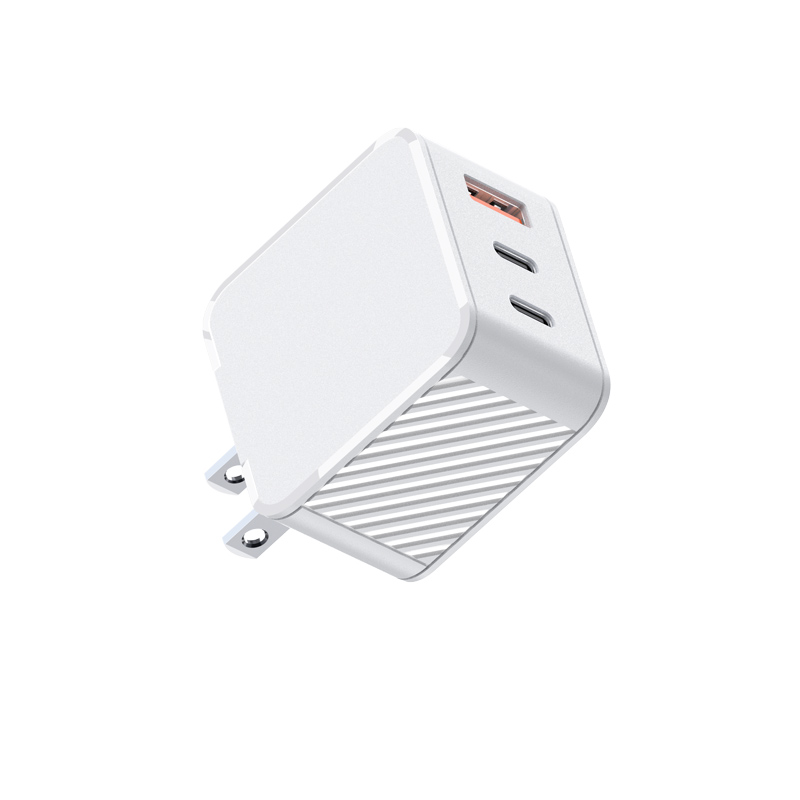
Our designer made the CE mark very small and light grey on the charger to keep it minimal. Are there rules about CE marking size and placement?
Short answer: Yes. Under Regulation (EC) No 765/2008 and Annex II of Decision No 768/2008/EC, the CE marking must follow the prescribed graphic with its proportions, be at least 5 mm high unless the specific legislation provides otherwise, and be affixed visibly, legibly and indelibly to the product or its data plate. It can go on the packaging and accompanying documents only where the product’s nature doesn’t allow it on the product. A tiny, faint mark may fail the ‘visible and legible’ requirement.
The legal basis
Article 30 of Regulation (EC) No 765/2008 sets general principles for the CE marking. Annex II of Decision No 768/2008/EC defines the graphic. Product legislation such as the Low Voltage Directive and Radio Equipment Directive refers to these rules, sometimes with additional details.
Graphic and proportions
The CE marking uses a specific design of the letters C and E based on circles. If it’s enlarged or reduced, its proportions must be kept. Redrawing it with a different font isn’t allowed.
Minimum size
The marking must be at least 5 mm high, unless the relevant legislation allows otherwise. Small products sometimes have exceptions in specific legislation, but chargers usually have enough space for 5 mm.
Visible, legible and indelible
The marking must be easy to see and read and must not wear off in normal use. Very light colours on white housings, or printing that rubs off, can fail these requirements. Moulded or laser-etched markings and durable pad printing are common methods.
Placement
The marking goes on the product or its data plate, normally alongside the rating information. If that’s impossible due to the product’s nature, it can be on packaging and accompanying documents. For chargers, the product label is the normal place.
Other marks nearby
The CE marking can be followed by a notified body identification number where a notified body was involved. Other marks may be added if they don’t impair the visibility, legibility and meaning of the CE marking or confuse users.
Common mistakes
- Wrong proportions or redrawn letters.
- Marking smaller than 5 mm.
- Low-contrast printing.
- Marking only on packaging when the product has space.
- Printing that wears off after a few weeks.
Check with your designer
Use the official CE graphic, check the height on the final artwork at actual size, and test durability on samples. Agree the label artwork with Wecent and keep it in the technical file.
Where this answer says confirm with Wecent, the detail is not published on the product page and has to come from the datasheet or the factory. General facts come from the standards bodies, regulators or device makers named in the text.
Three more perspectives
Products discussed in this thread


Related articles & topics
Have a sourcing question about your own programme?
Ask our team More EU, UK & other-market rules questions