
Talk · Use · Everyday home & office use
Can a charger be used with a non-original cable?
Yes, if the cable is well made and rated for the power needed. A 3A cable is fine for phones and up to 60W; laptops above 60W need a 5A e-marked cable, and above 100W an EPR (240W) cable. Damaged or unmarked cables are the real risk.
 Wecent Editorial Team
Updated
3 min read
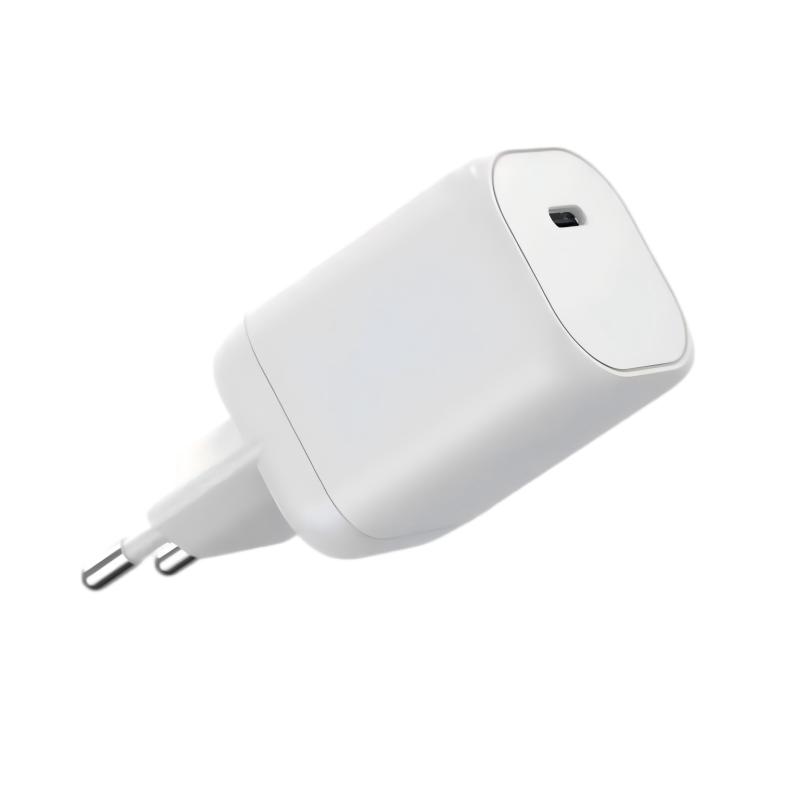
Customers ask whether they must use the cable that came with our charger, or whether any USB-C cable will do. What should we tell them?
Short answer: Any well-made USB-C cable with the right rating will work. For phones, tablets and laptops up to 60W, a standard 3A USB-C cable is enough. Above 60W (more than 3A at 20V), USB Power Delivery requires a 5A e-marked cable; above 100W, an EPR cable rated 240W. A lower-rated cable won’t cause the charger to push too much current, because the charger limits power to what the cable reports, but charging will be slower. Avoid damaged, unbranded or unrated cables.
How the charger knows the cable
USB-C cables that carry more than 3A contain an electronic marker (e-marker) chip that tells the charger the cable’s capability. Without an e-marker, the charger assumes 3A. That’s why a 100W charger paired with a basic cable typically gives up to 60W.
Which cable for which device
- Phones and earbuds: any good 3A USB-C cable.
- Tablets and small laptops up to 60W: a 3A cable.
- Laptops 61–100W: a 5A e-marked cable.
- Laptops above 100W (EPR): a 240W-rated EPR cable.
- Lightning devices: a USB-C to Lightning cable; Apple’s MFi programme covers certified third-party ones.
Signs of a poor cable
- Charging slower than expected with a known-good charger.
- Charging that cuts in and out when the cable moves.
- Warm plugs or cable.
- Loose fit in ports or visible damage.
Certification
USB-IF certified cables have been tested to the USB specifications. Certification isn’t required for a cable to be sold, but it gives confidence in ratings, especially for 5A and EPR cables. Be wary of cheap cables advertising very high wattages without clear specifications.
Length
Longer cables have more resistance, which can reduce charging speed slightly at high currents. For laptop charging, 1–2 metres is a sensible range.
What to put in your guidance
“You can use other USB-C cables. For laptops above 60W, use a 5A cable; above 100W, use a 240W cable. Don’t use damaged cables.” That’s short and accurate.
Warranty
Think about your warranty wording. Excluding damage caused by “non-original cables” is hard to apply in practice; focus on damage from misuse or damaged accessories instead. Confirm Wecent’s warranty terms for your models.
Our cables
Confirm with Wecent the rating and e-marker status of each cable you bundle or sell, so listings state it accurately.
Where this answer says confirm with Wecent, the detail is not published on the product page and has to come from the datasheet or the factory. General facts come from the standards bodies, regulators or device makers named in the text.
Three more perspectives
Products discussed in this thread

Related articles & topics
Have a sourcing question about your own programme?
Ask our team More Everyday home & office use questions