
Talk · Selection · Wireless, magnetic & multi-device
Does wireless charging use more electricity than a cable?
Yes, wireless charging is generally less efficient, because energy is lost as heat when it moves through the air between two coils.
 Wecent Editorial Team
Updated
2 min read
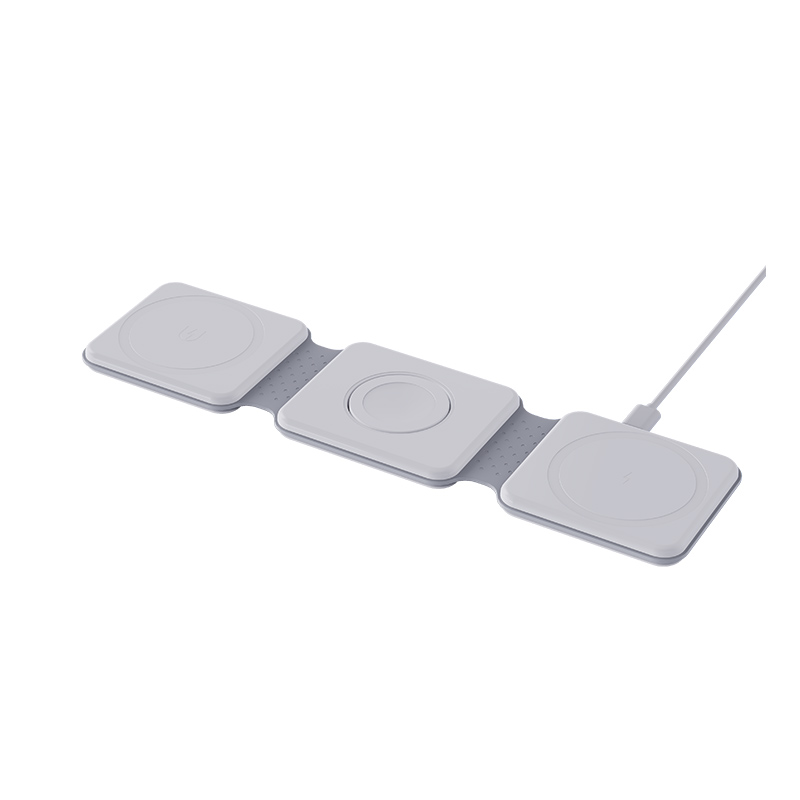
Is it true that wireless charging wastes more electricity than plugging in a cable? How much more, and does it matter?
Short answer: Yes, wireless charging is generally less efficient, because energy is lost as heat when it moves through the air between two coils. The same battery fill takes more energy from the wall. For one phone the extra cost is small, but it adds up across many devices and years, and it also creates more heat in the phone.
Why wireless uses more
With a cable, the charger sends energy through a wire to the phone. With a wireless pad, energy is first turned into a magnetic field, picked up by a coil in the phone and turned back into electricity. Each step loses a little, and the gap between the coils adds more. The lost energy becomes heat.
How much more
Efficiency depends on the pad, the phone, the alignment and the case. A well-aligned, good pad is closer to a cable than a poorly aligned one. Misalignment, thick cases and low-quality pads waste more. Tests by independent reviewers often show that wireless charging draws more energy from the wall than a cable for the same charge, but the exact difference varies, so look for measured results for your own set-up.
Does it matter?
- For one phone. The yearly cost difference is typically small.
- For many devices. It adds up in homes and offices with several pads.
- For heat. Extra heat is also a concern for the battery and for the pad.
Ways to reduce waste
- Centre the phone on the pad.
- Use a thin case, or none, on the pad.
- Choose a pad with a clear alignment guide or a magnetic ring that holds the phone in place.
- Use a cable at night, when you do not need convenience.
- Unplug pads that are not in use.
- Pick a good-quality pad with a stated efficiency or a recognised mark.
For brands
Do not claim that wireless charging is as efficient as a cable unless you have test data. State the conditions of any efficiency claim, such as the phone, the power level and the distance.
Quick summary
Wireless charging is a convenience trade-off: a little more energy and heat for no cable. Good alignment and a good pad keep the loss small.
Where this answer says to confirm with Wecent, the detail is not published on the product page and has to come from the datasheet or the factory. General facts come from the regulators, standards bodies or device makers named in the text.
Three more perspectives
Products discussed in this thread

Related articles & topics
Have a sourcing question about your own programme?
Ask our team More Wireless, magnetic & multi-device questions