
Talk · Use · Everyday home & office use
Does wireless charging wear out a battery faster than wired charging?
Battery ageing is driven mainly by heat, time at high charge and cycles. Wireless charging tends to run warmer, so good placement and cool conditions matter, but sensible wireless use doesn't by itself ruin a battery.
 Wecent Editorial Team
Updated
3 min read
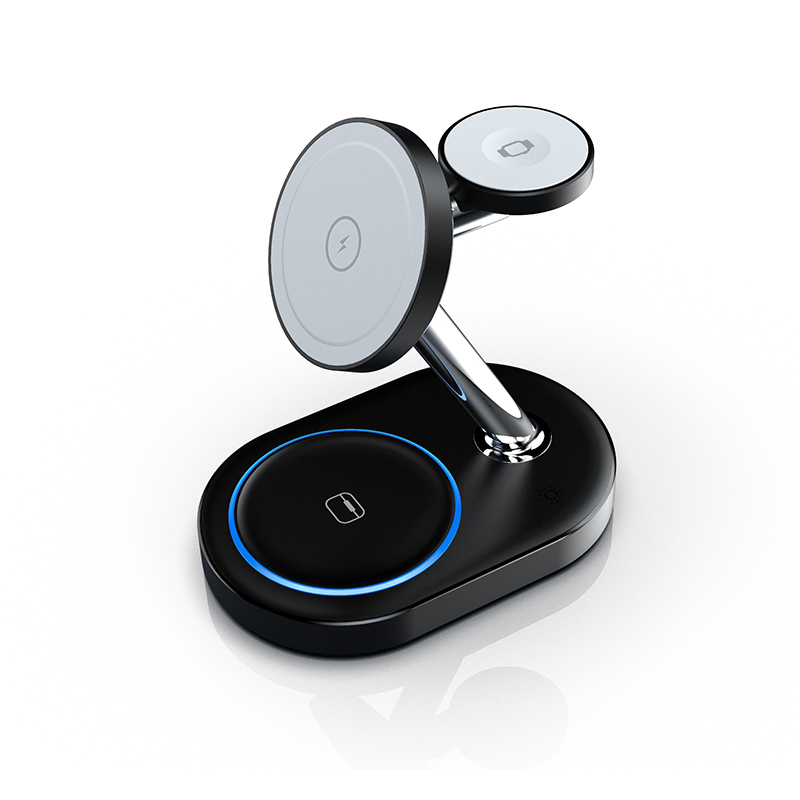
A customer asked whether using our wireless pad every day will wear their phone battery out faster than a cable. What’s an honest answer?
Short answer: The honest answer is: it can, slightly, mainly because of heat. Lithium-ion battery ageing depends on temperature, time spent at high charge and the number of cycles. Wireless charging is less efficient than a cable, so the phone runs warmer. With good alignment, no thick case, a cool location and the phone’s optimised charging on, the difference for most users is modest. We can’t give a percentage; it depends on the phone and conditions.
What wears a battery
- Heat: higher temperatures speed up chemical ageing.
- High charge levels: long periods near 100% add stress, especially when warm.
- Cycles: each full charge and discharge adds wear, regardless of the charging method.
Where wireless differs
Wireless charging transfers energy through magnetic coupling between coils, and some energy becomes heat in both charger and phone. Phones monitor temperature and slow charging if needed, which limits the effect but also slows charging. Misalignment and thick cases make coupling less efficient and add heat.
Where it doesn’t differ
The number of cycles is the same for the same use. Charging a phone from 30% to 80% wirelessly or by cable is one partial cycle either way. Wireless doesn’t add cycles.
Practical tips for users
- Centre the phone on the coil; magnetic chargers help.
- Remove thick cases, wallets or metal accessories.
- Use the charger on a hard surface in a cool place, not in sun or on bedding.
- Keep optimised or adaptive charging switched on.
- If the phone is very warm while gaming or navigating, use a cable instead.
What we can and can’t say
We can say that heat is the main factor and that good use reduces it. We can’t claim that a specific charger “protects your battery” or quote a percentage difference without data. Phone makers publish guidance on battery care for their devices; refer customers to it.
Chargers designed for lower heat
Charger design affects heat: coil quality, alignment magnets, thermal design and foreign object detection all matter. Ask Wecent which models include temperature protection and how they manage heat, before mentioning these features in listings.
Bottom line for customers
“Wireless charging is convenient and fine for daily use. Keep the phone centred, cool and out of thick cases, and let the phone’s battery features do their job.”
Where this answer says confirm with Wecent, the detail is not published on the product page and has to come from the datasheet or the factory. General facts come from the standards bodies, regulators or device makers named in the text.
Three more perspectives
Products discussed in this thread
Related articles & topics
Have a sourcing question about your own programme?
Ask our team More Everyday home & office use questions