
Talk · Selection · Wireless, magnetic & multi-device
Which materials (ABS, aluminium, bamboo, silicone) suit a premium wireless-charger gifting line?
ABS is the practical base: cheap, safe around the coil and easy to finish.
 Wecent Editorial Team
Updated
2 min read
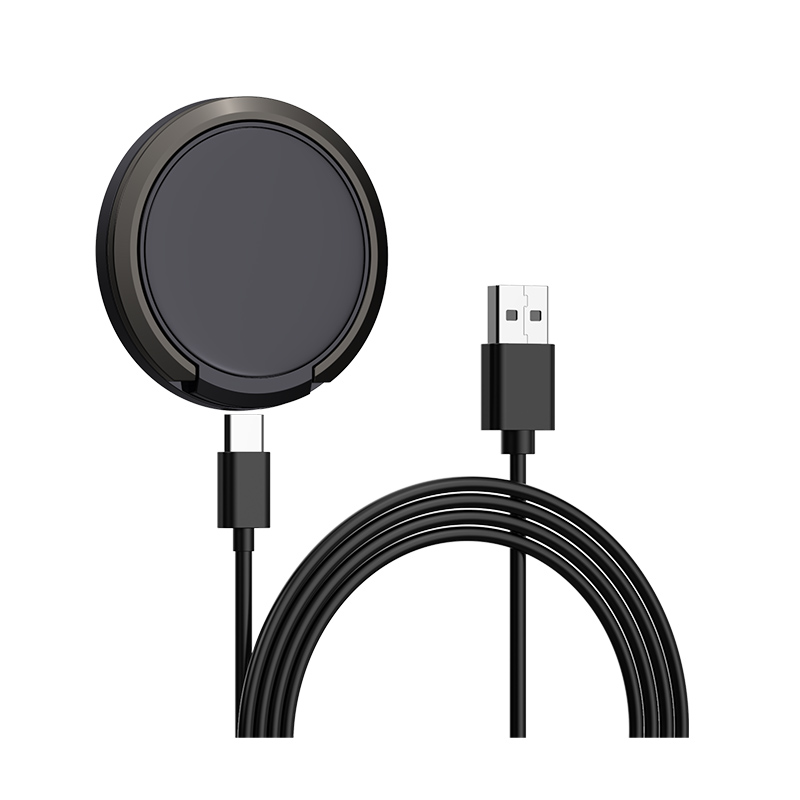
We want a premium gifting line of wireless chargers. How do ABS, aluminium, bamboo and silicone compare as materials?
Short answer: ABS is the practical base: cheap, safe around the coil and easy to finish. Aluminium looks premium but blocks and heats from the magnetic field if it sits over the coil, so it must be placed carefully. Bamboo gives a natural look but needs finishing and care. Silicone feels soft and grips, but attracts dust. Choose by look, performance and testing.
The central problem
Wireless charging works through a magnetic field. Metal over the coil absorbs energy, makes heat and can block charging. So materials on the charging surface must let the field through.
ABS and similar plastics
- Transparent to the field, safe over the coil.
- Easy to mould, colour and coat.
- Lower cost.
- Can look ordinary unless finished well.
Aluminium
- Premium look and feel, good heat spreading.
- Cannot cover the coil, so it is used in the base or the sides.
- Needs careful design to avoid heat and detuning.
- Higher cost and weight.
Bamboo and wood
- Natural look, popular for gifts.
- A thin layer over the coil lets the field through.
- Needs finishing against moisture and cracking.
- Natural variation means colour and grain differ.
Silicone
- Soft, grippy and pleasant to touch.
- Field passes through, and the phone stays in place.
- Attracts dust and lint, and can stain.
- Needs a suitable grade and good colour control.
How to choose
- Decide the look and the price.
- Keep the charging surface non-metallic.
- Test charging speed and heat with each material.
- Check flame-rating and certification for the parts near live circuits.
- Ask for samples and handle them.
Combinations
Many premium products combine materials: an aluminium base, a plastic or silicone surface over the coil and a bamboo accent. This gives the look without hurting performance.
Gift packaging
Match the packaging to the material, so the product looks as premium as it feels.
Quick summary
Plastic for the core, metal for style away from the coil, bamboo and silicone for feel. Test everything.
Decision test
Hold samples of each material and ask five people which looks and feels most premium. Then measure charging speed and surface temperature on the same pad design with each surface. The best choice is the one that wins on both feel and performance, not only on looks.
Where this answer says to confirm with Wecent, the detail is not published on the product page and has to come from the datasheet or the factory. General facts come from the regulators, standards bodies or device makers named in the text.
Three more perspectives
Products discussed in this thread
Related articles & topics
Have a sourcing question about your own programme?
Ask our team More Wireless, magnetic & multi-device questions