
Talk · Selection · Wireless, magnetic & multi-device
What is a magnetic wireless charger, and how does it differ from a flat pad?
A magnetic wireless charger uses magnets to snap the phone into the right position over the charging coil.
 Wecent Editorial Team
Updated
2 min read
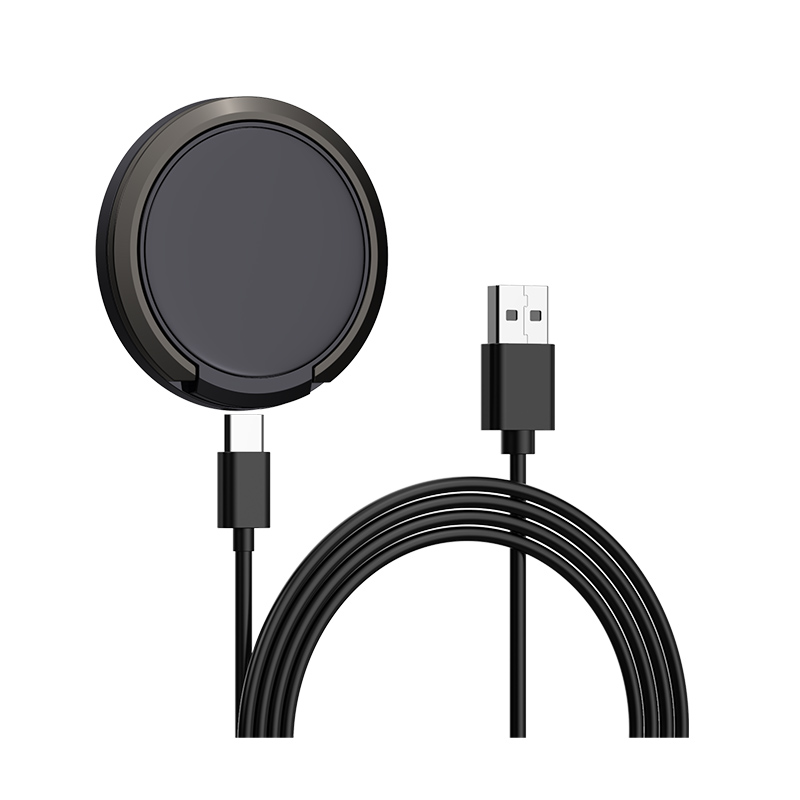
What is a magnetic wireless charger, and how is it different from an ordinary flat wireless pad?
Short answer: A magnetic wireless charger uses magnets to snap the phone into the right position over the charging coil. A flat pad has no magnets, so you place the phone by eye. The magnets give better alignment and a firm hold, which helps in cars and on stands, but they need a compatible phone or case and are affected by thick cases.
The basic idea
Both types send power through the air from a coil in the charger to a coil in the phone. The coils must be close and lined up for good charging. The difference is how alignment is achieved.
Flat pad
- Alignment: manual. You place the phone and may have to adjust it.
- Compatibility: works with most wireless-charging phones and cases.
- Hold: none, so the phone can slide.
- Case: works with moderate cases, but thick ones weaken the link.
- Price: generally lower.
Magnetic charger
- Alignment: automatic. The magnets pull the phone into the right place.
- Compatibility: works best with phones or cases made for magnetic charging. Other phones may need a magnetic ring or case.
- Hold: firm, useful on stands, desks, bedside units and cars.
- Case: thin, magnet-ready cases work well. Thick or non-magnetic cases weaken or break the hold.
- Price: often higher.
Pros of magnets
- Fewer failed charges from misalignment.
- The phone can be held at an angle or lifted while charging.
- It suits stands and mounts, including those on car dashboards.
Cons
- Needs the right phone or case.
- Metal or thick accessories can interfere.
- Heat is still a factor.
- It may cost more.
Speed
The charging speed depends on the pad, the phone, the adapter and the cable. Magnets do not make charging faster, but they keep it consistent by holding alignment.
Choosing
- Check your phone and its case.
- Decide how you will use it: desk, bedside, travel or car.
- Look at the adapter that is included or needed.
- Read about the case thickness limit.
- Test the grip with your own phone.
For sellers
Tell customers clearly which phones and cases work, and the maximum case thickness.
Quick summary
Magnets give alignment and grip, but you need a compatible phone or case.
Where this answer says to confirm with Wecent, the detail is not published on the product page and has to come from the datasheet or the factory. General facts come from the regulators, standards bodies or device makers named in the text.
Three more perspectives
Products discussed in this thread
Related articles & topics
Have a sourcing question about your own programme?
Ask our team More Wireless, magnetic & multi-device questions