
Talk · Troubleshooting · Heat, noise & safety signs
Why does a wireless charger interfere with a bedside radio or speaker?
Wireless chargers and their power adapters create electromagnetic fields and switching noise. Radios, especially AM, and some speakers can pick this up. Moving devices apart, using a different adapter or socket usually helps; persistent strong interference should be reported.
 Wecent Editorial Team
Updated
3 min read
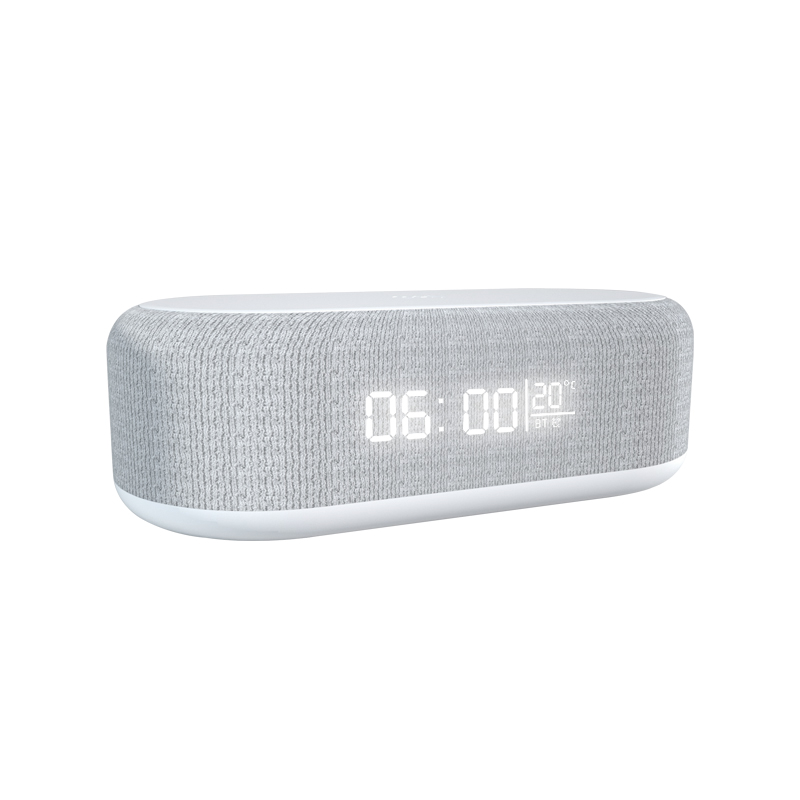
A hotel guest says their portable radio buzzes when placed next to our bedside wireless charger. Is that a fault?
Short answer: Some interference near a wireless charger can occur even when the charger meets EMC requirements. Wireless chargers operate with alternating magnetic fields (commonly around 100–200 kHz for Qi) and switching power supplies, and AM radios in particular are sensitive at nearby frequencies. Move the radio further away, try a different socket or adapter, and check whether it happens only while a phone is charging. If interference is strong at a distance or affects other devices, report it.
Why it happens
Wireless chargers transfer energy through a magnetic field at frequencies typically in the low hundreds of kilohertz. Their power adapters also switch at high frequencies. Products sold in the EU and US must meet EMC limits on emissions, but limits allow some emission at close range. Sensitive receivers very close by, such as AM radios, can still pick up noise.
What users notice
- A buzz or whine on an AM radio, sometimes FM.
- Noise on wired speakers or audio equipment sharing the same power strip.
- Interference only while a phone is charging, or also at idle.
Steps to reduce it
- Move the radio at least an arm’s length away from the charger.
- Plug the charger and radio into different sockets.
- Try a different, good-quality USB-C adapter for the charger.
- Check whether the noise stops when the phone is removed.
- Try FM instead of AM if possible.
When it’s a problem
- Strong interference at a distance of a metre or more.
- Interference with several devices, such as TVs or other radios.
- Noise together with heat or other abnormal behaviour.
Report these with the model and batch code; the unit may be faulty.
Regulatory context
In the EU, wireless chargers fall under the Radio Equipment Directive, with EMC and radio standards including ETSI EN 303 417 for wireless power transfer. In the US, FCC rules apply, with KDB 680106 guidance for wireless power transfer devices. These set limits but don’t guarantee zero interference at very close range.
Speaker-charger combinations
Products combining a speaker and wireless charger are designed so the charger doesn’t affect their own audio. If such a product produces noise while charging, it may be a fault. See our speaker charger troubleshooting topic.
For hotels
Advise guests to keep radios or sound machines a little away from the charger, and include the charger in any complaints log so patterns can be seen.
Where this answer says confirm with Wecent, the detail is not published on the product page and has to come from the datasheet or the factory. General facts come from the standards bodies, regulators or device makers named in the text.
Three more perspectives
Products discussed in this thread
Related articles & topics
Have a sourcing question about your own programme?
Ask our team More Heat, noise & safety signs questions