
Talk · Troubleshooting · Heat, noise & safety signs
Why does an AM radio or Wi-Fi speaker crackle near a charger?
Chargers switch power at high speed and can produce electrical noise that AM radio picks up.
 Wecent Editorial Team
Updated
3 min read
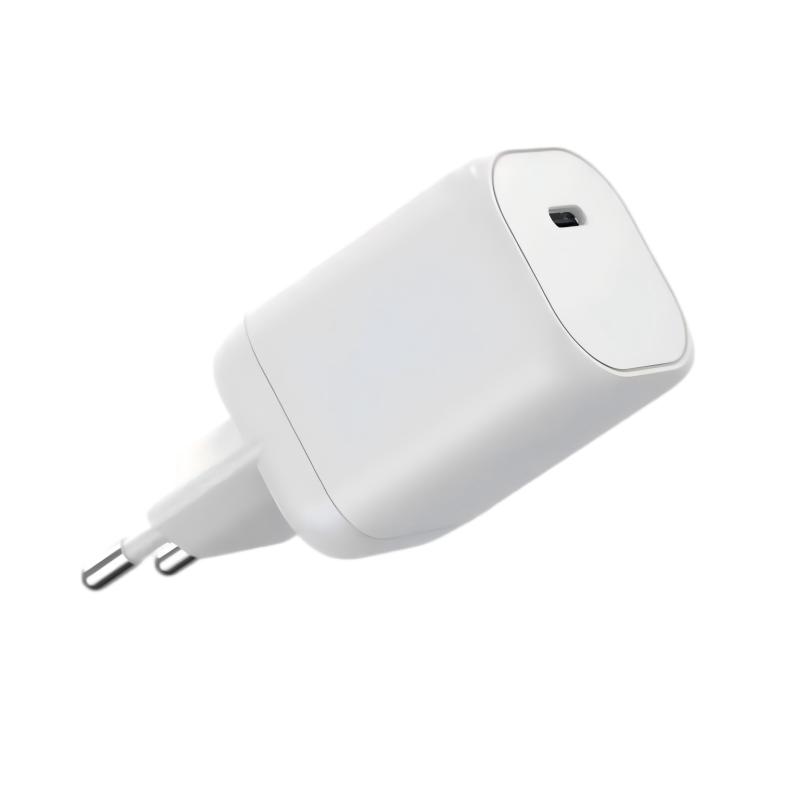
My AM radio crackles whenever a charger is plugged in nearby. Is that normal?
Short answer: Chargers switch power at high speed and can produce electrical noise that AM radio picks up. Some noise is expected, but a loud crackle suggests a poor-quality or faulty charger, or a long cable acting as an antenna. Move the charger or radio apart, try another charger, plug them into different outlets and, if it persists, stop using that charger.
Why it happens
Modern chargers convert mains power using fast switching. The switching can leak noise into the power line and the air. AM radio is especially sensitive to this low-frequency noise. Wi-Fi speakers, Bluetooth devices and audio equipment can also pick up interference, especially from a poor charger.
What is normal
Chargers sold in the US must meet FCC limits for unintentional radiators, and the FCC explains that a device must not cause harmful interference. A well-made charger should create little noise. A small amount of crackle very close to an AM radio may happen, but a loud or constant noise is not typical.
What might be wrong
- Poor quality. A charger without proper filtering, or an uncertified product.
- Damaged charger. Failed parts or damaged shielding.
- A long or unshielded cable that acts as an antenna.
- Too close. The radio’s antenna sits next to the charger.
- The same outlet or strip, so noise passes through the wiring.
- Many chargers together.
- Loose connection, causing sparking noises.
What to try
- Move the charger and radio apart, a metre or more.
- Plug them into different outlets, ideally on different circuits.
- Try another charger from a known brand.
- Use a shorter cable.
- Turn the radio to change the antenna direction.
- Add a ferrite clip to the cable, which can help in some cases.
- Remove extra devices from the power strip.
When to stop
If the noise comes with heat, a burning smell or a buzzing in the charger, unplug it and replace it. If you suspect a product causes harmful interference, the FCC has information for consumers.
For brands
Test emissions with margin, and keep production under control, so that noise does not rise with component changes.
Quick summary
Some noise can be normal at close range. A loud crackle means a poor charger, a bad cable or a fault.
Sources checked on 24 Oct 2026: FCC: Equipment Authorization; eCFR: 47 CFR Part 15 Subpart B Unintentional radiators.
Where this answer says to confirm with Wecent, the detail is not published on the product page and has to come from the datasheet or the factory. General facts come from the regulators, standards bodies or device makers named in the text.
Three more perspectives
Products discussed in this thread


Related articles & topics
Have a sourcing question about your own programme?
Ask our team More Heat, noise & safety signs questions