
Talk · Troubleshooting · Heat, noise & safety signs
What are the warning signs that a charger or cable should be thrown away?
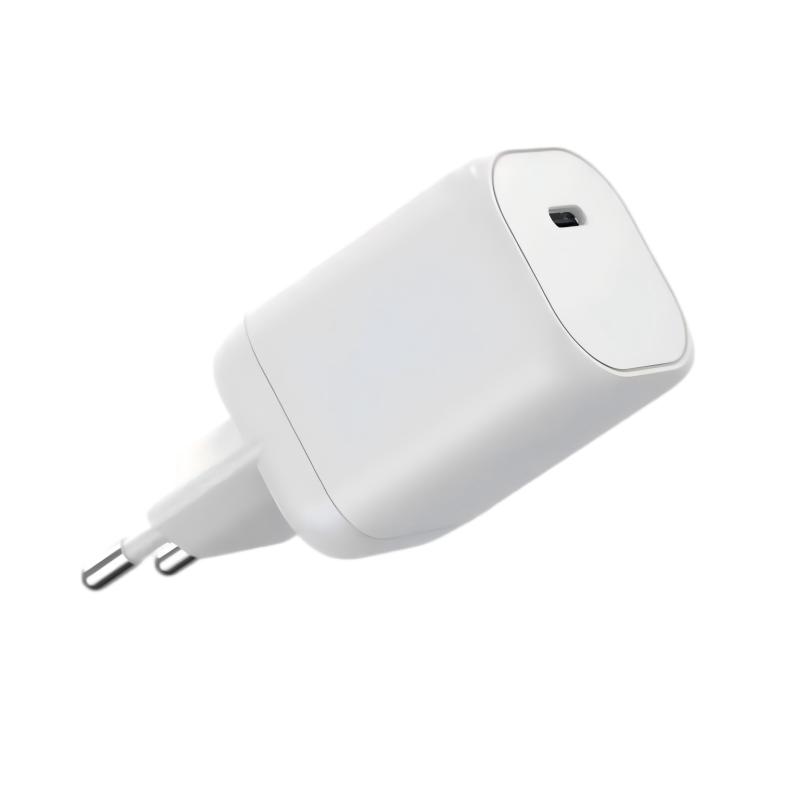
Throw it away if you see exposed wires, cracks, melted or discoloured plastic, bent or loose plug blades, burn marks, a burning smell, sparks, a buzzing sound with heat, or if you ever feel a tingle or shock.
 Wecent Editorial Team
Updated
3 min read
How do I know when a phone charger or cable is no longer safe to use?
Short answer: Throw it away if you see exposed wires, cracks, melted or discoloured plastic, bent or loose plug blades, burn marks, a burning smell, sparks, a buzzing sound with heat, or if you ever feel a tingle or shock. A charger that gets very hot, or a cable that only works when bent, should also be replaced.
Why it matters
A damaged charger or cable can overheat, short-circuit or expose live parts. Replacing it costs little compared with the risk of a fire or an injury.
Signs on the cable
- Frayed, cut or exposed wires, especially near the plugs.
- Kinks and flat spots where the cable has been bent repeatedly.
- Cracked or stiff insulation.
- Discoloured or melted spots from heat.
- A loose or wobbly plug end.
- A cable that only works at certain angles.
- Bent, burnt or corroded contacts in the plug.
Signs on the charger
- Cracks, gaps or a swollen case.
- Burn marks or discolouration, or a melted plastic smell.
- Loose, bent or damaged blades.
- Buzzing, crackling or sparking.
- A very hot surface during normal use, or heat that is increasing over time.
- A tingling or shock when touching the charger or the device.
- Tripping a circuit breaker or GFCI repeatedly.
- Water damage or exposure to liquid.
- Flickering charging that stops and starts for no clear reason.
What to do
- Unplug it, if it is safe to touch. Use a dry hand.
- Do not use it again. Do not repair a charger with tape.
- Check the socket for damage or burn marks. If there are signs, stop using the socket and ask an electrician.
- Replace with a certified product from a reliable seller.
- Dispose of it properly through electronic waste collection.
Preventing problems
- Store cables loosely, not tightly wound or kinked.
- Pull the plug, not the cord.
- Keep chargers in dry, ventilated places.
- Do not charge under pillows or blankets.
- Avoid very cheap, unmarked chargers.
For sellers
Include a short care and replacement guide in the pack, and respond to customers reporting overheating quickly.
Quick summary
Visible damage, heat, smell, noise or shocks are reasons to stop using it.
Quick monthly check
Once a month, look along each cable from end to end and run your thumb over the plug and strain relief. Look at each charger for cracks and discolouration, and feel whether it is hotter than usual after charging. A two-minute check catches most problems before they become dangerous, and it is easy to do for the whole household or office.
Where this answer says to confirm with Wecent, the detail is not published on the product page and has to come from the datasheet or the factory. General facts come from the regulators, standards bodies or device makers named in the text.
Three more perspectives
Products discussed in this thread


Related articles & topics
Have a sourcing question about your own programme?
Ask our team More Heat, noise & safety signs questions