
Talk · Use · Everyday home & office use
What happens when a wireless charger and a cable are connected to the phone at the same time?
The phone chooses one source, usually the cable, and stops or reduces wireless charging. Nothing is damaged, but the wireless charger may keep warming the phone slightly, so it's better to use one method at a time.
 Wecent Editorial Team
Updated
3 min read
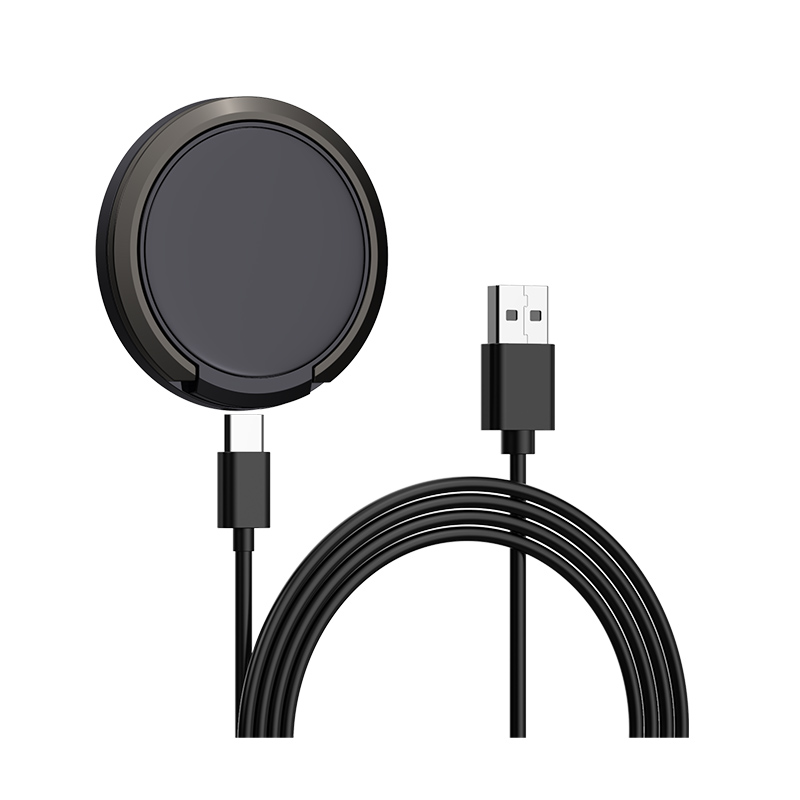
Users sometimes leave their phone on our wireless pad while it’s also plugged into a laptop cable for data. Is that a problem?
Short answer: It’s not harmful in normal use. Phones manage their power inputs and typically prioritise wired charging, stopping or reducing wireless charging when a cable is connected. The phone won’t charge twice as fast. Some phones may switch between sources, and the coil area can stay slightly warm. For lower heat and predictable behaviour, use one charging method at a time.
How phones handle two sources
The phone’s power management controls charging. When a cable charger is connected, most phones charge from the cable and signal the wireless charger to stop or reduce power. Some phones charge from the cable even while the wireless charger stays connected in a standby state.
What users might notice
- The wireless charger’s indicator changes or turns off.
- The phone shows wired charging status.
- The phone may feel slightly warm at the coil area if wireless communication continues.
- Charging speed is the wired speed, not a combined speed.
Data cables to a computer
A cable to a laptop for data transfer usually also supplies some power. The phone may treat it as the charging source, which can be slower than the wireless charger. If the user wants faster charging, they can unplug the cable after the data transfer.
Why one method at a time is better
- Clearer charging behaviour, no switching.
- Less heat from unnecessary wireless coupling.
- Easier troubleshooting if something seems wrong.
Is there any risk?
For a phone designed for both charging methods and chargers that work normally, there’s no specific risk from connecting both. The usual advice applies: don’t use damaged chargers or cables, and stop if anything gets hot, smells or makes noise.
Magnetic accessories and cables
Some users attach magnetic battery packs while the phone is also cabled. The same principle applies: the phone selects a source, and extra heat is the main consideration. Remove the pack if the phone gets warm.
What to tell customers
“Your phone will choose the cable when both are connected. It’s safe, but for less heat, use one method at a time.”
Device-specific behaviour
Behaviour varies by phone maker and model. We can’t confirm how every phone handles this; the phone maker’s documentation is the reference for specific models.
Where this answer says confirm with Wecent, the detail is not published on the product page and has to come from the datasheet or the factory. General facts come from the standards bodies, regulators or device makers named in the text.
Three more perspectives
Products discussed in this thread
Related articles & topics
Have a sourcing question about your own programme?
Ask our team More Everyday home & office use questions