
The first warranty claim usually arrives three to six months after a launch, when the channel has already sold through the first container. By then the process is either agreed or improvised. Deciding it before the first shipment is cheaper than negotiating it while a customer waits for a replacement.
This guide is part of our Programme Execution & After-sales. Read the full topic guide for the decisions that come before and after this step.
Why warranty terms belong in the purchase order
A brochure promise is not a process. The purchase order and its annex should state the warranty period, who handles the end customer, what evidence a claim requires, the replacement or credit mechanism, and the point at which coverage ends. Written terms protect both sides: the factory knows what will be asked, and the brand knows what it can promise its retail customers.
Who owns the end customer relationship
There are two workable models. In the first, the brand handles the consumer and the factory supports with replacement units or credit. In the second, the factory manages the claim directly, which is common in private-label programmes where the brand has no service desk. The second model requires the brand to authorise the factory to speak to its customers, and it requires a written escalation path for claims the factory cannot resolve.
The RMA flow from claim to replacement
A workable flow has five steps: the claim is logged with a unit identifier; the failure is described against defined categories; the factory reviews the evidence and confirms or disputes the defect; a replacement, repair or credit is issued; and the root cause is fed back into production. The value of the flow is not the paperwork but the data: repeated claims in the same category are what trigger a design or process correction.
| Step | Owner | Output |
|---|---|---|
| Claim logged | Brand or distributor | Case number with batch or date code |
| Evidence submitted | Brand | Photos, video, purchase date, failure description |
| Assessment | Factory | Confirmed defect, user damage or inconclusive |
| Resolution | Factory | Replacement unit, credit note or repair |
| Feedback | Factory | Corrective action or monitoring decision |
Evidence a claim must include
- Unit identifier and, where used, the date code or batch reference
- Purchase channel and approximate date
- Photos of the unit and of the failure, taken before any disassembly
- A short description of how the failure appeared and what was connected
- Whether the unit was used with the supplied cable and in the intended conditions
Claims without an identifier cannot be traced, and claims without a description become arguments. Requiring both is not bureaucracy; it is what makes a fast decision possible.
Spare-ratio planning for a launch
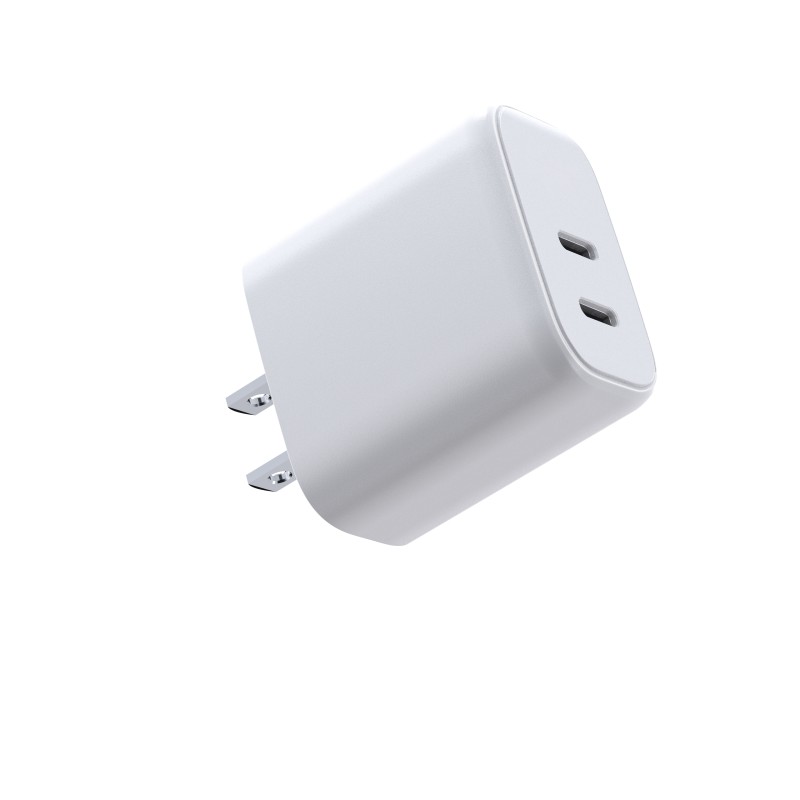
The right spare quantity depends on the channel, the return rate and the cost of a local replacement. A practical approach is to ship a small percentage of the order as spares for the launch period, sized to cover the expected claim rate plus the cost of a second shipment if the rate is worse than expected. For a first order, the spares are less about statistics than about avoiding a six-week replacement cycle in the middle of the season.
Consumables, cables and accessories: covered or not
Cables, adapters and accessories are often excluded from the main warranty or covered for a shorter period. State it explicitly, because the fastest way to lose a retail account is a customer service argument about a cable that the brand assumed was covered and the factory assumed was not.
What voids coverage: the honest exclusions
Typical exclusions include physical damage, liquid ingress, unauthorised repair, use outside the rated electrical conditions, and tampering with labels or serial numbers. These should be listed rather than buried, and they should be consistent with the product’s stated ratings. An exclusion that contradicts the specification is unenforceable in practice and damaging in a dispute.
Turnaround commitments and how to document them
The brief’s commitment is a two-year warranty with a 24-hour complaint response. Whatever commitment applies to your programme, write it as an obligation with a trigger: for example, first response within one business day of a complete claim, and a resolution decision within a stated number of days. Vague targets cannot be measured and therefore cannot be managed.
Field-failure data: what the factory should report back
Ask for a periodic summary: claims by SKU, failure category, batch, and resolution time. This turns warranty from a cost centre into an early-warning system, and it gives the factory the evidence it needs to justify a process change. Where a defect repeats, the 8D process should be triggered rather than handled as another individual claim.
Warranty annex checklist
- Warranty period and start date (invoice or delivery)
- Claim owner and escalation path
- Required evidence and the case-number format
- Spare ratio and replenishment mechanism
- Resolution options: replacement, repair or credit
- Exclusions and their wording
- Response and resolution timelines
- Reporting cadence and defect categories
FAQs
How many spare units should a first charger order include?
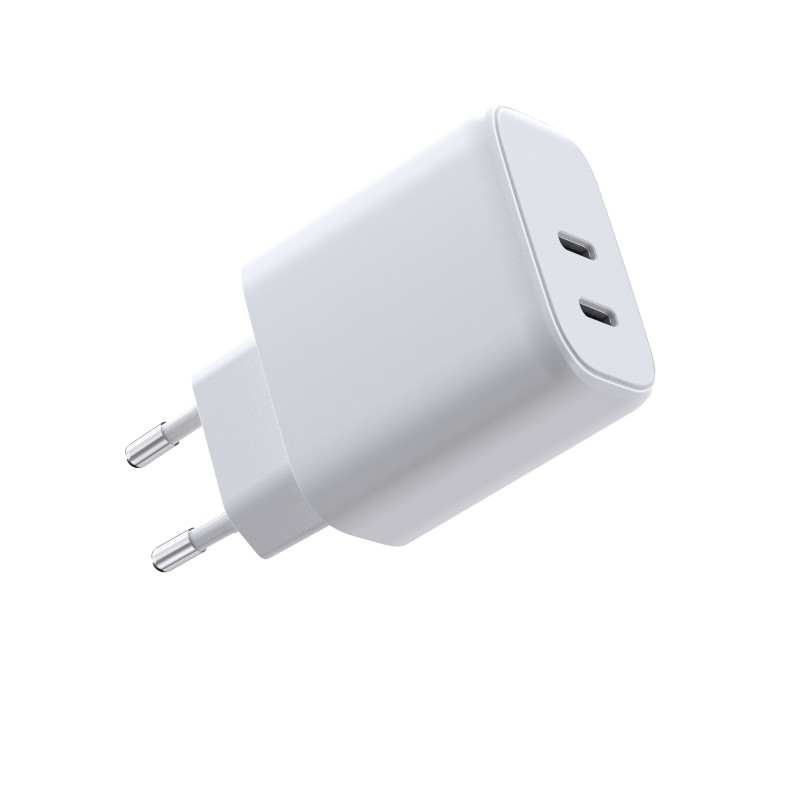
Enough to resolve a normal claim rate without a second shipment. A small percentage of the order for the launch period is typical; the exact figure should reflect the return rate of comparable SKUs and the cost of shipping a replacement.
Who pays return freight on a warranty claim?
That is a commercial term, not a technical one. Many programmes do not return the failed unit at all: the brand scraps it locally and the factory credits or replaces on evidence. Agree the rule before the first shipment.
Does re-badging change the warranty terms?
The terms are negotiated per programme, but the platform’s design and process history remain the basis for the claim rate. A programme built on a platform with field data is easier to insure than a new form with no history.
Next step
Wecent Group agrees warranty and spares terms as part of the order rather than after it, with batch traceability behind every claim. Send your channel model and expected volumes to the contact page. Related reading: batch traceability, 8D defect handling, quality control and payment terms. External references: ISO 9001, AIAG quality standards, ISO 2859-1 sampling, GS1 identification standards, IEC standards and EU CE marking.
More on this topic: wireless charger manufacturing and charger adapters from 20W to 240W, wireless charging on phones.