
Talk · Compliance · US & Canada rules
Do wireless chargers go under FCC Part 15 or Part 18 in the US?
It depends on the design. The FCC's guidance on wireless power transfer (KDB 680106) explains when each applies. Your test lab should decide the route with you.
 Wecent Editorial Team
Updated
3 min read
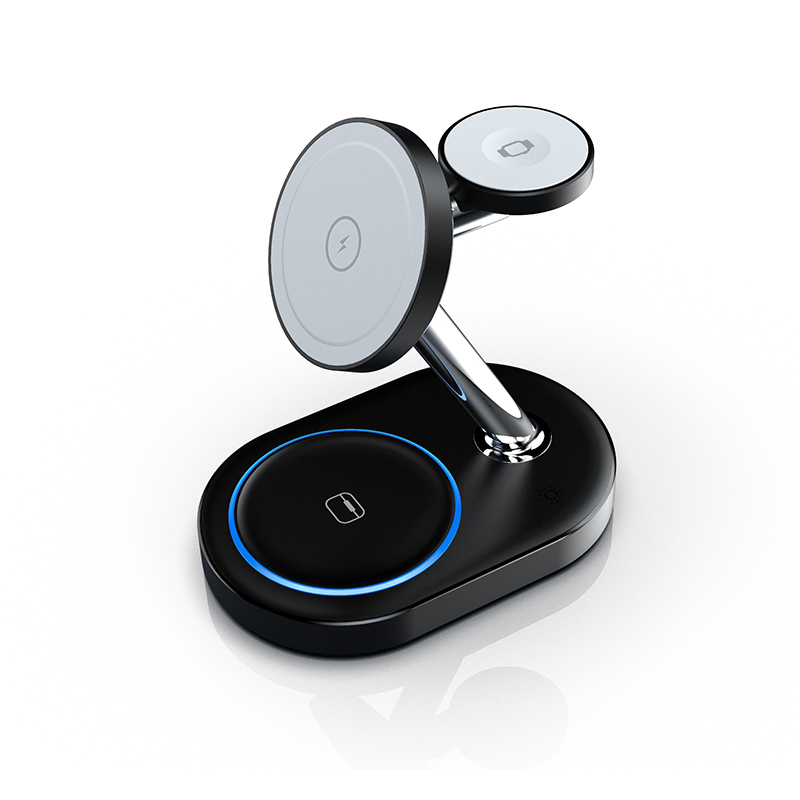
We want to sell a 3-in-1 wireless charger in the US. One lab mentioned Part 15 and another mentioned Part 18. Which one applies, and what should we ask our supplier for?
Short answer: Both are possible for wireless chargers, depending on the design and how the device uses radio frequency energy. The FCC’s guidance for wireless power transfer devices (KDB 680106) explains how to determine the route, including RF exposure. Ask the supplier for the existing FCC authorisation or reports and the rule part used, and have a US-accredited lab confirm it for your exact model.
The two rule parts in brief
- Part 15 covers radio-frequency devices, including intentional radiators that use RF for communication.
- Part 18 covers industrial, scientific and medical (ISM) equipment that uses RF energy for purposes other than communication, such as heating or power transfer.
Wireless chargers transfer power, and many also exchange data with the phone. The FCC’s KDB 680106 guidance discusses how wireless power transfer devices are handled. It also sets out RF exposure considerations that often need evaluating whatever the rule part.
Why labs may disagree
Designs differ in operating frequency, power, communication method and how close the device sits to users. Some labs consult the FCC through a KDB inquiry for unusual designs. The answer can differ between a simple pad and a multi-coil 3-in-1 with a watch module.
What to ask your supplier
- Whether the model already has an FCC ID or a Supplier’s Declaration of Conformity (SDoC), and under which part.
- The test reports, including the RF exposure evaluation.
- Whether the reports cover all functions in your version: every charging coil, plus any speaker, Bluetooth or clock.
- Whether you can use the existing authorisation under your brand, or need a new one.
Timing
If new testing is needed, plan several weeks for testing and authorisation. Build that time in before you commit to a US launch date, and don’t import stock for sale before the authorisation is in place.
Labels and manuals
US rules require specific FCC statements in the manual and, for authorised devices, an FCC ID on the label or electronically where allowed. The exact text depends on the route.
What this article doesn’t decide
We don’t say which part applies to Wecent’s Y302 or other models; that depends on the reports. Confirm the route with Wecent and your US lab. Safety certification (NRTL listing) is separate from FCC rules, as is the Qi2 certification.
Where this answer says confirm with Wecent, the detail is not published on the product page and has to come from the datasheet or the factory. General facts come from the standards bodies, regulators or device makers named in the text.
Three more perspectives
Products discussed in this thread
Related articles & topics
Have a sourcing question about your own programme?
Ask our team More US & Canada rules questions