
Talk · Selection · Wireless, magnetic & multi-device
Should a power bank in our range support Qi2 magnetic charging?
Qi2 adds WPC-certified magnetic alignment and interoperability, which matters for iPhones and a growing number of Android phones. It costs more and needs certification. A magnetic power bank without Qi2 can still sell, but can't use the Qi2 name.
 Wecent Editorial Team
Updated
3 min read
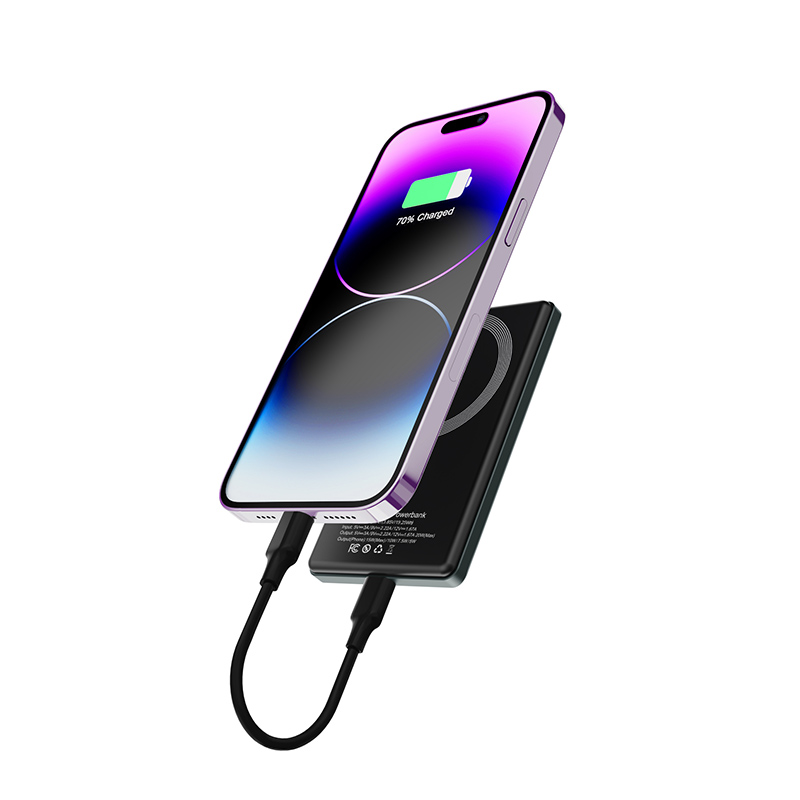
Our magnetic power bank works with iPhones, but competitors now advertise Qi2. Should our next power bank be Qi2 certified?
Short answer: If your customers mainly use recent iPhones or Qi2 Android phones and you want to use the Qi2 name, certification is worth considering. Qi2 is the Wireless Power Consortium’s standard based on the Magnetic Power Profile (MPP); certified products have passed WPC testing for alignment, interoperability and safety features. It costs more and adds lead time. A non-certified magnetic power bank can still sell, but must not be marketed as Qi2.
What Qi2 adds
- Standardised magnets: the Magnetic Power Profile defines magnet alignment, so certified accessories align consistently.
- Interoperability: WPC testing checks that certified products work with certified phones.
- Power: Qi2 charging commonly delivers up to 15W on supported phones, with newer versions of the specification raising this for some devices.
- Naming: only certified products may use the Qi2 name and logo.
Phone support
iPhone 13 and later support Qi2 charging after the relevant iOS updates, and some Android phones support Qi2 with built-in magnets. Others are “Qi2 Ready”, supporting Qi2 charging with a magnetic case. Many phones still use standard Qi without magnets.
Costs and timing
- Certified components and modules.
- WPC testing and certification fees.
- Additional development and approval time.
Ask Wecent whether a Qi2-certified version exists or is planned for the power bank, and its expected cost and timing.
Battery and heat
A power bank charging a phone wirelessly generates heat in both devices. Higher wireless power means more heat. Qi2 doesn’t remove this physics; good thermal design still matters.
If you don’t certify
A magnetic power bank with Qi-based charging can be marketed as “magnetic wireless power bank” with compatibility described accurately. It must not use “Qi2”, “Qi2 compatible” or the Qi2 logo without certification. Also avoid implying Apple MagSafe certification.
Decision guide
- Premium range, iPhone-heavy customers: Qi2 certification is a clear selling point.
- Value range: non-certified magnetic power bank, priced accordingly.
- Retail with strict claims checks: certification simplifies listing reviews.
Verify certification
Certified products appear in the WPC’s product database. Check that the exact model is listed before using the claim.
Don’t forget battery compliance
Qi2 certification covers wireless charging; battery transport and safety requirements (UN38.3, IEC 62133-2, battery regulations) still apply separately.
Where this answer says confirm with Wecent, the detail is not published on the product page and has to come from the datasheet or the factory. General facts come from the standards bodies, regulators or device makers named in the text.
Three more perspectives
Products discussed in this thread
Related articles & topics
Have a sourcing question about your own programme?
Ask our team More Wireless, magnetic & multi-device questions